The biggest mistake people make with a ribeye roast is treating it like a giant steak. They crank the oven too hot, guess at the timing, slice it right away, and wonder why the middle is dry while the outside is gray. Learning how to cook ribeye roast in oven is mostly about controlling heat and using a thermometer instead of a clock. Do that, and you can put a beautiful roast on the table without turning Saturday dinner into a fire drill.
What You Need Before the Oven
For four to six people, buy a 3- to 4-pound boneless ribeye roast. A bone-in roast works too, but it needs a little more room and can take longer. Look for even marbling and a reasonably consistent shape. A tapered end cooks faster than the thick center, so tuck or tie it with kitchen twine if necessary.
Take the roast out of its packaging one to two hours before cooking. Pat it dry with paper towels. Moisture on the surface has to evaporate before browning starts, and a wet roast spends those first oven minutes steaming. Rub it with 1 to 1 1/2 tablespoons of kosher salt, plenty of cracked black pepper, and a light coating of neutral oil. Garlic powder, onion powder, and chopped rosemary are good additions, but the beef should still be the main event.
If you have time, salt the roast the night before and leave it uncovered on a rack in the refrigerator. That dry-brining step seasons the center more thoroughly and dries the exterior for better browning. If dinner is tomorrow at 6, season it tonight, then let it sit on the counter before cooking.
How to Cook Ribeye Roast in Oven Using Two Temperatures
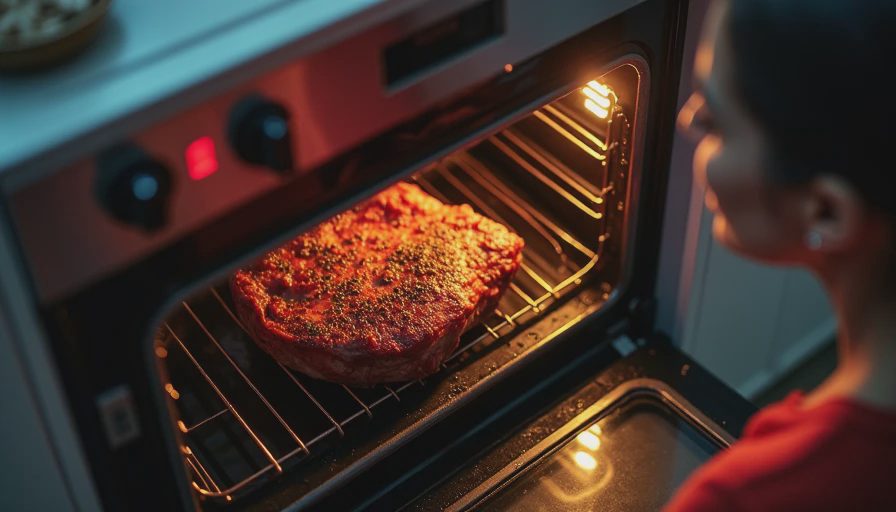
My preferred method starts hot and finishes gently. Preheat the oven to 450 F. Set the roast fat-side up on a rack in a roasting pan or a sturdy rimmed sheet pan. Insert a leave-in probe thermometer into the thickest part, avoiding the fat seam and the pan.
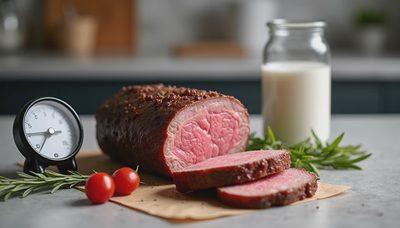
Roast at 450 F for 15 minutes. Then reduce the oven to 325 F without opening the door for more than a few seconds. Continue cooking until the center reaches 120 to 125 F for medium-rare, 130 to 135 F for medium, or 140 to 145 F for medium-well. The roast will rise another 5 to 10 degrees while resting.
For a 3- to 4-pound roast, the total cooking time is often 60 to 90 minutes, but that is only a planning range. Shape, starting temperature, and your oven all matter. If you are figuring out how to cook ribeye roast in oven for a holiday meal, trust the thermometer over the recipe timer. A roast that finishes early can rest for 30 to 45 minutes and still be excellent.
If you do not own a leave-in probe, check the center with an instant-read thermometer after about 55 minutes. Insert it from the side so the tip lands in the middle. Checking through the top can give you a false reading if the probe passes through a warmer outer layer.
Temperature, Timing, and the Resting Step
Temperature is where a good roast separates from an expensive disappointment. Pulling the meat at 125 F does not mean it is cold or undercooked; it means carryover heat has room to finish the job. The final center temperature will continue climbing as heat moves inward.
Once the roast reaches your target pull temperature, move it to a cutting board and loosely tent it with foil. Do not wrap it tightly. Tight foil traps steam and softens the crust you worked to build. Rest at least 20 minutes for a small roast and closer to 30 minutes for one around 4 pounds.
Resting also keeps the cutting board from turning into a puddle. Cut immediately and the juices run out; wait, and more stay in the meat. This is one of the least glamorous parts of learning how to cook ribeye roast in oven, but it is also one of the steps that makes the biggest difference.
Slicing and Building the Pan Sauce
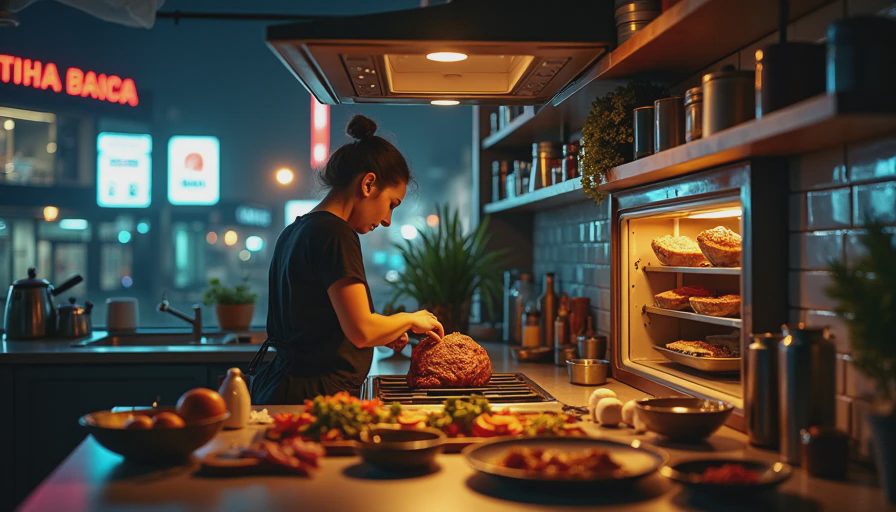
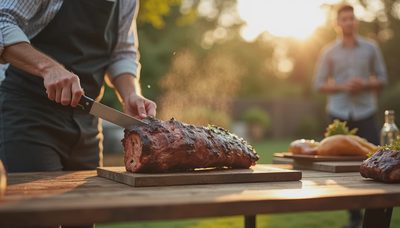
After resting, remove the twine and inspect the grain. Slice across it into pieces about 1/2 inch thick. Thin slices are useful if you are feeding children or making sandwiches the next day, while thicker slices feel right for a steakhouse-style plate. Use a long, sharp knife and let the blade do the work instead of sawing back and forth.
For an easy pan sauce, pour off excess fat but leave the browned bits. Put the pan over medium heat if it is stovetop-safe, or scrape the drippings into a saucepan. Add 1 cup of beef stock and simmer while scraping the bottom. A teaspoon of Dijon mustard or a splash of Worcestershire sauce adds depth. Reduce until it tastes concentrated, then whisk in a tablespoon of cold butter off the heat.
Creamed horseradish, roasted potatoes, and green beans are dependable sides. At my house, Kate usually handles the potatoes while June counts the slices and Sam tries to claim the end piece. That arrangement works better than pretending everyone wants the same thickness.
Common Mistakes That Dry Out the Roast
The first mistake is cooking by pounds alone. “Twenty minutes per pound” sounds convenient, but ovens and roast shapes vary too much for that rule to finish dinner reliably. Use time to plan, not to decide when the beef is done.
The second mistake is skipping the preheat. A 325 F oven that is still climbing can leave the roast pale and force you to cook longer. Give the oven at least 20 minutes to reach temperature, especially if it has a slow heating element.
Another problem is excessive trimming. Ribeye gets its character from marbling, so remove only thick, hard exterior fat. A thin fat cap protects the roast and bastes the surface as it cooks. Also avoid repeatedly opening the oven. Every peek releases heat and extends the cooking time.
Finally, do not carve the whole roast just because dinner is ready. Slice what you need and keep the remaining piece intact. The leftovers stay juicier and make excellent steak sandwiches with toasted rolls, melted provolone, and a little of that pan sauce.
A Simple Game-Day Cooking Plan
If kickoff is at 5:30 and you want to eat at 6, season the roast the night before. Set it out around 3:45, preheat the oven at 4:15, and start roasting by 4:35. At 4:50, lower the oven to 325 F. Begin checking temperature around 5:25, but let the thermometer make the call. A roast pulled at 5:30 can rest while you finish potatoes and pour drinks.
That schedule is why I like this method for football weekends and family gatherings. It does not demand constant attention, and it leaves enough room for a late guest or a child who needs help finding a missing cleat. Knowing how to cook ribeye roast in oven means the main dish can be calm even when the rest of the house is not.
When you want a richer crust, brush the roast with pan juices during the final 10 minutes, but do not baste constantly. For a stronger beef flavor, serve the slices with flaky salt at the table rather than oversalting the roast before it cooks. Good smoke. Good sweets. Good people. And when the weather keeps you indoors, a properly roasted ribeye is a pretty good substitute for firing up the backyard.

No notes yet — write the first one.