The first time I tried brisket, I treated the smoker like an oven and wondered why the meat came out dry enough to patch a fence. The science of great barbecue and grilling starts with accepting that fire, air, moisture, and time all work together. Once you understand those four things, you can cook better food on a $300 kettle, a basic gas grill, or my grandfather's temperamental offset, Old Hoss.
This is not about buying a $3,000 cooker or memorizing competition tricks. It is about knowing why meat browns, why smoke turns bitter, why a steak needs a hot grate, and why brisket can sit wrapped in a cooler for hours without getting cold. Good barbecue is less mysterious than it looks. It is mostly controlled heat and paying attention before a small mistake becomes a ruined dinner.
Heat Is the First Ingredient
My most common mistake is running the cooker too hot. A fire that climbs from 250 to 350 degrees Fahrenheit can push a brisket from tender to dry long before you notice. For large cuts such as brisket and pork shoulder, I usually aim for 225 to 275 degrees at the cooking grate. That range gives connective tissue time to soften while the outside develops a dark crust.
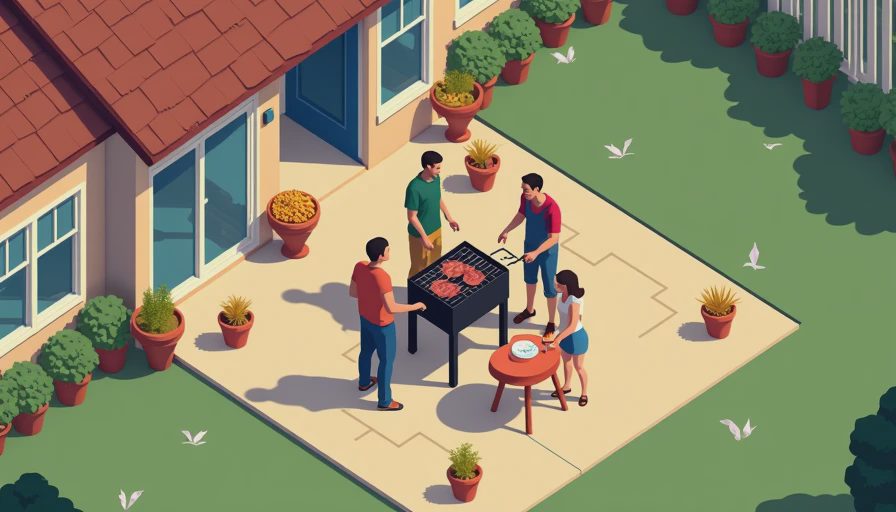
Grilling is a different job. Burgers, thin pork chops, and steaks need direct heat, often between 400 and 500 degrees. A two-zone fire is the backyard cook's best friend: pile coals on one side, leave the other side cooler, and move food when the exterior browns before the center is ready. On a gas grill, light one or two burners and leave a safety zone.
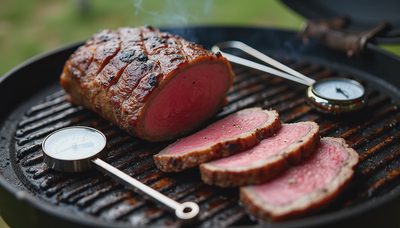
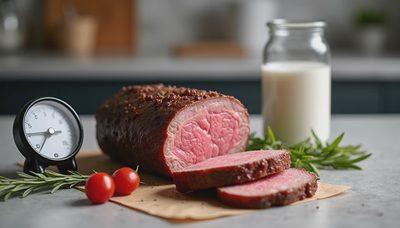
A thermometer at the grate tells you more than the dial on the lid. Lid gauges can read 30 to 75 degrees differently from the cooking surface, especially on small charcoal grills. Put a probe near the food, not directly over the fire, and you will stop guessing.

Smoke Should Taste Like Wood, Not an Ashtray
The science of great barbecue and grilling includes smoke chemistry, but you do not need a laboratory to get it right. Clean smoke is thin and faintly blue or nearly invisible. Dirty smoke is thick, gray, and sharp-smelling. That heavy smoke can leave brisket bitter, coat chicken skin with soot, and make the patio smell like a tire fire.
Use dry, seasoned hardwood. Oak is steady and forgiving, which is why I use it most often for brisket. Hickory brings a stronger bacon-like flavor, while pecan is gentler and works nicely with pork and chicken. Mesquite burns hot and fast; I use a small amount instead of filling the firebox with it.
Do not soak wood chunks in water. The water delays ignition and creates steam before the wood actually burns. On a charcoal kettle, two or three fist-sized chunks are usually plenty for a cook lasting several hours. More smoke does not mean more flavor. Once the surface of the meat dries and darkens, additional smoke mostly increases the chance of bitterness.
Browning, Salt, and the Surface of the Meat
The browned crust on a steak or pork butt comes largely from the Maillard reaction, which happens when heat transforms proteins and sugars on a dry surface. That is why wet meat steams instead of browning well. Pat steaks and chicken dry with paper towels, then season them before they hit the grate.
Salt deserves time. A steak seasoned 30 to 60 minutes ahead can develop better flavor throughout the outer layer. For a brisket, I keep the rub simple: kosher salt, coarse black pepper, and sometimes a little granulated garlic. A common starting point is roughly equal parts salt and pepper by volume, adjusted for the size of the crystals and your taste.
Sugar needs care. Brown sugar helps ribs and pork develop color, but it can burn over direct heat above about 350 degrees. If I am grilling chicken thighs hot, I use little or no sugar in the rub. If I am smoking ribs at 250 degrees, a small amount works well during the final stages.
The Stall Is Not a Cooking Emergency
The science of great barbecue and grilling gets especially useful around the stall. A brisket or pork shoulder may sit near 150 to 170 degrees for hours as moisture evaporates from the surface. That evaporation cools the meat, much like sweat cools your skin. It feels like the cook has stopped, but the heat is still doing its job.
You can wait through the stall, or wrap the meat in unwaxed butcher paper or foil. Wrapping speeds the cook by reducing evaporation, though the bark will soften. I usually leave brisket unwrapped until the bark looks dark and dry, then wrap it if dinner timing requires help. The finish line is tenderness, not a magic number. Start checking with a probe around 195 degrees; it should slide into the flat with little resistance.
Chicken is less forgiving because safe doneness and juicy texture overlap in a narrower window. Cook breasts and thighs to at least 165 degrees measured in the thickest part. Thighs often improve at 175 to 185 degrees because their connective tissue needs more time, while breasts can dry if pushed far beyond their target.
Resting Is Part of Cooking
I once sliced a pork loin five minutes after it came off the grill because everyone was hungry. The cutting board filled with juice, and the meat itself tasted drier than it should have. Resting allows heat and moisture to redistribute. It does not magically put liquid back into meat that was overcooked, but it prevents a good cook from losing its juices on the board.
Small steaks can rest for five to ten minutes. A whole chicken needs about 15 to 20 minutes. Pork shoulder and brisket can rest for one to four hours when wrapped and held in an insulated cooler with towels. Keep the meat above 140 degrees for food safety, and use a thermometer if the hold becomes extended.
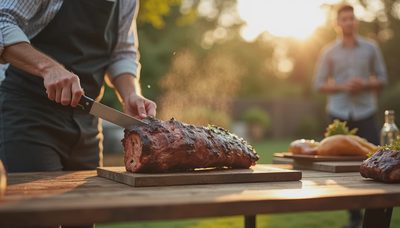
Slice brisket across the grain. The grain can change direction between the flat and point, so look closely before cutting. Use a sharp knife and make slices about the width of a pencil. Thick slices can seem chewy even when the brisket is tender; thin slices can fall apart. This is one place where technique matters as much as the fire.
A Saturday Method That Actually Works
The science of great barbecue and grilling becomes manageable when the cook is planned backward from dinner. For a 12-pound brisket, I start the night before with trimming and seasoning, light the smoker around 6 AM, and expect the meat to take eight to twelve hours depending on thickness and pit temperature. I build in at least two hours for resting instead of scheduling the slice for the exact minute the brisket reaches temperature.
For ribs, I start about five hours before serving, keeping the cooker near 250 degrees and checking tenderness rather than blindly following a clock. Chicken thighs can be on the table in 45 to 60 minutes if the grill is hot and arranged for two-zone cooking. Burgers need only a few minutes per side, but I still use a thermometer instead of cutting one open.
Write down what happened. Record the weather, grate temperature, wood, wrapping time, and final texture. My notes include plenty of failures: brisket cooked too hot, ribs wrapped too early, and chicken skin that turned rubbery. Those notes are more useful than a perfect recipe because they tell me what to change next weekend.
The Practical Takeaway
The science of great barbecue and grilling is not about making food complicated. Keep the fire steady, use clean smoke, dry the surface, season with intention, and give large cuts enough time to become tender. Use direct heat for fast browning and indirect heat for food that needs patience. Trust a probe thermometer, but trust your hands and eyes too.
That is how dinner gets better without turning Saturday into a laboratory. Kate can finish a pecan pie, June can measure the sugar, Sam can supervise the smoke, and I can watch the Longhorns without checking a brisket every seven minutes. Good smoke. Good sweets. Good people.
No notes yet — write the first one.