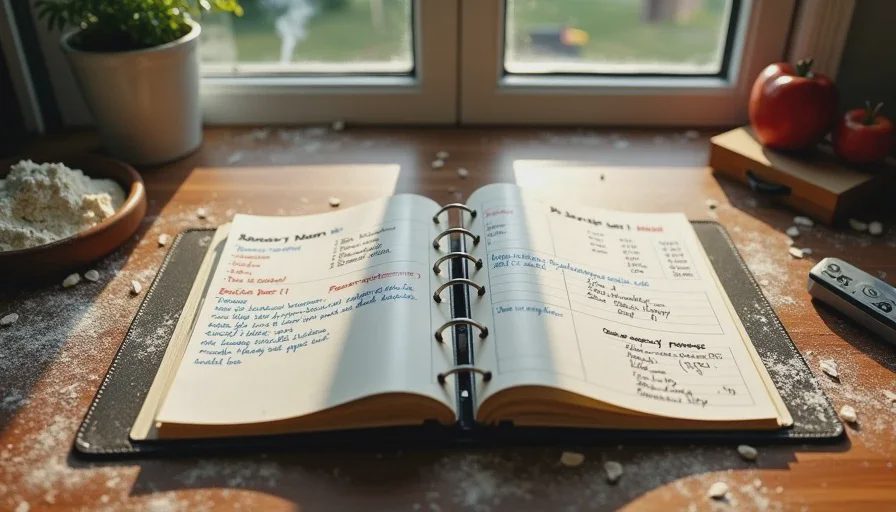
Running a barbecue + baking blog from Lockhart, Texas means I've had a lot of Saturdays to get things wrong. Fifty-plus cooks on the offset smoker and the kitchen oven, and I've got the margin notes to prove every mistake. This barbecue + baking blog started because I wanted to write down what I learned the hard way so other people wouldn't have to. After enough Saturday cooks to fill a flour-dusted binder — Mom's recipe cards on one side, my probe logs and timing charts on the other — four rules have emerged as the only ones that actually matter. Everything else is technique, and technique comes with practice. These four rules come from failure.
Rule 1: Temperature Over Time
Cook to Temp, Not to the Clock
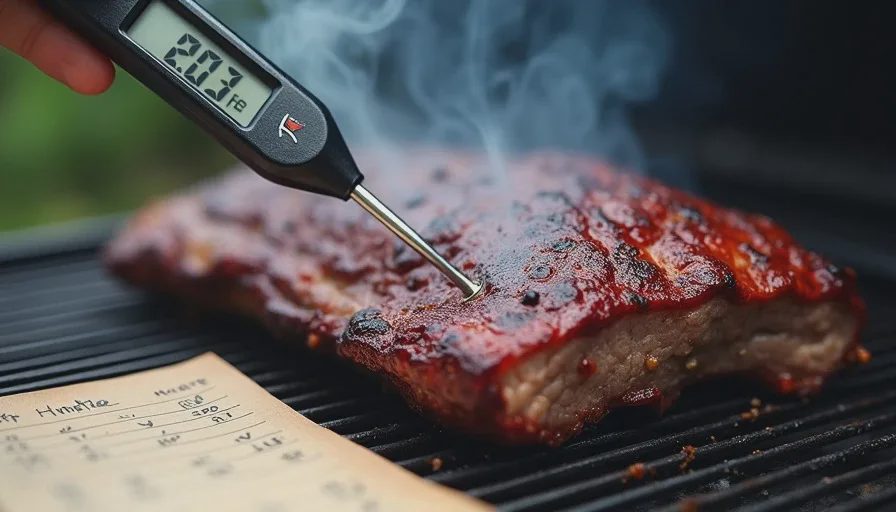
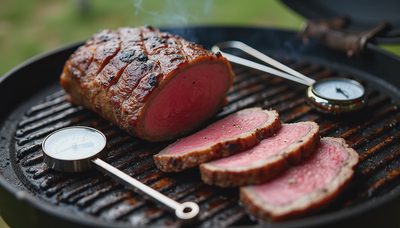
The first rule I ever wrote in the binder, and the one I violated the most before it stuck. A Texas brisket recipe for beginners usually says "smoke for 12 hours" or "cook for 1.5 hours per pound." That's wrong. Cook to temperature. Brisket is done when the internal temp hits 203°F and the probe slides in like warm butter — whether that takes 10 hours or 16. I pulled a brisket at exactly 12 hours once because the recipe said 12 hours. It was tough as a boot. The temp was only 185°F. I served it anyway and told people it was "a leaner cut." Nobody believed me.
The Failure That Taught It
That brisket was my third Saturday cook. I was so focused on the clock that I ignored the probe thermometer reading. The clock is a suggestion. The thermometer is the truth. Every entry in my binder now has a target temp, not a target time. On a barbecue + baking blog like this one, that's the first thing I want beginners to understand — time is a rough guide, temperature is the answer.
Rule 2: Rest Is Not Optional
Rest Meat As Long As You Cooked It
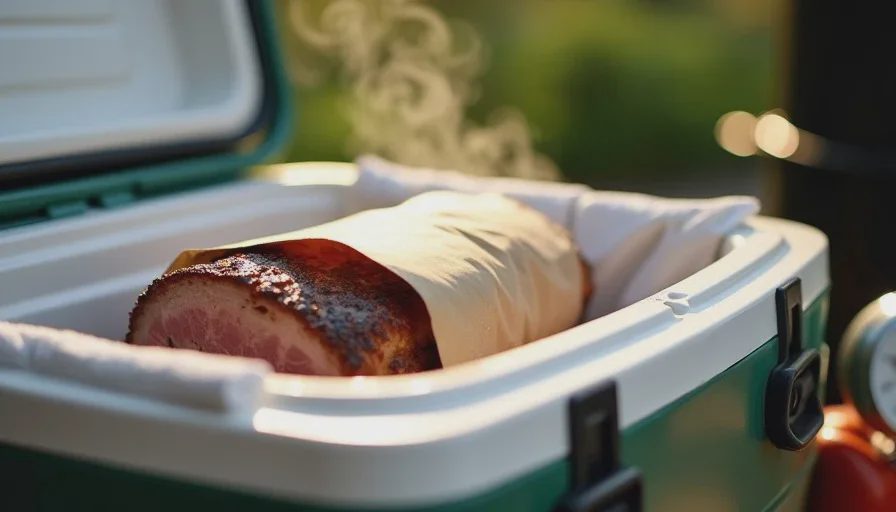
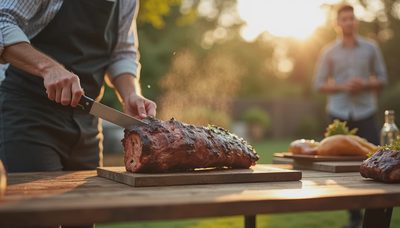
The second rule came from a brisket that was technically done and immediately sliced. Juice everywhere — on the cutting board, on the counter, on my boots. The meat was dry within ten minutes. Resting isn't a suggestion or a luxury. Rest a brisket for at least an hour in a warm cooler wrapped in towels, and ideally closer to the time it spent on the smoker. If it smoked for 12 hours, rest it for 2 to 4 hours minimum. The juice redistributes. The temperature equalizes. The brisket goes from "technically done" to "actually good."
The Failure That Taught It
I cooked a brisket for 14 hours, pulled it at 203°F, and sliced it immediately because people were hungry. It was the juiciest brisket I ever made — for about ninety seconds. Then all the juice ran out onto the board and the meat turned dry. I stood there looking at a $70 brisket that I'd ruined in the last five minutes by not resting it. That failure went in the binder in red ink. On this Lockhart BBQ blog, I talk about that brisket more than any success, because it's the one that changed how I cook. A barbecue + baking blog that doesn't talk about resting meat is lying to you — rest is where the cook finishes.
Rule 3: Write Everything Down
The Binder Is the Artifact of Learning
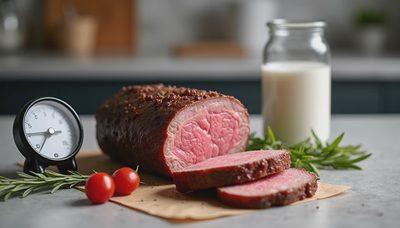
If there's one piece of advice from this barbecue + baking blog that costs you nothing, it's this: write everything down. I keep a flour-dusted binder on the kitchen counter. Mom's handwritten pie crust and kolache recipe cards are in there. My brisket timing charts are in there. Probe logs from every cook — temps every 30 minutes, fuel used, weather, what went wrong, what went right. The binder is the artifact of everything I've learned. When a cook goes bad, I go back to the binder and find the last time something similar happened. When a cook goes well, I write down what I did so I can repeat it.
The Failure That Taught It
I cooked the same brisket three Saturdays in a row and got three different results. I couldn't figure out why because I hadn't written anything down from the first two cooks. Was it the wood? The temp? The wind? I had no idea. After that, I started logging everything. The third cook with notes was the last time I repeated a mistake without knowing why.
Rule 4: Feed the People Who Showed Up
Saturday Is for Family, Not for Judges
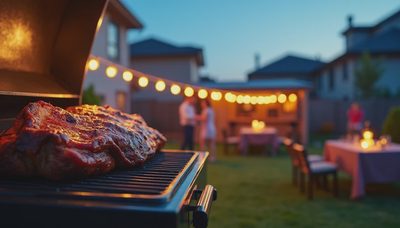
The fourth rule is the one that took me the longest to learn, and it's the most important. Cooking to impress judges is for competitions. Saturday is for family. I've spent entire Saturdays obsessing over bark formation and smoke ring depth while Kate and the kids waited to eat. I've sent people home hungry because the brisket wasn't "ready" by my standards. That's not what this is about. A slightly overcooked brisket shared with your family and neighbors is worth more than a technically flawless one served alone. Feed the people who showed up. The rest is ego.
The Failure That Taught It
A neighbor walked over with a six-pack during a cook and I was so focused on the brisket that I barely talked to him. He sat in a lawn chair for an hour, drank his beer, and left before the food was ready. I realized later I'd treated a Saturday afternoon like a competition cook-off instead of what it was — a chance to sit with someone who walked over to see me. That went in the binder too.
The 4 Rules Summary
Here's the table I keep taped inside the binder cover. Four rules, the failure that taught each one, and the result when you follow them:
Rule | What It Means | The Failure That Taught It | Result When Followed |
|---|---|---|---|
1. Temperature over time | Cook to internal temp, not to clock | Pulled brisket at 12 hours, temp was 185°F, tough as a boot | Meat is done when it's done |
2. Rest is not optional | Rest meat as long as you cooked it | Sliced immediately, juice ran everywhere, dry in minutes | Juicy, evenly cooked meat |
3. Write everything down | Log temps, fuel, weather, results | Three different briskets, no notes, no idea why | Repeatable, improvable cooks |
4. Feed the people who showed up | Saturday is for family, not judges | Neighbor sat alone for an hour, left before food was ready | Food shared with people who matter |
Common Saturday Mistakes
These are the mistakes I see most often, from my own binder and from neighbors who ask me to look at their fire:
Trusting the clock over the thermometer — the most common cause of dry or tough meat
Slicing immediately after pulling — rest your meat, always, no exceptions
Running the firebox too hot — 250°F is plenty, 300°F is not "faster," it's worse
Not writing anything down — if you don't log it, you can't fix it
Opening the lid too often — you're not checking, you're letting heat out
Trying to cook for judges on a family Saturday — feed your people first
Skipping the rest to "keep things moving" — the rest is the cook's last job
Using untested products someone recommended online — if I haven't used it on a Saturday, I won't recommend it here
Looking Forward to the Next 50
Fifty Saturday cooks taught me four rules and a hundred ways to ruin a brisket. The binder is thicker now than when it started, and it'll be thicker after the next fifty. A Texas brisket recipe for beginners could fit on a single page: cook to 203°F, rest for hours, write it down, feed your people. Everything else is detail that fills in with practice. This Lockhart BBQ blog exists because I want the next person lighting their firebox at 6 AM to skip a few of the mistakes I made — and maybe add a few new ones to the binder that I haven't thought of yet. The next fifty Saturdays are going to be better than the last fifty, because the binder remembers what my confidence forgets. Good smoke. Good sweets. Good people.
No notes yet — write the first one.