The first time I made brown butter cookies, I treated the pan like it was just another step and walked away. Ten minutes later, the milk solids were black, the kitchen smelled like a campfire, and June asked if dessert was supposed to taste smoky. That mistake taught me the main rule for desserts using butter: butter rewards attention. Used at the right temperature, it brings flavor, tenderness, crisp edges, and flaky layers to the table without requiring fancy equipment.
Why butter makes such good desserts
Butter is doing several jobs at once. Its fat tenderizes flour, its water creates steam in pastry, and its milk solids add a toasted, nutty flavor when browned. That is why desserts using butter can range from delicate shortbread to sturdy skillet cobbler. The trick is matching the butter's condition to the recipe.
Cold butter is the workhorse for pie crust, biscuits, and crumble topping. Small pieces stay separate in the dough, then release steam in a hot oven. Soft butter is better for creaming with sugar in cookies and cakes. It should dent when pressed but not look shiny or greasy. Melted butter gives brownies a dense texture and makes quick breads easy, but it will not trap air the way softened butter does.
I use unsalted butter most of the time because it gives me control over salt. If salted butter is what you have, reduce the added salt slightly and keep moving. A standard 8-ounce stick contains 8 tablespoons, which makes most home recipes easy to scale.
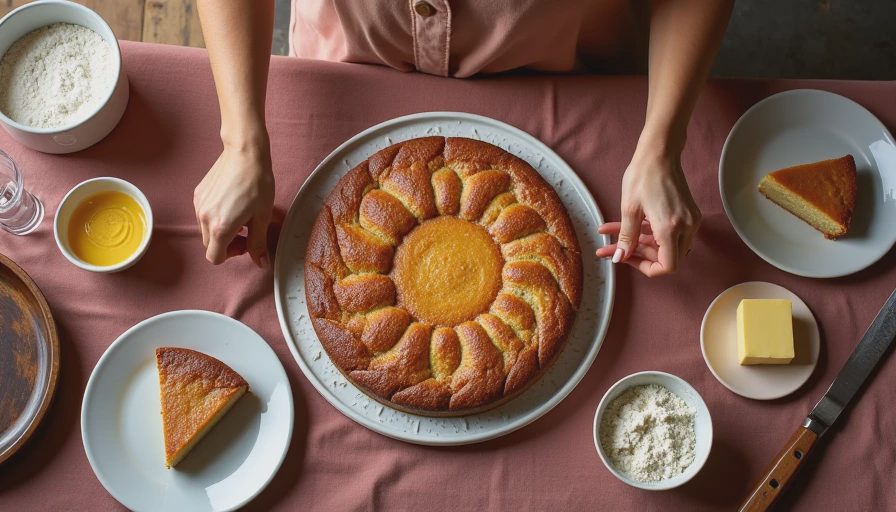
Three reliable desserts using butter
Start with a skillet apple crisp when you need something forgiving. Toss six sliced apples with 2 tablespoons sugar, 1 tablespoon flour, cinnamon, and a squeeze of lemon. Mix 1 cup oats, 3/4 cup flour, 1/2 cup brown sugar, and 6 tablespoons cold butter until crumbly. Bake in a 375°F oven for 35 to 45 minutes, until the fruit bubbles and the topping is browned. A cast-iron skillet holds heat well, but a regular baking dish works too.
For cookies, cream 1 cup softened butter with 3/4 cup brown sugar and 1/2 cup white sugar for about three minutes. Add two eggs and vanilla, then mix in 2 1/2 cups flour, baking soda, and salt. Chill the dough for at least 30 minutes. Bake at 350°F for 10 to 12 minutes. Pull them when the centers look slightly underdone; they finish setting on the sheet.
For a simple dessert using butter that feels special, make a brown butter pound cake. Melt 1 cup butter over medium heat until golden flecks form and the aroma turns nutty, then cool it until barely warm. Cream it with sugar, add eggs one at a time, and fold in flour and sour cream. Bake in a loaf pan at 325°F for roughly 55 minutes. Do not pour hot butter directly onto eggs unless scrambled cake is your goal.
The mistakes that ruin the batch
The biggest failure is using the wrong butter temperature. Cold butter in a cookie recipe leaves hard chunks and uneven spreading. Warm, greasy butter in a pie crust makes a heavy, tough shell. If softening butter, cut it into tablespoons and leave it on the counter for 30 to 45 minutes. The microwave works only in short five-second bursts, with turns between each burst.
Overmixing is another quiet troublemaker. Once flour meets liquid, gluten starts forming. Stir cake batter only until the dry streaks disappear, and stop mixing cookie dough as soon as the flour is absorbed. I learned this after making a batch of sugar cookies so tough Sam used one as a toy steering wheel.
Oven temperature matters more than the dial suggests. An inexpensive oven thermometer can reveal a 25°F swing, enough to turn golden edges into bitter ones. Bake one test cookie before committing the whole tray. If it spreads into a puddle, chill the dough or add a tablespoon of flour. If it stays like a biscuit, the butter was probably too cold or the flour was packed too firmly.
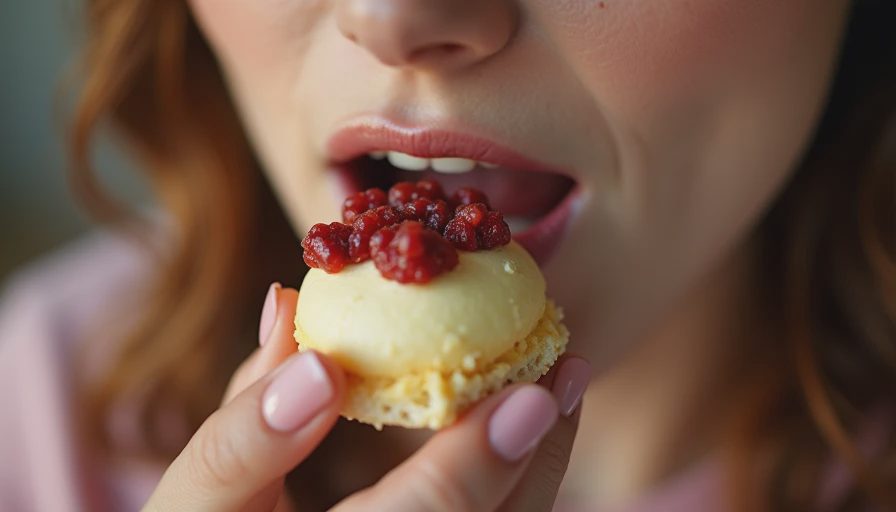
Brown butter without burning it
Brown butter is one of my favorite upgrades for desserts using butter, but it has a narrow window between toasted and ruined. Use a light-colored saucepan so you can see the milk solids. Melt the butter over medium heat, then stir or swirl as it foams. The foam will settle, the solids will turn tan, and small brown flecks will appear on the bottom. Remove the pan immediately and pour the butter into a heatproof bowl. The hot pan keeps cooking it, which is how good butter becomes bitter butter.
For extra insurance, add a tablespoon of water after browning if the original recipe calls for creamed butter. Browning drives off some water, and replacing it helps the dough spread and bake properly. Cool the butter until it is soft but not liquid before mixing. This is especially useful in chocolate chip cookies, blondies, and banana bread.
Choosing desserts for the occasion
For a weeknight, choose cookies or a fruit crisp because both tolerate substitutions and can be ready in under an hour. For a football Saturday, blondies travel better than a frosted cake and do not need refrigeration. For a family gathering, pie gives you a larger serving count, but make the crust the day before and keep it chilled. Desserts using butter are flexible enough for a busy kitchen, as long as you plan around cooling time.
A 9-by-13-inch pan usually serves 16 modest brownie or blondie squares. An 8-inch pie serves six to eight, while a standard cookie batch produces about two dozen pieces. Those numbers change with portion size, especially when kids are helping and someone keeps sampling the edges. I call that quality control.
A practical butter dessert checklist
Before mixing, read the recipe all the way through and set out the eggs, flour, sugar, and butter. Check whether the butter needs to be cold, softened, or melted. Measure flour by spooning it into a cup and leveling the top instead of scooping directly from the bag. Preheat the oven fully, line pans when sticking is likely, and leave space between cookies.
After baking, trust the signs more than the clock. Look for bubbling fruit, set edges, a lightly springy cake center, or a toothpick with moist crumbs rather than wet batter. Let cookies rest on the pan for five minutes and let cakes cool before slicing. Cutting too early can make a perfectly baked dessert look gummy.
The best desserts using butter are not complicated. They depend on temperature, timing, and knowing when to stop mixing. Start with a crisp apple topping or a reliable cookie, then try brown butter when you want a deeper flavor. Put on the Longhorns game, let the kids measure the sugar, and keep the oven light on. Good smoke. Good sweets. Good people.



No notes yet — write the first one.