The first time I made tastykake tandy cake, I rushed the peanut butter layer and ended up with a sliding chocolate mess. It tasted fine, but nobody could pick up a square without wearing half of it. The fix was simple: cool the cake completely, warm the peanut butter just enough to spread, and give the whole pan time to set before cutting. That small change turned a sticky failure into a tray of neat, soft-centered treats.
This is not a bakery project that needs special equipment. You need a jelly-roll pan, a hand mixer or stand mixer, parchment, and enough patience to let each layer do its job. The result is a tender yellow sheet cake with a salty-sweet peanut butter layer and a thin chocolate top that snaps slightly when cold, then softens on the counter.
What Makes Tastykake Tandy Cake Worth Making
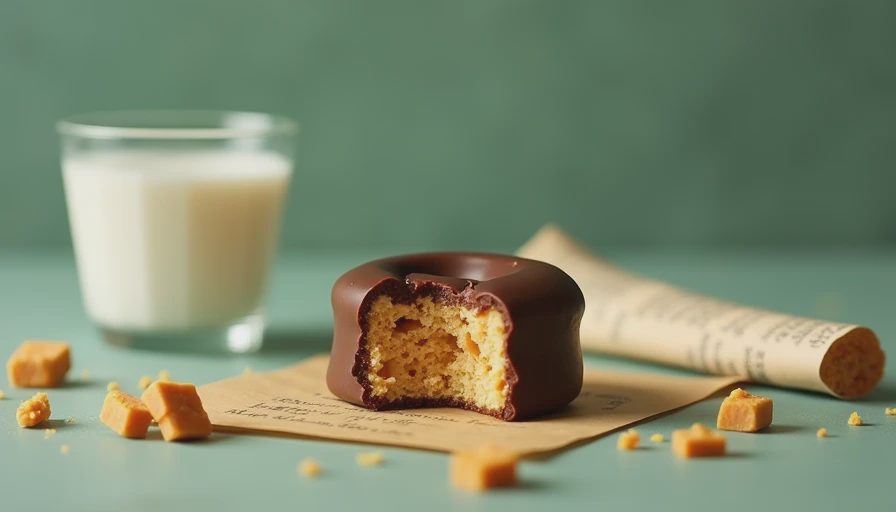
The packaged version has a particular balance: the cake is light but not dry, the peanut butter is smooth rather than chunky, and the chocolate coating is thin enough that it does not overpower everything underneath. A homemade tastykake tandy cake should aim for that same balance instead of becoming a tall birthday cake covered in frosting.
Start with room-temperature eggs, butter, and milk. Cold ingredients do not ruin the recipe, but they make the batter less uniform and encourage overmixing. Use a 10-by-15-inch jelly-roll pan if you have one. A larger pan makes the cake too thin, while a smaller pan can leave the middle underbaked before the edges are ready.
Bake at 350 degrees Fahrenheit for roughly 15 to 20 minutes. Begin checking at 15 minutes because sheet cakes move quickly. The center should spring back when pressed lightly, and a toothpick should show a few moist crumbs. If you bake until the toothpick is perfectly clean, the finished cake can turn dry after chilling.
Building the Peanut Butter Layer Without a Mess
The most common mistake with tastykake tandy cake is spreading cold peanut butter over a hot cake. The peanut butter drags across the surface, tears the crumb, and leaves bare patches. Let the cake cool for about 10 minutes, then spread the peanut butter while the cake is still warm but no longer steaming. The gentle heat helps it glide across the top.
Creamy peanut butter works best here. Natural peanut butter can separate and leave excess oil, which makes the chocolate layer slide later. If that is what you have, stir it thoroughly and use the thicker portion from the bottom of the jar. You will need roughly 1 to 1 1/4 cups for a standard jelly-roll pan, depending on how thick you like the middle layer.
For cleaner spreading, spoon small dollops across the cake instead of dropping one large mound in the center. An offset spatula helps, but the back of a dinner spoon works just fine. Put the coated cake in the refrigerator for 30 to 45 minutes. That step firms the peanut butter so the chocolate goes on smoothly.
Choosing and Applying the Chocolate Coating
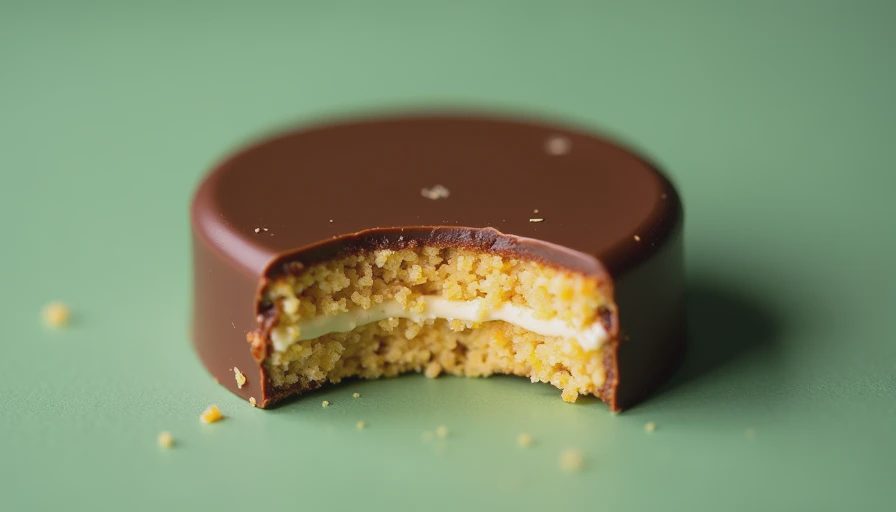
Milk chocolate gives tastykake tandy cake its familiar candy-bar sweetness, while semisweet chocolate makes the dessert less sugary and a little more grown-up. I usually use a combination of both, with about 10 to 12 ounces total for a jelly-roll pan. Add a tablespoon of shortening or refined coconut oil if the melted chocolate seems too thick. Do not use water; even a small amount can make melted chocolate seize into a grainy paste.
Melt the chocolate in short bursts in the microwave, stirring every 20 to 30 seconds. Stop while a few small pieces remain and let the residual heat finish the job. You can also use a bowl over barely simmering water, but keep the steam away from the chocolate. A thin coating is easier to cut and closer to the snack-cake style than a heavy half-inch shell.
Spread the chocolate over the chilled peanut butter layer, then refrigerate the pan for at least one hour. Do not cover it tightly while the chocolate is still warm, or condensation can spot the surface. Once set, lift the slab by the parchment and cut it into squares with a warm, dry knife.
The Fixes I Wish I Had Used the First Time
If the cake is dry, the likely culprit is extra oven time or a pan that is too small. Weighing flour is helpful, but if you use measuring cups, spoon the flour in and level it instead of packing it down. If the peanut butter layer cracks, it was probably too cold when spread, or the cake was chilled before the peanut butter had settled. Let the pan sit at room temperature for 10 minutes before trying to smooth it.
A greasy chocolate top usually means the peanut butter layer was too oily or the chocolate was overheated. Use regular creamy peanut butter, melt gently, and avoid stirring in more oil than necessary. If the chocolate becomes dull after chilling, that does not mean the cake is ruined. It is still perfectly good to eat; it simply was not tempered like professional candy.
For a tastykake tandy cake that cuts cleanly, chill it until firm, then use a chef's knife warmed under hot tap water. Dry the blade before each cut. Wiping between slices takes an extra minute, but it keeps the yellow cake from dragging chocolate crumbs across the peanut butter.
Serving, Storing, and Sharing the Pan
This dessert is best after the chocolate has set but before the cake gets refrigerator-cold. Give each square 10 to 15 minutes on the counter so the peanut butter softens. Store leftovers in an airtight container with parchment between layers. They keep well in the refrigerator for about five days, although the cake is at its softest during the first two days.
You can freeze tastykake tandy cake in a single layer, then transfer the firm squares to a freezer bag. Thaw them in the refrigerator overnight or on the counter for about 30 minutes. Frozen pieces are handy when the kids want a quick after-school sweet, and they hold up better than many frosted cakes.
For a backyard football Saturday, cut smaller squares and serve them beside coffee or cold milk. For a family dessert, add a pinch of flaky salt over the chocolate before it sets. June likes the salty finish; Sam mostly likes checking whether the chocolate has hardened yet. Both approaches are valid kitchen science.
A Simple Weekend Game Plan
Make the cake in the morning, spread the peanut butter before lunch, and finish the chocolate after the pan has chilled. That schedule removes the temptation to hurry. If dinner is on the smoker, prepare the dessert before lighting the fire so you are not trying to monitor a brisket and melted chocolate at the same time.
The biggest lesson from my first tastykake tandy cake was that the recipe is not difficult; the timing is what matters. Cool the cake, smooth the peanut butter, chill the layer, and apply a thin chocolate coat. Follow those four steps and you will get a soft, tidy square instead of the collapsing mess I pulled from my first pan.
Good smoke. Good sweets. Good people. That is the whole point of making this at home: not chasing perfection, just putting something familiar on the table that disappears before the game ends.



No notes yet — write the first one.