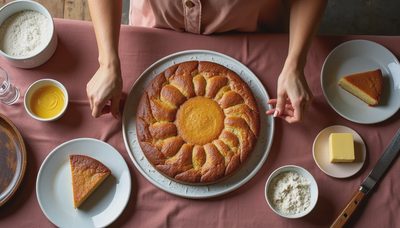
The first time I made a lemon cream cheese pound cake recipe, I pulled the loaf out too early because the top looked done. Fifteen minutes later, the middle folded in like a tired tent. The fix was simple: use a tube pan, soften the ingredients properly, and bake until the center is genuinely set. This version has a tight, tender crumb, enough cream cheese to keep it moist, and real lemon flavor without tasting like furniture polish.
This is a good Saturday cake. Mix it while the coffee is going, let it cool while the kids argue over the last pancake, then slice it for dessert after burgers or smoked chicken. It also travels well, which matters when you are taking something to a football watch party or heading down to the lake with a cooler.
Why This Cake Works
Cream cheese adds fat and a gentle tang, but it also makes the batter heavier than a basic butter pound cake. That is why the mixing order matters. The butter and cream cheese need to be soft enough to blend into a smooth mixture, not melted and greasy. Room-temperature eggs help the batter stay emulsified instead of looking curdled.
A lemon cream cheese pound cake recipe can easily turn flat if the pan is too small or the oven runs hot. I use a 10-inch tube pan with a removable bottom, but a 12-cup Bundt pan works too. Grease every ridge thoroughly, then dust it with flour. Lemon zest carries more flavor than lemon juice, so grate the yellow outer skin before squeezing the fruit. Stop when you reach the white pith; that part is bitter.
Ingredients and Pan Setup
You will need 1 cup unsalted butter, 8 ounces full-fat cream cheese, 3 cups granulated sugar, six large eggs, 3 cups all-purpose flour, 1 teaspoon baking powder, one-half teaspoon salt, 2 tablespoons fresh lemon zest, 3 tablespoons fresh lemon juice, 2 teaspoons vanilla extract, and one-half cup whole milk.
Set the butter, cream cheese, eggs, and milk out for about an hour. Do not microwave the cream cheese until it is runny. Soft is the goal. Heat the oven to 325 degrees Fahrenheit and place a rack in the lower-middle position. Pound cake benefits from steady heat, and 325 degrees gives the center time to bake before the outside gets too dark.
For the glaze, stir together 1 cup powdered sugar, 1 to 2 tablespoons lemon juice, and a pinch of salt. Add the juice slowly. A thick glaze stays on the cake; a watery one slides off and puddles on the plate.

Mixing and Baking Steps
Beat the softened butter and cream cheese together for about 2 minutes, until smooth. Add the sugar gradually and continue beating for 4 to 5 minutes. This is where you build the cake's lift, so scrape the bowl once or twice. The mixture should look pale and fluffy, not grainy.
Add the eggs one at a time, mixing just until each disappears. If the batter looks slightly broken, do not panic. It will come back together when the flour goes in. Stir the zest, lemon juice, and vanilla into the milk. Whisk the flour, baking powder, and salt in a separate bowl.
Add the dry ingredients in three additions, alternating with the milk mixture in two additions. Begin and end with flour. Mix on low speed only until no dry streaks remain, then give the batter a final turn with a spatula. Overmixing at this stage is how a tender cake becomes chewy.
Spoon the batter into the prepared pan and smooth the top. Tap the pan once on a folded towel to release large air pockets. Bake for 75 to 90 minutes. Start checking at 75 minutes with a long wooden skewer or thin knife. It should come out with a few moist crumbs, not wet batter. The top should be golden, and the center should spring back when pressed lightly.
Cool the cake in the pan for 15 minutes. Run a thin knife around the outer edge and center tube, then turn it onto a rack. Let it cool completely before glazing. I know that is a rough wait when the kitchen smells this good, but warm pound cake can tear under its own weight.
Fixing Common Pound Cake Problems
If the middle sinks, the cake was usually underbaked, the oven door was opened too early, or the batter had too much liquid. An oven thermometer is useful because many home ovens run 15 to 25 degrees off. If the crust darkens before the center is ready, lay foil loosely over the top after about 55 minutes. Do not seal it tightly, or steam can soften the crust.
If the cake is dry, measure the flour by spooning it into measuring cups and leveling the top instead of scooping directly from the bag. Direct scooping can pack in extra flour. Also check the baking time. A lemon cream cheese pound cake recipe should finish moist, but it will lose tenderness when baked far past the point of doneness.
If the cake sticks, the pan was probably not coated into the corners and grooves. Brush softened butter over the entire surface, dust with flour, and tap out the excess. Baking spray made for cakes also works, but I still inspect the pan before adding batter.

Glazing, Slicing, and Serving
Once the cake is cool, drizzle the glaze slowly over the ridges. For a sharper lemon punch, brush the warm cake with a mixture of 2 tablespoons lemon juice and 2 tablespoons sugar before it cools. The syrup soaks in and adds moisture without making the crumb soggy. Use one treatment or the other if you prefer a less sweet dessert; using both gives you a proper lemon-forward cake.
Slice with a sharp, thin knife, wiping the blade between cuts. The first slice is usually the messiest, especially if you rushed the cooling. Serve it plain, with berries, or with a spoonful of lightly sweetened whipped cream. My family likes it chilled, while I prefer a slice at room temperature with strong coffee.
Storage and Make-Ahead Tips
Keep the glazed cake covered at room temperature for up to 3 days. Because of the cream cheese baked into the batter, it is not the same as a cream cheese frosting that requires immediate refrigeration. If you add a soft dairy topping, refrigerate leftovers instead. For longer storage, wrap individual slices in plastic wrap, place them in a freezer bag, and freeze for up to 2 months. Thaw slices overnight in the refrigerator or for a couple of hours on the counter.
This lemon cream cheese pound cake recipe is also better the next day, after the lemon settles into the crumb. Bake it the evening before a gathering, glaze it in the morning, and carry it in the same pan if you can. That keeps the edges from getting knocked around in the car.
A dependable lemon cream cheese pound cake recipe does not need fancy equipment or pastry-school tricks. It needs properly softened ingredients, patient creaming, a moderate oven, and a real doneness check. Take your time, let it cool, and you will have the kind of cake that disappears before anyone asks whether there is another one. Good smoke. Good sweets. Good people.



No notes yet — write the first one.