The first time I made small batch cupcakes, I treated the recipe like a half-sized birthday cake. That was the mistake. I cut everything in half, guessed at the egg, and pulled out twelve squat little cakes with dry edges and a middle that refused to set. Small batch cupcakes need their own method, not careless division. Once you get the ratios right, you can make six to twelve tender cupcakes for a Tuesday dessert, a school snack, or a small Saturday gathering without filling the freezer.
The right size for a small batch
A useful small batch makes six standard cupcakes. If you need twelve, double the ingredients rather than trying to stretch six cakes with extra milk or flour. Six cupcakes usually call for one egg, about three-quarters of a cup of flour, one-half cup of sugar, and a modest amount of butter or oil. That ratio gives you enough batter for a rounded top without forcing the cakes to bake forever.
For small batch cupcakes, measure flour by spooning it into a dry measuring cup and leveling the top with a knife. Scooping directly from the bag packs in extra flour, and that is how a soft cupcake turns heavy. If you do not own a scale, this simple habit matters more than fancy equipment. I learned it after June and I made a batch that had the texture of sweet cornbread. Good with chili, not what we wanted beside birthday candles.
Use a regular twelve-cup muffin pan, but fill only six wells. Place the liners in the center positions when possible, leaving space between them so heat can circulate. Set the oven to 350°F and let it fully preheat. An oven thermometer is useful if your oven runs hot, which mine does by about 15 degrees when Old Hoss is smoking ribs outside and the kitchen is working overtime.
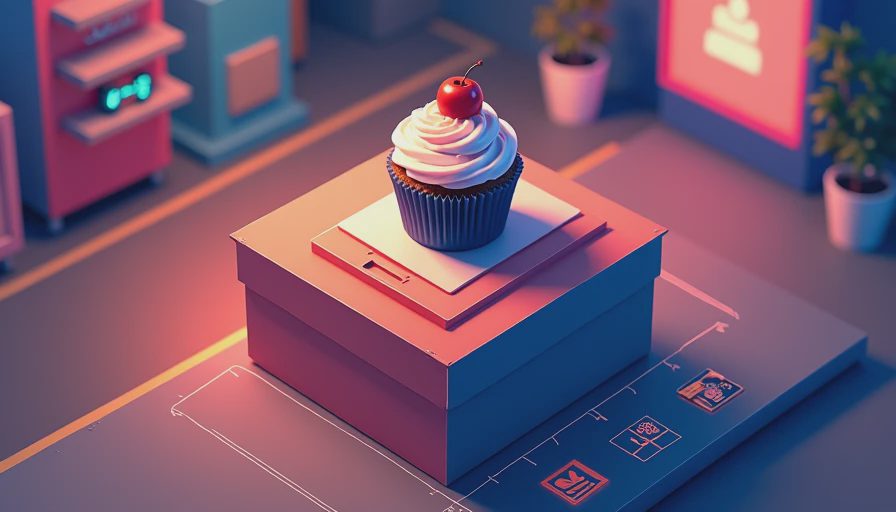
A simple vanilla method that works
For reliable small batch cupcakes, start with softened butter and sugar. Beat them for about two minutes, until the mixture looks lighter and creamy. Add one large egg and a teaspoon of vanilla, then scrape the bowl. In a separate bowl, stir together flour, baking powder, and salt. Add the dry ingredients in two additions, alternating with milk. Stop mixing as soon as the last streak of flour disappears.
Do not beat the batter smooth for another five minutes. That develops gluten and gives you a chewy, tight crumb. A few small lumps are harmless. Divide the batter evenly, filling each liner about two-thirds full. An ice cream scoop makes this quick, but two spoons work fine. Bake for 17 to 21 minutes, rotating the pan once if your oven has an obvious hot side.
The cupcakes are done when the tops spring back after a light touch and a toothpick comes out with a few moist crumbs. A completely clean toothpick often means you went a minute too far. Let the cakes rest in the pan for five minutes, then move them to a rack. Frosting warm cupcakes is how you end up with a shiny puddle sliding down the sides.
Small batch cupcakes cool faster than a full cake, so start checking them after 30 minutes. If you are in a hurry, place the rack near a fan, but do not refrigerate them while they are hot. Condensation can make the tops sticky and soften the liners.
Flavor changes without wrecking the batter
Vanilla is the base, not a rule. For chocolate small batch cupcakes, replace two tablespoons of flour with unsweetened cocoa powder and add one tablespoon of milk. The cocoa absorbs moisture, so skipping that extra milk leaves the cake dry. For lemon, add one teaspoon of finely grated lemon zest and replace half the vanilla with lemon juice. Do not add a large splash of juice; too much acid changes the texture and can overpower the butter.
For cinnamon cupcakes, add one-half teaspoon of cinnamon and a pinch of nutmeg. A tablespoon of finely chopped toasted pecans gives them a good Texas-back-porch feel, but keep the pieces small so they do not sink. Chocolate chips work best at about one-quarter cup for six cupcakes. Toss them with a teaspoon of flour before folding them in. This will not make every chip float, but it helps distribute them instead of leaving a chocolate layer on the bottom.
You can also make jam-centered cakes. Fill each liner halfway, add one teaspoon of thick jam, then cover with enough batter to reach two-thirds full. Raspberry and strawberry work well. Thin jelly tends to leak, burn against the pan, and make cleanup a job nobody volunteered for.

Frosting amounts for six cupcakes
A full bowl of frosting is unnecessary for small batch cupcakes. For six cakes, beat four tablespoons of softened butter with one cup of powdered sugar, one tablespoon of milk, a pinch of salt, and one-half teaspoon of vanilla. Start slowly so sugar does not coat the counter. Once combined, beat for two minutes until fluffy. Add another teaspoon of milk only if the frosting is too stiff to spread.
This makes enough for a modest swirl or a generous knife-frosted layer. If you want tall bakery-style piping, make one and a half times the amount. Cream cheese frosting needs a cooler room because it softens quickly. Beat two ounces of cream cheese with two tablespoons of butter, then add about three-quarters of a cup of powdered sugar. Keep it chilled until the cupcakes are ready.
Buttercream can also carry flavor. Add one tablespoon of peanut butter for a light peanut note, or mix in one teaspoon of espresso powder dissolved in a teaspoon of warm milk for mocha frosting. Taste before adding more sugar. A frosting that is too sweet hides the cake underneath, especially with chocolate.
Common failures and quick fixes
If small batch cupcakes sink in the middle, the batter probably had too much liquid, the oven door opened early, or the cakes needed another few minutes. Do not keep opening the door to check. Look through the glass after 15 minutes, then test near the end. If the tops rise into sharp peaks, your oven may be running hot or the batter was overmixed. Lower the temperature by 10°F next time and stop stirring sooner.
Dry cupcakes usually come from excess flour or overbaking. Use a timer, but trust the spring-back test as well. Dense cupcakes can result from cold butter, which never properly creams with the sugar. Leave butter on the counter for 45 to 60 minutes, or cut it into small cubes to speed things along. Do not microwave it until melted; melted butter produces a different crumb.
If the liners pull away from the cakes, excess moisture, underbaking, or storage in a sealed container while warm can be responsible. Cool the cupcakes completely before covering them. A slightly loose liner is cosmetic, not a dinner-ending disaster. Frosting covers a lot of evidence, as every home baker eventually discovers.
Storage and serving plan
Unfrosted small batch cupcakes keep well in an airtight container at room temperature for two days. Frosted cakes are best the day they are made, but they can hold overnight. If the frosting contains cream cheese, refrigerate the cupcakes and let them sit at room temperature for 20 to 30 minutes before serving. Buttercream stored cold needs a little time to soften.
For a school event, bake the cakes the evening before, cool them fully, and frost them in the morning. For football Saturday, bake them before kickoff, then let the kids decorate with sprinkles while the smoker settles into its slow cook. Keep decorations simple: toasted nuts, crushed cookies, or a small pinch of flaky salt all add more than a mountain of colored sugar.
The best thing about small batch cupcakes is control. You get a fresh dessert without six leftover slices drying out on the counter. Make vanilla when you want dependable, chocolate when you need comfort, and lemon when the afternoon calls for something brighter. Measure carefully, avoid overmixing, and pull them from the oven while the crumbs are still moist. Good smoke. Good sweets. Good people.

No notes yet — write the first one.