The first time I used meathead's memphis dust, I made the classic mistake: I buried a rack of ribs under it like I was trying to hide a bad paint job. The flavor was loud, the bark turned nearly black, and every bite tasted more like sugar and salt than pork. Used with a lighter hand, this Memphis-style rub is a useful thing to keep beside the smoker. It brings sweetness, color, gentle heat, and enough savory flavor for ribs, pork shoulder, chicken, and even roasted vegetables.
What meathead's memphis dust tastes like
Meathead's Memphis Dust is built around brown sugar, paprika, kosher salt, garlic, onion, and warm spices. The brown sugar helps develop a dark, tacky bark as the meat cooks. Paprika gives the surface its red color, while garlic and onion keep the flavor from drifting into candy territory. Depending on the version you follow, chili powder, black pepper, and a small amount of cayenne add a background tingle.
That balance is why meathead's memphis dust works especially well on ribs. Memphis ribs are not supposed to taste like a bowl of sugar. You want pork first, smoke second, and the seasoning filling in the gaps. I get the best results when the rub tastes slightly too strong on my fingertip before cooking, but not aggressively salty. Smoke and rendered fat soften the flavor over several hours.
For a typical three-pound rack of spare ribs, use about two to three tablespoons total. Baby backs usually need a little less because their surface area and meat thickness differ. A pork butt can take four to six tablespoons, depending on its size. Rub the meat with a thin coat of yellow mustard or a few drops of neutral oil if you need help with adhesion; neither one will dominate the finished flavor.
How I apply meathead's memphis dust
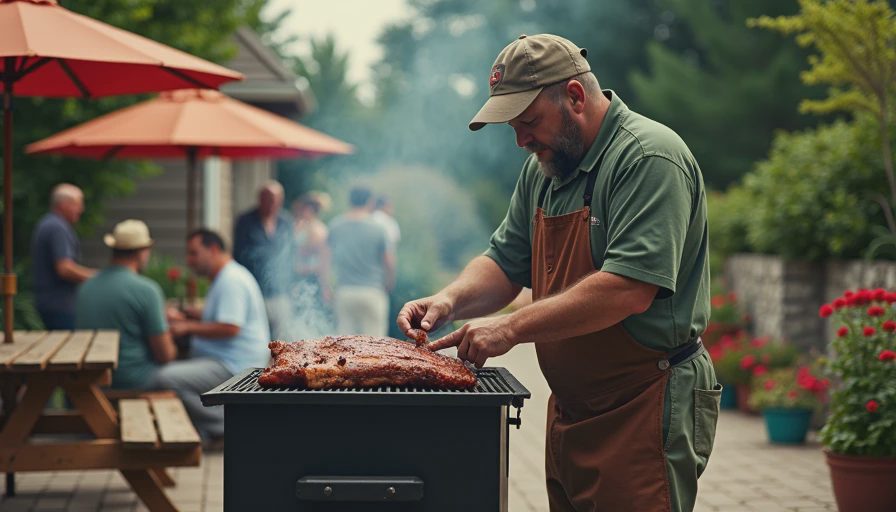
Start by trimming loose flaps of fat and removing the membrane from the bone side of the ribs. Pat the meat dry with paper towels. Moisture on the surface turns the rub into a paste, which makes even coverage harder. Shake meathead's memphis dust from a jar rather than dumping a handful into one spot. Hold your hand about eight inches above the meat and let the seasoning fall like light snow.
Press the rub gently with your palm. Do not scrub it into the meat. Scrubbing pushes seasoning into uneven patches and can tear the surface. The goal is a thin, complete coating that still lets you see the texture of the pork. After seasoning, let the ribs sit for 20 to 30 minutes while the smoker comes to temperature. For a longer rest, refrigerate them uncovered for up to 12 hours, then put them on the smoker cold.
I run ribs around 250 degrees Fahrenheit on Old Hoss, using pecan or oak when I have it. Apple works too, especially with chicken. At that temperature, the sugar in meathead's memphis dust has time to brown without scorching immediately. If your smoker climbs past 300 degrees for a long stretch, the sugar can become bitter before the ribs are tender. You're running a little hot, bud; close the intake slightly and give the cooker time to settle.
Ribs, pork shoulder, and chicken
For ribs, meathead's memphis dust is best applied before a steady three- to five-hour cook, depending on thickness and tenderness. I begin with the bones down and leave the lid closed for the first two hours. Spraying is optional. If the surface looks dry, a light mist of apple juice or water is enough. Excess liquid washes seasoning away and softens the bark.
For pork shoulder, the rub can go on the night before. A seven- to nine-pound butt cooked at 250 to 275 degrees commonly takes eight to twelve hours, but tenderness matters more than the clock. When a probe slides into several parts of the shoulder with little resistance, wrap or rest it according to your preferred bark. meathead's memphis dust gives pulled pork a sweet edge that works well with vinegar sauce.
Chicken needs more attention because sugar can darken quickly. Use a thinner coat and cook leg quarters or thighs at 325 to 375 degrees. The higher heat helps render the skin. If the rub looks dark before the chicken is cooked, move the pieces to a cooler part of the grill. The finished meat should reach 165 degrees in the thickest section, with thighs often tasting better at a higher internal temperature because the connective tissue has more time to soften.
Common mistakes with this rub
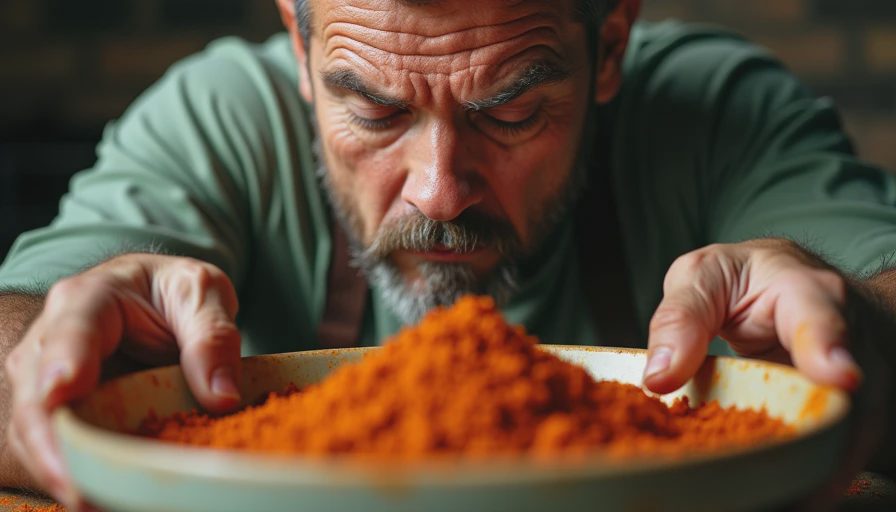
The biggest mistake is confusing more color with more flavor. A heavy layer of meathead's memphis dust can make ribs taste salty, especially when the rack has already been brined or injected. Read the label on prepared meat before seasoning. If salt is already part of the process, cut the rub amount by half or choose a salt-free blend.
Another problem is adding sauce too early. Sweet barbecue sauce over a sweet rub can burn over direct heat. If I am saucing ribs, I wait until the final 15 to 20 minutes. That gives the sauce time to set without turning the bark into sticky charcoal. For pulled pork, I serve sauce at the table instead of mixing in a full bottle. The smoke, pork juices, and rub should still be noticeable.
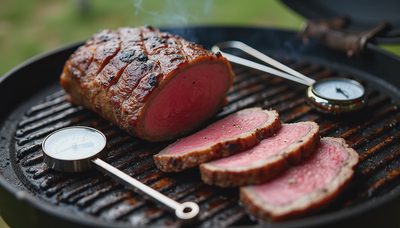
Do not judge the bark while the meat is steaming hot. Fresh off the smoker, it can seem hard or overly intense. Rest ribs for 10 to 15 minutes and pork shoulder for at least 45 minutes before pulling. The surface settles, juices redistribute, and the seasoning tastes less sharp. That waiting period is difficult when the kids are circling the cutting board, but it is cheaper than cooking another shoulder.
Storage and easy ways to use leftovers
Keep meathead's memphis dust in an airtight jar away from the stove, sunlight, and steam. Brown sugar attracts moisture, so press out large clumps before measuring and use a clean, dry spoon. I write the mixing date on masking tape and use the blend within a few months for the best aroma. If it smells flat, tastes stale, or has absorbed moisture, mix a fresh batch instead of trying to rescue it.
Leftovers are where this rub earns its shelf space. Stir a teaspoon into baked beans, sprinkle a small amount over sweet potatoes, or season corn before grilling. It also works on turkey burgers and roasted cauliflower, though I use less than I would on pork. For meathead's memphis dust pulled pork nachos, layer tortilla chips with pork and cheese, bake until melted, then finish with pickled jalapenos and a little vinegar sauce.
My daughter June likes the sweet notes on chicken wings, while Sam thinks every batch needs more pepper. He is usually wrong, but he is seven, so I let him shake the jar. Kate prefers the rub on pork tenderloin cooked quickly over indirect heat. That is the practical advantage here: one blend can cover a whole Saturday menu without making everything taste identical.
My simple weekend method
On Friday night, I trim the ribs, season them lightly with meathead's memphis dust, and set them on a tray in the refrigerator. Saturday morning, I light the smoker and wait for a stable 250 degrees. The ribs go on around 9 a.m., bones down, with two chunks of pecan. I check the fire instead of constantly opening the lid, because every peek costs heat and extends the cook.
Around noon, I check the color and flexibility. If the bark looks dry, I mist lightly. If it is already dark, I stop adding liquid and move on. I start checking tenderness after three and a half hours. Once the ribs bend and the meat has pulled back slightly from the bones, I rest them before slicing. A sharp knife, clean cuts, and a bowl of beans finish the job.
Whether you follow the original recipe or adjust the pepper and cayenne, meathead's memphis dust is most useful when it supports the meat instead of covering it. Start with a moderate coat, control the heat, and give the bark time to develop. Good smoke. Good sweets. Good people.
No notes yet — write the first one.