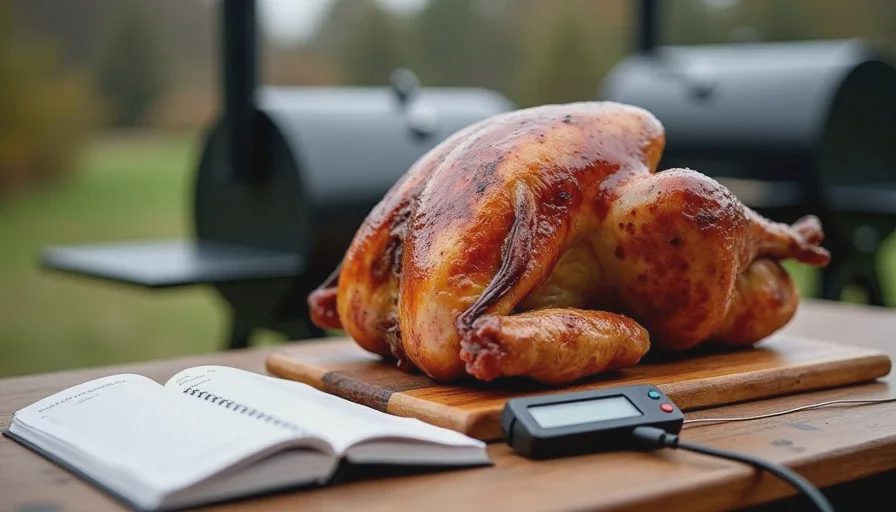
Thanksgiving 2023 was the day I learned that the same principles behind a brisket dry — what went wrong and why — apply to every piece of meat you put on a smoker, and a 14-pound turkey on Old Hoss taught me that lesson in front of my entire family. I'm writing this autopsy because someone needs to learn from my mistakes without having to serve dry turkey to their in-laws on a holiday. Here's the hour-by-hour breakdown of what happened, what the temperature log showed, where each decision went wrong, and what I do differently now. If you've ever had a brisket dry — what went wrong in those cooks is the same chain of errors — you'll recognize every link in this turkey disaster.
What I Was Trying to Do
The Plan
The plan was simple: smoke a 14-pound turkey on Old Hoss at 325°F for about 3 hours, using post oak for smoke. I'd done brisket on the offset dozens of times. I'd done pork butts, ribs, whole chickens. A turkey couldn't be that different — or so I thought.
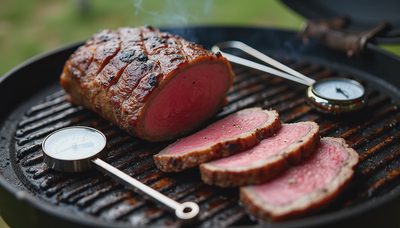
I was running one probe thermometer in the breast, targeting 165°F. The fire was steady. Kate had the sides going inside. June and Sam were setting the table. My mother-in-law was due at 2 PM. The plan had me pulling the turkey at 1:30, resting it for 20 minutes, and carving at 2. Clean and simple.
What actually happened is a lesson in why BBQ competition tips for home cooks matter even on a holiday: the plan doesn't survive contact with the meat. The stall hit, the probe was wrong, and I made it worse by chasing temperatures instead of trusting the process.
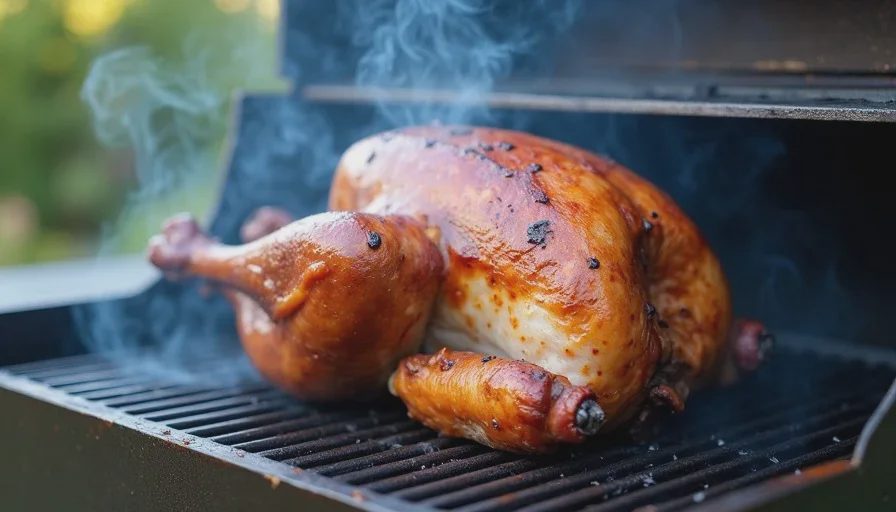
The Hour-by-Hour Autopsy
What the Temperature Log Showed
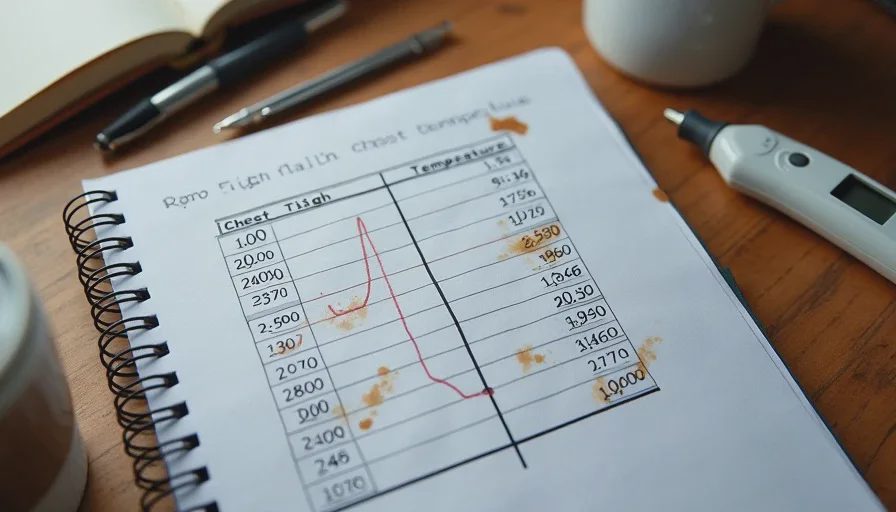
I keep a log for every long cook — a habit I picked up from competition cooks at the Luling Watermelon Thump. Here's what the Thanksgiving 2023 log looks like:
Time | Event | Breast Temp | Thigh Temp | Grate Temp | Notes |
|---|---|---|---|---|---|
10:00 AM | Turkey on | 58°F | 58°F | 325°F | Post oak smoke, steady fire |
10:30 AM | — | 72°F | 75°F | 330°F | Cooking normally |
11:00 AM | — | 95°F | 104°F | 325°F | Thigh running ahead as expected |
11:30 AM | — | 118°F | 135°F | 320°F | Gap between breast and thigh widening |
12:00 PM | Stall begins | 128°F | 152°F | 325°F | Breast plateaus — I didn't recognize the stall |
12:30 PM | Panic | 131°F | 162°F | 340°F | Opened lid to check, lost 20°F of grate temp |
1:00 PM | Fire too hot | 145°F | 172°F | 360°F | Ran hotter to push through the stall |
1:30 PM | "Done?" | 158°F | 183°F | 350°F | Thigh overcooked, breast almost there |
1:45 PM | Pulled | 161°F | 190°F | — | Rested 15 minutes before carving |
2:00 PM | Carved | — | — | — | Breast was dry, thigh was fine |
Where the Decisions Went Wrong
The stall hit the breast at 128°F, just like a brisket stall hits around 150–160°F. The surface moisture evaporates and cools the meat, and the temperature plateaus. I'd seen this on brisket a hundred times — but I didn't expect it on a turkey at 325°F. I thought the higher cooking temp would prevent it. It didn't.
When the breast stalled, I panicked. I opened the lid to check, which dropped the grate temp by 20 degrees and extended the stall by pouring cold air on the meat. Then I ran the fire hotter — up to 360°F — to push through. That dried the breast out further while the thighs, which were already ahead in temperature, continued cooking well past their target.
By the time the breast hit 161°F on the probe, the thighs were at 190°F — overdone. The breast had spent too long in the stall zone with a drying heat, and the moisture was gone. The probe was also positioned too close to the surface of the breast, which means my readings were running high — the center of the breast was probably 5 degrees cooler than the probe showed, meaning I pulled it late.
What I Do Differently Now
Spatchcock the Turkey
Spatchcocking — removing the backbone with kitchen shears and flattening the bird — is the single biggest change I made after the 2023 disaster. A flattened turkey cooks evenly because the breast and thighs sit at the same depth in the heat. There's no thick cavity insulating the thighs while the breast dries out on top. It also cuts the cook time nearly in half, which means less time for things to go wrong.
Two Probes, Not One
One probe in the breast told me what the breast surface was doing. It didn't tell me what the thighs were doing, and it didn't tell me what the center of the breast was doing. Now I run two probes: one in the thickest part of the breast, one in the thickest part of the thigh, both centered in the meat. The breast comes off at 161°F. The thighs can go to 175–180°F and stay juicy because dark meat tolerates higher temperatures without drying out.
Pull the Breast at 161°F
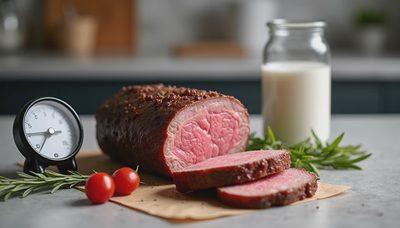
The USDA says 165°F for poultry. I pull the breast at 161°F and let carryover cooking bring it to 165°F during the 20-minute rest. That four-degree buffer matters — every degree past 165°F in the breast is moisture walking out the door. This is the same principle as pulling a brisket at 203°F instead of 210°F. You trust the rest to finish the job.
What Went Wrong vs. What I Do Instead
What Went Wrong (2023) | What I Do Instead (Now) |
|---|---|
Whole bird, cavity intact, uneven cooking | Spatchcock — flatten for even heat distribution |
One probe in the breast, positioned too shallow | Two probes: centered in breast and centered in thigh |
Didn't recognize the stall on poultry | Expect the stall at 125–135°F, don't panic, don't open the lid |
Opened the lid to check, lost 20°F | Trust the probes and the log — keep the lid closed |
Ran the fire up to 360°F to compensate | Hold steady at 325°F, let the stall resolve on its own |
Pulled breast at probe reading of 161°F (actually 156°F center) | Pull breast at true 161°F center, rest 20 minutes |
Thighs overcooked at 190°F while waiting for breast | Separate timing — thighs can go to 180°F and stay juicy |
The Family Reaction
A Quiet Thanksgiving Table
Kate took one bite of the breast and put her fork down. She didn't say anything. She didn't have to — I could taste it too. Dry, stringy, the kind of texture that makes you reach for gravy not because it's an enhancement but because it's a necessity. June said, "The dark meat is good, Dad." Sam ate rolls.
My mother-in-law, to her credit, said, "The smoke flavor is lovely." That was generous. The smoke flavor was the only thing that worked. The bird tasted like oak and regret.
What I Learned
The same mistakes that make a brisket dry — what went wrong in every failed brisket cook I'd ever had — were the mistakes I made with that turkey. I ignored the stall. I trusted one probe in one location. I ran the fire too hot to compensate for lost time. I didn't account for different parts cooking at different rates. The lesson isn't turkey-specific. It's meat-specific. Understand what's happening inside the protein — the stall, the carryover, the temperature gradients — and you can cook anything on any smoker.
I cooked Thanksgiving 2024 on the kettle grill, not Old Hoss. Spatchcocked the bird, two probes, pulled the breast at 161°F. Kate said it was the juiciest turkey she'd had in years. June went back for seconds. Sam still ate rolls — but he's seven. I'll take the win.
Good smoke. Good sweets. Good people. Sometimes the most honest thing you can do for the people at your table is admit what went wrong, write it down, and fix it for next time.
No notes yet — write the first one.