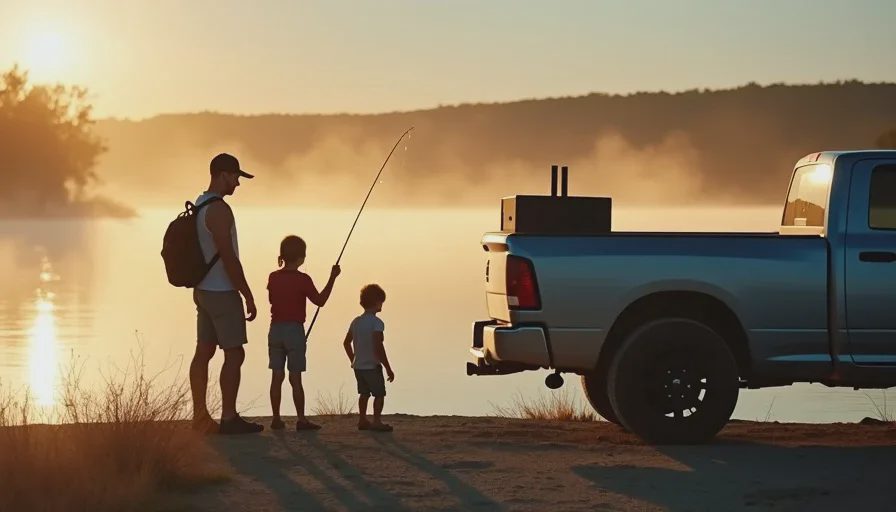
This smoked catfish recipe came from a Saturday I didn't plan worth a darn. June woke me up at 5:14 AM asking if we were going fishing yet. We weren't supposed to leave until 6:30, but a nine-year-old with a plan doesn't care about your sleep schedule. So we grabbed Sam, threw the rods in the truck, and pointed toward Lake Travis. By 7 AM we had lines in the water, and by 9:30 we had four channel cats in the cooler. That's when I realized I'd promised Kate I'd smoke something this weekend anyway — so the catfish was coming home to meet Old Hoss.
Dawn on the Water
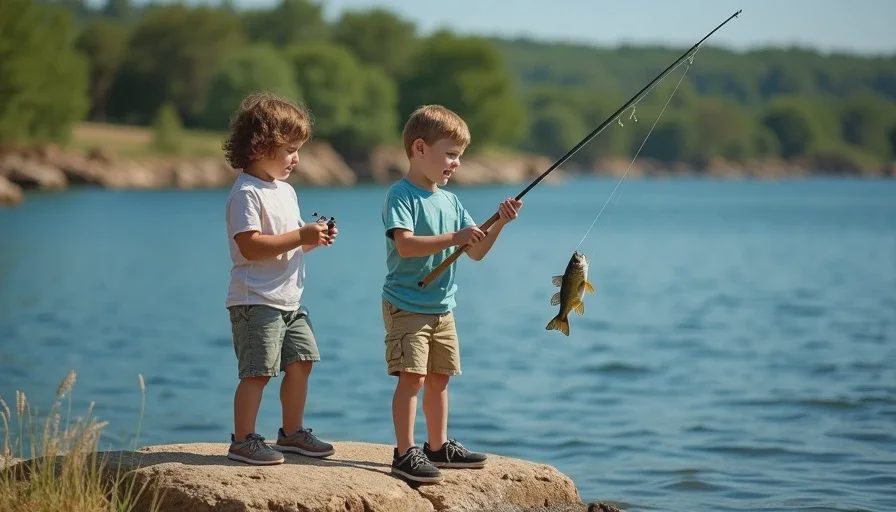
I'm not going to pretend fishing with a 7-year-old and a 9-year-old is peaceful. It's chaos with occasional fish. Sam spent the first hour "supervising" from his folding chair, which meant eating Goldfish crackers and yelling "FISH ON" every time a bobber wiggled. June actually knew what she was doing — she'd watched enough YouTube videos to tie her own knot and cast a decent line. She caught the first one, a two-pound channel cat, and I'll be honest, she out-fished me for the first hour.
Reading the Water at Travis
Lake Travis in August is warm enough that the catfish go deep during the day. We fished a rocky point near the dam in about 18 feet of water, using cut shad on a slip-rig. The trick — if you want to call it that — is getting bait to the bottom and waiting. Catfish aren't fancy. They find food by smell, and they find it on or near the bottom structure.
Bait | Depth | Action |
|---|---|---|
Cut shad on slip rig | 15-20 ft | Still fishing, occasional slight drag |
Chicken liver (backup) | 12-18 ft | Still fishing, no drag |
Nightcrawlers | 10-15 ft | Slow retrieve, then pause |
June caught two, I caught one, Sam caught one. Sam's was the smallest. He didn't care. He carried it to the cooler himself.
Cleaning the Catch
Cleaning catfish isn't hard, but it's not the same as filleting a bass. You need a sharp knife and some patience because the skin is tough. I use an electric fillet knife when I'm at home, but at the lake I use a fixed-blade with a 5-inch edge. Score behind the head, peel the skin back with pliers, and work the fillets off the backbone. Four catfish gave me about three pounds of usable fillet. That's enough for a family cook.
The Brine
Here's where we get to the smoked catfish recipe part. Fish needs a brine — not as heavy as a brisket injection, but enough to season it through and keep it moist during the smoke. I used a simple salt-and-brown-sugar brine, and June measured everything out. She's gotten good at this. She even wrote the measurements on a sticky note and stuck it to the fridge.
Brine Ingredient | Amount | Notes |
|---|---|---|
Kosher salt | 1/2 cup | Don't use table salt — too salty |
Brown sugar | 1/2 cup | Packed |
Water | 2 quarts | Cold |
Black peppercorns | 1 tbsp | Whole |
Bay leaves | 2 | Crushed |
Garlic cloves | 3 | Smashed |
Mix the salt and sugar into the water until dissolved, add the aromatics, and submerge the fillets for 2 hours. Not overnight — fish is too delicate for that. Two hours is plenty. Pull them out, pat dry, and let them sit on a rack in the fridge for 30 minutes to form a pellicle. That tacky surface is what the smoke sticks to.
On the Smoker
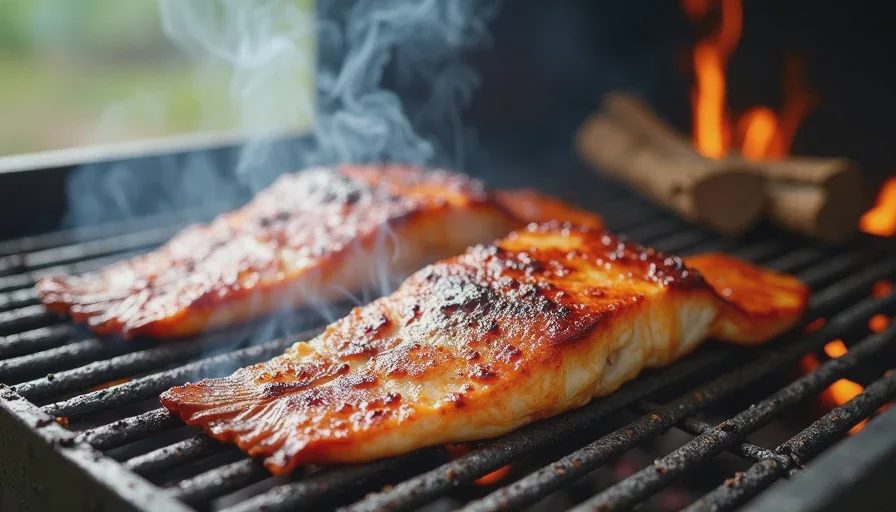
Catfish smokes fast. It's not brisket — you're not looking at 12-14 hours. This smoked catfish recipe runs on Old Hoss at 225°F with post oak and a little cherry, and the fillets were done in about 3 hours. The flesh flakes apart when it's ready, and the fat in a catfish fillet absorbs smoke in a way that's richer and almost buttery compared to a white fish like snapper.
Smoking Timeline
Time | Temp | What's Happening |
|---|---|---|
0:00 | 225°F | Fillets on the grate, skin side down |
0:30 | 225°F | First wisp of smoke visible, no bark yet |
1:00 | 225°F | Edges starting to firm up |
1:30 | 225°F | Color turning golden, add a sprig of rosemary |
2:00 | 225°F | Surface is set, checking internal temp |
2:30-3:00 | 225°F | Internal temp hits 145°F, flake test |
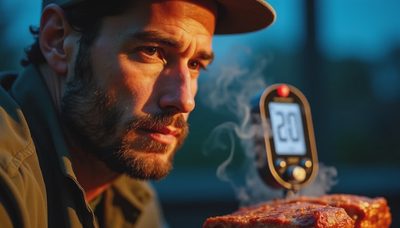
I checked the fillets at the 2-hour mark and the internal temp was at about 135°F. Gave it another 30 minutes, checked again — 145°F and the meat flaked when I pressed a fork in. Pulled them off and let them rest on the cutting board for 10 minutes.
How Catfish Takes Smoke Differently
Brisket is dense. It needs hours of low heat to break down the connective tissue and render fat. Catfish is a different animal — literally. The fat layer under the skin is thin, and the flesh is flaky, not fibrous. Smoke hits it fast and penetrates quickly. If you smoke catfish like brisket — 12 hours at 225°F — you'll have jerky. Three hours at 225°F gives you moist, flaky, deeply smoked fish that still tastes like fish, not like a smokehouse floor.
Post oak is my default for everything, and it works for catfish too. But I threw on a couple chunks of cherry for a little sweetness, and that was the right call. June said it tasted "like bacon but for fish," which is maybe the highest compliment a 9-year-old can give.
What the Kids Learned
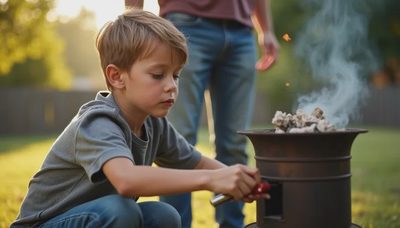
Sam ate two fillets. He's seven. Two whole fillets. Kate had one and went back for seconds, which she never does with anything that isn't her mother's chicken fried steak. June asked if we could do this every weekend — catch something on Saturday, smoke it on Old Hoss, eat it Saturday night. I told her we could try. She's already talking about catching a bigger one next time.
That's the thing about catch-to-table cooking with kids. They don't care about technique or temperature control. They care that they caught it, dad cooked it, and it's on the table the same day. Sam carried that cooler from the truck to the kitchen like it was a trophy. He told Kate "I caught the fish" three times during dinner, and she gave him the nod every time.
Good smoke. Good sweets. Good people.
No notes yet — write the first one.