The first time I made lexington bbq sauce, I treated it like a thick, sweet sauce from the grocery store. Big mistake. I brushed it on ribs, watched it scorch over the fire, and ended up with pork wearing a sticky black jacket. Lexington-style sauce is not supposed to sit heavily on the meat. It is thin, sharp, peppery, and made to wake up smoky pork without hiding it.
This is the sauce I reach for when a pork shoulder has spent eight or nine hours over hickory or oak. It takes about 15 minutes to mix, costs only a few dollars, and tastes better after resting overnight. You do not need special equipment, a competition setup, or a pantry full of hard-to-find ingredients. A saucepan, whisk, and clean jar will handle the job.
What makes lexington bbq sauce different
Lexington bbq sauce comes from the western North Carolina barbecue tradition, where smoked pork shoulder is served with a thin dip rather than a thick glaze. Vinegar provides the bite, ketchup or tomato adds color and a little body, and sugar rounds out the sharp edges. Red pepper gives the sauce a gentle heat, while black pepper brings the familiar barbecue aroma.
The balance is the whole point. Too much vinegar makes the sauce taste like salad dressing. Too much sugar turns it into candy. Too much ketchup makes it taste like a burger condiment. A good batch should hit your tongue bright, slightly sweet, peppery, and savory, then disappear cleanly enough that you want another bite of pork.
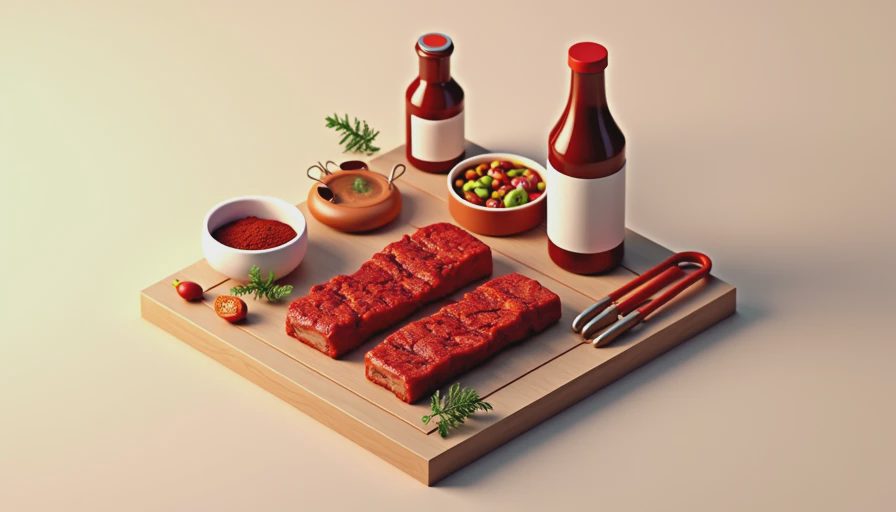
For a home batch, combine 1 cup apple cider vinegar, 1/2 cup ketchup, 1/4 cup water, 2 tablespoons brown sugar, 1 tablespoon Worcestershire sauce, 1 teaspoon kosher salt, 1 teaspoon black pepper, 1/2 teaspoon crushed red pepper, and 1/2 teaspoon smoked paprika. The paprika is my small deviation, not a requirement. It gives the sauce a little extra color when the pork did not pick up as much smoke as planned.
How to cook the sauce without making it harsh
Put everything in a small saucepan and whisk until the brown sugar dissolves. Warm it over medium-low heat until steam rises and the edges barely tremble. Do not boil it hard. A rolling boil drives off some of the fresh vinegar character and can make the ketchup cling to the bottom. Five minutes of gentle heating is plenty.
Remove the pan from the burner and let the mixture cool for 20 to 30 minutes. Taste it warm, but make the final adjustment after it reaches room temperature. Cold sauce tastes sharper than hot sauce. If it is too aggressive, add one tablespoon of water and a teaspoon of brown sugar. If it tastes flat, add a pinch of salt or another splash of Worcestershire sauce.
Pour the finished sauce into a clean glass jar and refrigerate it. The flavors settle after at least four hours, and the pepper spreads through the vinegar instead of hitting in isolated little bursts. Shake before using because the spices will collect at the bottom. I usually make it on Friday night for Saturday pork, which is one less job while the smoker is running.
Serving lexington bbq sauce with smoked pork
Lexington bbq sauce belongs on chopped or pulled pork, especially pork shoulder cooked until it is tender enough to separate with a fork. After resting the meat for at least 45 minutes, chop some pieces finely and leave others in larger strands. Toss in a few spoonfuls of sauce, then serve more at the table. Adding all the sauce at once can make the pork wet and erase the bark.
For an eight-pound shoulder, I start with about 1/2 cup of sauce mixed into the meat and put another cup in a squeeze bottle. That gives everyone control. My wife likes a sharper pour; June prefers just enough to color the pork; Sam usually asks for sauce on the side so he can dip cornbread into it. That is a better argument for serving it separately than any barbecue rulebook.
This style also works with smoked chicken, grilled sausages, and chopped leftover brisket, though pork is the natural match. Spoon it over a pulled-pork sandwich with crunchy slaw, or use a tablespoon in baked beans to cut through their sweetness. On football Saturdays, I put the jar beside pickles, white bread, and a bowl of slaw. Nothing fancy, but the tray empties quickly.

Fixing common sauce problems
If your batch tastes too sour, do not dump in a half cup of sugar. Add water gradually, then balance it with small amounts of brown sugar and ketchup. If it is too sweet, increase the vinegar one teaspoon at a time and add black pepper. If the heat is too strong, more ketchup and water will soften it better than extra sugar alone.
A watery sauce is normal; that is the style. If you want more body for sandwiches, simmer it uncovered for another five minutes, but keep the heat low. For a sauce that tastes dull beside heavily smoked pork, add a pinch of salt first. Salt wakes up vinegar and tomato more effectively than adding another spice. Give each change a minute to blend before tasting again.
Simple variations for your backyard batch
For a hotter version, add a teaspoon of Texas Pete or another vinegar-based hot sauce. For a sweeter family version, increase brown sugar to 3 tablespoons. You can replace half the ketchup with tomato sauce for a less sugary flavor, or use white vinegar for a cleaner, brighter bite. Apple cider vinegar gives the finished sauce a rounder fruit note that I prefer with oak-smoked pork.
I would skip honey if the sauce will touch a hot grill because it burns quickly. Use honey only as a finishing adjustment after cooking, and start with a teaspoon. Likewise, do not apply this thin sauce repeatedly over direct flames. Brush it on during the final few minutes or serve it at the table. That keeps the vinegar lively and prevents the sugar from turning bitter.
Make it ahead and serve it confidently
Stored in a sealed jar in the refrigerator, this sauce is best used within about two weeks for peak flavor. Use a clean spoon each time, and discard it if the smell or appearance changes. Before serving, let the jar sit on the counter for 10 minutes and shake it well. The sauce does not need to be hot; room temperature lets the vinegar, pepper, and tomato taste clearer.
The biggest lesson from my scorched-rib disaster is simple: lexington bbq sauce is a finishing tool, not a heavy coating. Let the smoker build the bark, let the pork rest, and use the sauce to sharpen every bite. When the smoke is good and the sweets are on the counter, dinner does not need much else. Good smoke. Good sweets. Good people.




No notes yet — write the first one.