The biggest mistake with roast beef is treating the clock like it knows more than the meat. It does not. If you are wondering what temp for roast beef, the short answer is this: roast it in a hot oven to build color, then finish at a lower temperature and pull it based on internal temperature. That method gives you a browned outside and a center cooked the way your family likes it.
A reliable roast beef dinner starts with three things: the cut, the oven temperature, and a quick-read thermometer. A 3-pound top round will not cook exactly like a 3-pound rib roast, even if both start cold from the refrigerator. Plan for a temperature range, then let the probe make the final call.
The best oven temperature for roast beef
For most lean roasts, heat the oven to 450 F. Pat the beef dry, rub it with kosher salt, black pepper, and a little oil, then roast it at 450 F for 15 minutes. This first blast helps develop a savory brown crust. After that, lower the oven to 325 F and continue cooking until the roast reaches your target internal temperature.
That two-stage approach works well for top round, bottom round, eye of round, sirloin tip, and smaller rib roasts. If you want a gentler cook from the beginning, set the oven to 325 F and skip the high-heat start. The roast may take a little longer, but the center can cook more evenly.
Convection ovens usually cook faster because moving air transfers heat more efficiently. If you use convection, reduce the oven setting by about 25 degrees or begin checking the roast earlier. My old oven in Lockhart runs hotter on the back right side, so I rotate large roasts once. Knowing your oven is worth more than any fancy chart.
What temp for roast beef at each doneness
The answer to what temp for roast beef depends on how you want the center cooked. Pull the meat from the oven when it is about 5 degrees below the final temperature because carryover cooking continues while it rests.
Rare: Pull at 120 to 125 F for a final temperature around 125 to 130 F. The center will be deep red and cool to warm.
Medium-rare: Pull at 125 to 130 F for a final temperature around 130 to 135 F. This is my usual target for a tender roast with a warm red-pink center.
Medium: Pull at 135 to 140 F for a final temperature around 140 to 145 F. The center will be pink but less red and firmer.
Medium-well: Pull at 145 to 150 F for a final temperature around 150 to 155 F. There should be only a little pink.
Well-done: Pull at 155 F or higher, expecting the roast to finish around 160 F or beyond. Lean cuts can become dry at this point, so gravy, horseradish sauce, or au jus earns its place on the table.
For food safety, whole cuts of beef should reach a safe internal temperature according to current USDA guidance, with a rest afterward. If you are serving children, older adults, or anyone with a higher health risk, choose a more conservative finish.
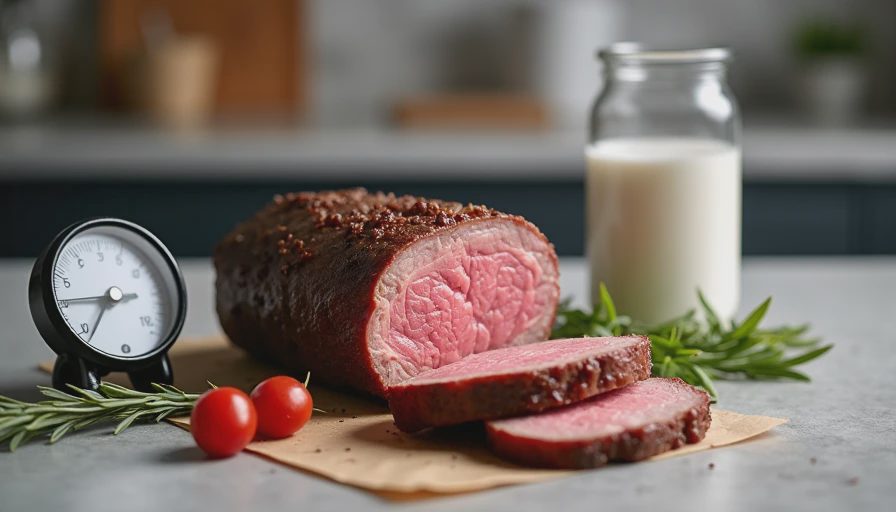
Match the temperature to the cut
The cut changes both cooking time and texture. A rib roast has more fat and marbling, so it stays juicy at medium-rare and can handle a long rest. Top round and eye of round are leaner. They taste best sliced thin and served around rare to medium, because pushing them too far can make them chewy.
For a 3-pound top round at 325 F after the initial sear, start checking around 60 minutes. A 4-pound roast may need 75 to 95 minutes, while a 5-pound roast could take close to two hours. Those are starting points, not promises. Shape, starting temperature, pan material, and oven accuracy all matter.
A boneless rib roast often takes roughly 15 to 20 minutes per pound at 325 F after the initial browning, but the thermometer still wins. Bone-in roasts may cook differently because the bones affect heat flow. Insert the probe into the thickest center section, avoiding fat pockets and the pan.
How to use a thermometer without ruining dinner
Insert an instant-read thermometer from the side when possible. That makes it easier to reach the center and avoids measuring only the browned outer layer. Check two or three spots before pulling the roast. If one reading says 128 F and another says 138 F, use the lower area to decide whether it needs more time.
For a leave-in probe, place the tip in the thickest part before the roast goes into the oven. Set an alarm several degrees below your target. I usually set mine for 125 F when aiming for medium-rare. That gives me time to grab a cutting board, get the rolls warm, and keep Sam from sneaking all the roasted carrots before dinner.
Do not keep opening the oven every five minutes. Each check releases heat and slows the cook. Begin checking early, then check every 10 to 15 minutes as the roast approaches its pull temperature.
Resting roast beef matters more than people think
Once the roast reaches the right temperature, move it to a board and tent it loosely with foil. Do not wrap it tightly. A tight foil package traps steam and softens the crust you worked to build. Rest a small roast for 15 to 20 minutes and a larger rib roast for 25 to 40 minutes.
During the rest, juices settle back into the meat and the temperature usually rises several degrees. This is why what temp for roast beef includes both the pull temperature and the finished temperature. Cutting immediately can leave a puddle on the board and dry slices on the plate.
While the beef rests, use the pan drippings. Put the roasting pan over low heat if it is stovetop-safe, add a cup or two of beef stock, and scrape up the browned bits. A little Worcestershire sauce and black pepper can turn those drippings into a fast sauce without making a separate project of dinner.
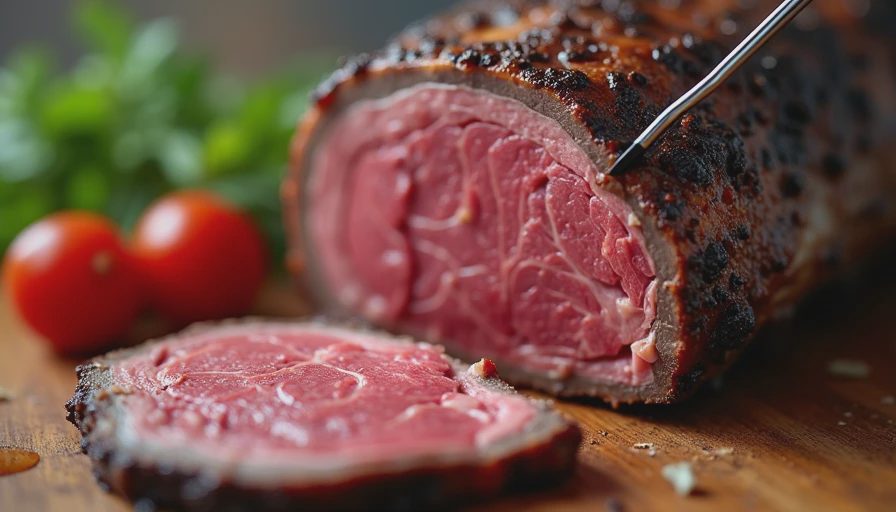
Slicing and serving for better texture
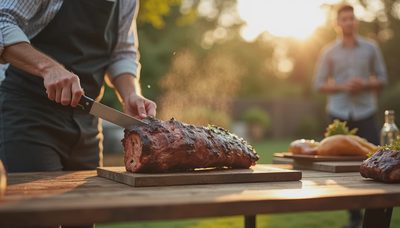
Use a sharp carving knife and slice against the grain. Look for the long muscle fibers, then cut across them rather than parallel to them. Thin slices are especially important for top round and eye of round. Even a perfectly cooked roast can seem tough when it is sliced with the grain.
Serve medium-rare slices with pan sauce, creamy horseradish, or mustard. For a family with mixed preferences, cook the roast to medium-rare, slice the end pieces for people who like more doneness, and save the pink center for everyone else. You can warm individual slices briefly in hot gravy instead of overcooking the whole roast.
If leftovers are the goal, cool the meat promptly, refrigerate it in a covered container, and slice it cold for sandwiches. Roast beef with toasted bread, sharp cheddar, and a little horseradish makes Monday lunch feel considerably less like Monday.
A simple roast beef game plan
Season the roast at least 45 minutes before cooking, or salt it the night before and refrigerate it uncovered. Heat the oven to 450 F, brown the roast for 15 minutes, then lower the heat to 325 F. Start checking the internal temperature early, pull it 5 degrees before your desired finish, and rest it before slicing.
If you remember only one answer to what temp for roast beef, remember this: trust the thermometer, not a rigid cooking time. For most home dinners, medium-rare at a final 130 to 135 F is a strong target, but your table gets the final vote. Good smoke. Good sweets. Good people.
No notes yet — write the first one.