The first pastrami I made tasted like a salt lick wearing a pepper jacket. I had used plenty of pastrami rub spices, but I treated the recipe like a dump-and-stir project instead of balancing salt, pepper, coriander, and a little sweetness. The fix was simple: measure the blend, rinse the cured beef, and give the bark enough time to set before slicing. Now pastrami is a regular Saturday cook at our house, especially when the Longhorns are on later and I want dinner handled before kickoff.
The pastrami rub spices I actually use
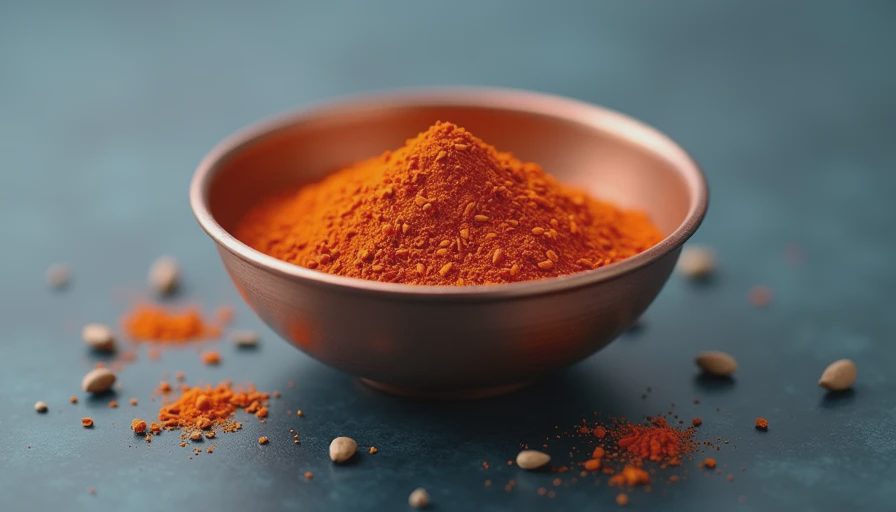
For one 4- to 5-pound cured beef brisket, combine 3 tablespoons coarse black pepper, 2 tablespoons cracked coriander seed, 1 tablespoon paprika, 2 teaspoons garlic powder, 2 teaspoons onion powder, 1 teaspoon mustard powder, and 1 teaspoon brown sugar. Add 1 teaspoon celery seed if you like a slightly sharper deli-style flavor. That is the core mix of pastrami rub spices I keep in a jar beside the coffee grinder.
Use coarse pepper, not the fine dust from a shaker. Fine pepper can turn bitter and muddy on a long cook. Cracked coriander gives the bark its citrusy, floral edge, while paprika adds color without shouting. The brown sugar is optional, but I like the way it helps the surface bronze. It will not make the meat taste like barbecue candy at smoker temperatures around 250 degrees Fahrenheit.
If your cured brisket is heavily seasoned already, cut the added salt from the rub completely. Many store-bought corned briskets carry plenty of salt from the curing liquid. I rinse mine under cold water, pat it dry, and taste a tiny cooked edge after the first attempt. With pastrami rub spices, the smartest adjustment is usually less salt, not more.

How to prepare the brisket before seasoning
Start with a cured brisket flat or a whole cured packer. Trim away hard pockets of fat, leaving roughly 1/4 inch over the top where possible. A thick, waxy slab will not render well, while trimming every bit of fat can leave the slices dry. Remove loose edges that would burn before the center is ready.
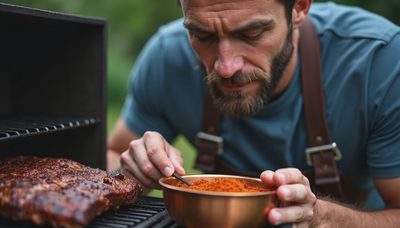
After rinsing, pat the meat very dry. Moisture on the surface dilutes the pastrami rub spices and makes the coating slide around. Apply a thin layer of yellow mustard or hot sauce as a binder if you want; you will not taste much of it after smoking. Press the seasoning onto all sides rather than rubbing aggressively. Rubbing can create bald spots and push pepper into clumps.
For the best bark, season the brisket at least 30 minutes before it goes on the smoker. An overnight rest in the refrigerator gives the spices more time to hydrate, but it is not mandatory. Put the meat on a rack over a sheet pan so air can circulate, and leave it uncovered in the refrigerator. Before smoking, let it sit at room temperature for about 30 minutes while the fire settles.
Smoking pastrami without drying it out
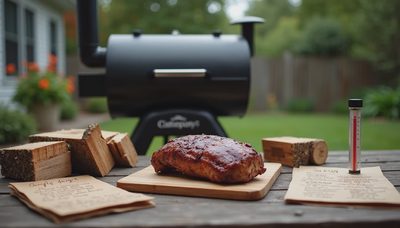
Run the smoker at 250 degrees Fahrenheit and use a mild wood such as oak, pecan, or a small amount of apple. In my offset smoker, oak gives the pastrami the clean, sturdy smoke I want; mesquite can get aggressive before the beef has time to tenderize. Place the brisket fat side up only if that position suits your cooker. Heat moves differently in every backyard smoker, so put the thicker end toward the hotter side.
Smoke until the bark is dark and the internal temperature reaches about 165 degrees, usually four to six hours for a smaller flat. Do not cook by the clock alone. When the surface looks dry and firm, wrap the brisket in unwaxed butcher paper or foil. Paper preserves more bark, while foil speeds the cook and holds in more moisture.
Continue cooking until a probe slides into the thickest part with little resistance, often between 195 and 205 degrees. Temperature tells you when to start checking; tenderness tells you when it is finished. My last 4-pound flat reached 201 degrees after nearly eight hours, then rested for two hours in a dry cooler. The slices were tender without falling apart.
Steam it for deli-style slices
Smoked pastrami is good straight from the rest, but steaming can turn a firm brisket into the soft, juicy sandwich meat most people expect. Put the rested brisket in a steamer basket above simmering water and cover it tightly. Steam for 60 to 90 minutes, checking that the water does not boil dry. You are reheating and relaxing the meat, not cooking it from raw.
This step is especially useful when the bark is excellent but the center feels slightly tight. It also lets you smoke the brisket a day ahead. Chill it whole overnight, steam it the next day, and slice while hot. Use a sharp slicing knife and cut across the grain into pieces about 1/8 inch thick. If the slices shred, check the grain direction; brisket can change direction near the point.
The pastrami rub spices should form a crust that stays attached during steaming. If the bark washes off, the seasoning layer was probably too loose or the meat was steamed too aggressively. Keep the water below a hard boil and handle the brisket gently.
Small adjustments for different flavors
For a darker, more savory crust, add 1 teaspoon ground coffee to the blend. I tried that after burning through a batch of brisket and found it worked best with oak smoke and no extra paprika. For heat, use 1/2 teaspoon cayenne or a tablespoon of crushed red pepper. Chili powder is less predictable because some blends contain salt, cumin, or sugar.
For pastrami rub spices with a deli counter feel, increase the coriander to 3 tablespoons and add a pinch of ground allspice. Go easy on allspice; too much makes the meat taste like holiday sausage. If you are serving children, skip the cayenne and let adults add spicy mustard at the table. June and Sam both prefer theirs on rye with pickles, though Sam removes the pickle before taking the first bite.
Do not add curing salt to this rub unless you are following a tested curing recipe with exact weights. Curing salt and ordinary table salt are not interchangeable, and the rub belongs on already cured meat for this shortcut. That distinction matters more than another teaspoon of seasoning.
Serving and saving the leftovers
Serve the slices on rye or toasted sourdough with yellow mustard, spicy brown mustard, or a spoonful of sauerkraut. A little Swiss cheese is fine, but the bark should remain the main event. I like to crisp a few slices in a cast-iron skillet for breakfast hash with potatoes and eggs. The browned edges are worth waking up early for.
Refrigerate leftovers in a shallow, sealed container and use them within three to four days. You can freeze sliced pastrami in small stacks wrapped in plastic and placed in a freezer bag; separate portions make quick sandwiches much easier. Reheat gently with steam or a covered skillet and a splash of water.
The biggest lesson from my early batches is that pastrami rub spices cannot rescue a rushed cook. Start with a properly rinsed brisket, use coarse pepper and cracked coriander, keep the smoker near 250 degrees, and rest the meat before slicing. Get those steps right and the seasoning does its job: a dark, fragrant crust around tender beef. Good smoke. Good sweets. Good people.
No notes yet — write the first one.