I have bought plenty of sausage that looked promising in the package and ate like a salted rubber hose. Finding the best smoked sausage comes down to more than a dark casing or a fancy label. You want a link with real smoke, a coarse enough grind to stay juicy, and seasoning that supports the meat instead of burying it. Around my house, that means something June and Sam will eat after football practice, but still something worth putting beside a brisket on Saturday.
The good news is that you do not need a $3,000 smoker or a specialty butcher counter. A kettle grill, a cast-iron skillet, or a modest pellet grill can turn a solid link into dinner. I have tested sausages over pecan, oak, charcoal, and plain old stovetop heat. The winners are not always the most expensive ones.
What makes the best smoked sausage
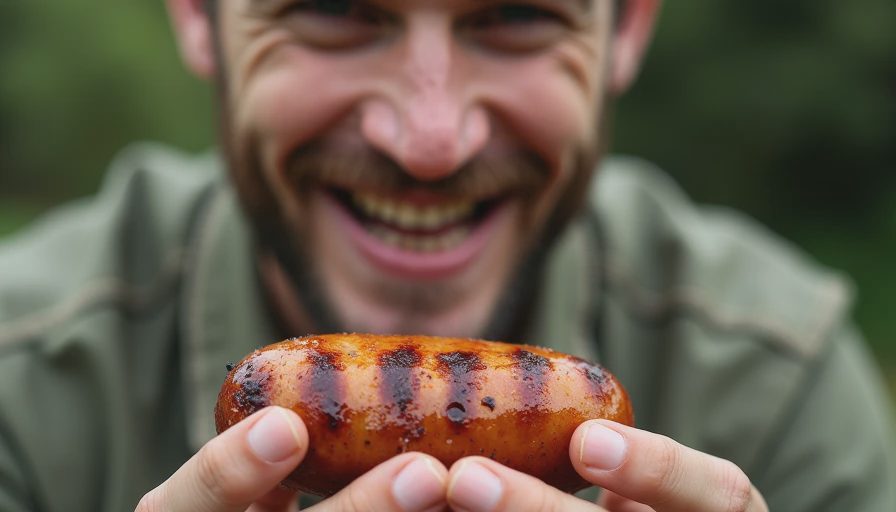
My best smoked sausage has a firm but not tough casing, visible seasoning, and a clean snap when you bite through it. The interior should be moist without leaking a puddle of grease onto the plate. Pork is the usual starting point, though beef, chicken, turkey, and mixed-meat links can all work when the texture is right.
Look at the ingredient list before you get attached to the package. Pork fat, salt, garlic, black pepper, paprika, and herbs are familiar friends. A long list of fillers is not automatically a deal breaker, but the first bite should taste like meat and smoke rather than liquid smoke and sugar. Fresh links usually need more careful cooking, while fully cooked smoked sausage is easier for a weeknight meal.
The casing matters, too. Natural casings give that classic snap, while collagen casings tend to be smoother and more uniform. Neither is automatically better. For a backyard cookout, I like natural casing because it gives the sausage character. For slicing into beans or pasta, a smooth casing is perfectly practical.
How to cook it without drying it out
The mistake I made for years was throwing cold sausage directly over a roaring fire. The outside split, the fat burned, and the center was barely warm. You are running a little hot, bud. Start with moderate heat and give the link time.
For fully cooked smoked sausage, set a grill for indirect heat around 275 to 300 degrees Fahrenheit. Put the links away from the coals, close the lid, and warm them for about 20 to 30 minutes. Turn them once or twice. Finish over direct heat for 60 to 90 seconds per side, just long enough to brown the casing. You are aiming for a hot, juicy center, not a wrinkled shell.
On the stovetop, add a half-inch of water, beer, or broth to a skillet and bring it to a gentle simmer. Add the sausage, cover it, and warm it for 8 to 10 minutes. Remove the lid, let the liquid cook away, then brown the links in their own fat. This method is especially forgiving when dinner needs to happen before the kids start eating crackers out of the pantry.
For raw sausage, use a thermometer rather than guessing. Pork and beef sausage should reach 160 degrees Fahrenheit in the center. Poultry sausage should reach 165 degrees. Insert the probe from the side into the thickest part, and avoid touching the pan or grill grate.
Smoke woods, seasoning, and flavor
Sausage absorbs smoke quickly, so a little wood goes farther than you think. Pecan is my default because it is mellow, nutty, and hard to overdo. Oak gives a deeper Central Texas flavor and stands up to beef sausage. Apple works well with pork and poultry, especially if you are serving the links with a sweet mustard or baked beans.
I would skip heavy mesquite unless the fire is small and the cook is short. Too much can make the casing taste bitter before the inside is warm. Two small chunks of wood are usually enough for a kettle grill. On a pellet grill, 30 to 45 minutes of smoke at 225 to 250 degrees gives the sausage plenty of character before you raise the heat to finish it.
Do not poke holes in the casing before cooking. That old habit lets valuable fat and moisture escape. If a link bursts, it usually means the heat climbed too high or the sausage was turned too aggressively. Let it brown naturally and move it to a cooler spot when the casing starts to tighten.
How to choose the right link at the store
When I am shopping for the best smoked sausage, I first decide how it will be served. A coarse garlic-and-pepper pork sausage is excellent with white bread, pickles, and onions. A heavily seasoned andouille-style link belongs in gumbo, jambalaya, or red beans. A mild chicken or turkey link makes more sense for a lighter skillet meal, though it still needs enough fat to avoid a dry bite.
Compare price by weight, not package. One 12-ounce package might cost $7 while a 16-ounce package costs $8.50, making the larger package the better value even before leftovers enter the picture. Check the sell-by date, look for a tight package without excessive liquid, and choose links with an even color. Gray patches or a swollen package are reasons to leave it behind.
Local butcher shops can be worth the extra few dollars when you want a coarse grind or a particular smoke level. Grocery-store brands are often more convenient and consistent. I have had excellent links from both, and I have also had disappointing links from both. The label gets you started; the texture and seasoning decide the rest.

Three easy ways to serve it
For a quick Saturday lunch, slice the best smoked sausage on a bias and brown it in a cast-iron skillet. Add sliced onions and bell peppers during the last six minutes, then pile everything onto toasted hoagie rolls with mustard. The angled slices create more browned edges without turning the sausage into crumbs.
For a family dinner, layer sliced sausage, small potatoes, corn, and green beans on a sheet pan. Toss everything with oil, garlic, paprika, and black pepper, then roast at 425 degrees for 25 to 35 minutes. Stir once halfway through. Sam picks out the green beans, June eats the corn first, and somehow the pan still ends up empty.
For game day, warm the links whole and serve them with sauerkraut, pickled jalapenos, mustard, and a bowl of pinto beans. Keep the toppings sharp and acidic because sausage is rich. A cold drink and a stack of napkins do more for this meal than another complicated sauce.
My practical buying advice
If you are new to smoked sausage, start with a fully cooked pork link seasoned with garlic and black pepper. It is forgiving, familiar, and useful in everything from sandwiches to breakfast hash. Once you know what texture you like, try a beef link with oak smoke or a spicy andouille-style sausage.
The best smoked sausage is the one that fits the meal, the cook, and the people sitting at the table. Warm it gently, use less smoke than your first instinct suggests, and give it a sharp side dish for balance. I have burned enough links to know that patience beats a blazing fire every time. Good smoke. Good sweets. Good people.


No notes yet — write the first one.