The first time I tried to learn how to cook brisket in smoker, I made the classic mistake: I chased the temperature instead of managing the fire. The outside looked like a meteorite, the flat was dry, and we ended up dipping every bite in sauce. Brisket is not difficult, but it is stubborn. Give it steady heat, clean smoke, and enough rest, and the meat will do most of the work for you.
This method fits a regular backyard smoker, a 10- to 14-pound whole packer brisket, and a Saturday when dinner does not have to land at exactly 6:00. Start earlier than you think. A brisket can finish in 8 hours or take 14, and the clock is only a rough guide.
Choose and trim the brisket
Buy a whole packer brisket with both the point and flat attached. Look for flexible meat with a reasonably even fat cap and no deep gouges. USDA Choice works well, while Prime usually gives you a little more forgiveness because of its extra marbling. For six to eight hungry adults, a 10- to 12-pound brisket is a comfortable size after trimming and cooking loss.
Trim it cold, straight from the refrigerator. Remove the hard, waxy fat between the point and flat because it will not render properly. Leave roughly one-quarter inch of fat on top, then square off thin edges that could burn. I trim the thick deckle fat firmly but do not carve away every soft pocket. Those pockets help protect the flat during a long cook.
Season with equal parts kosher salt and coarse black pepper. For a 12-pound brisket, about three tablespoons of each is a useful starting point. Garlic powder is fine, but this is not the place for a spice cabinet dump. The smoke, beef, salt, and pepper should still taste like themselves.
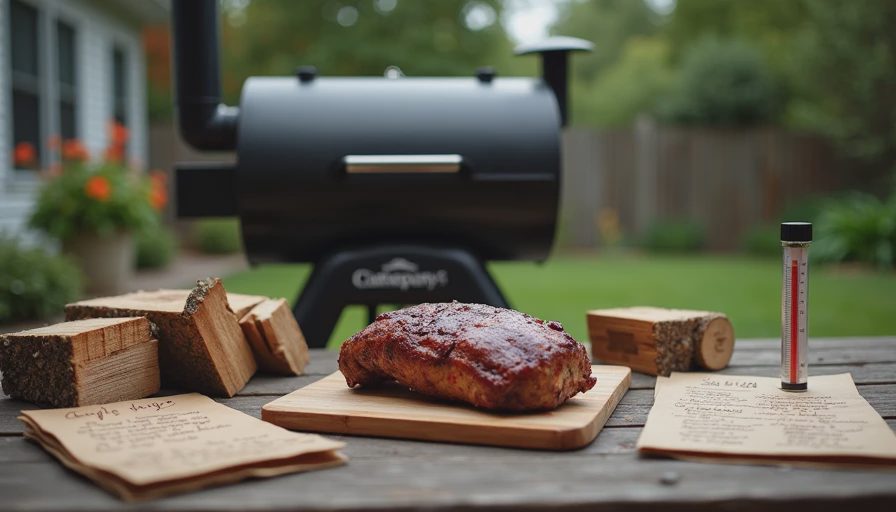
Build a steady fire and clean smoke
The heart of how to cook brisket in smoker is temperature control. Set the cooking chamber between 250 and 275 degrees Fahrenheit. I usually aim for 265 degrees because it keeps the cook moving without rushing the meat. Use a small, hot fire rather than a huge pile of smoldering wood. A dirty fire creates thick white smoke and a bitter crust; a clean fire gives you thin, nearly invisible smoke.
For an offset smoker, start with a chimney of charcoal and add two or three fist-sized chunks of oak. Add a split of oak once the fire settles, then adjust the intake vent before touching the chimney vent. Keep the exhaust open so smoke can flow. Mesquite can be excellent in small amounts, but it gets aggressive fast. Oak is the safer choice for a long brisket cook, especially if you are still learning your smoker.
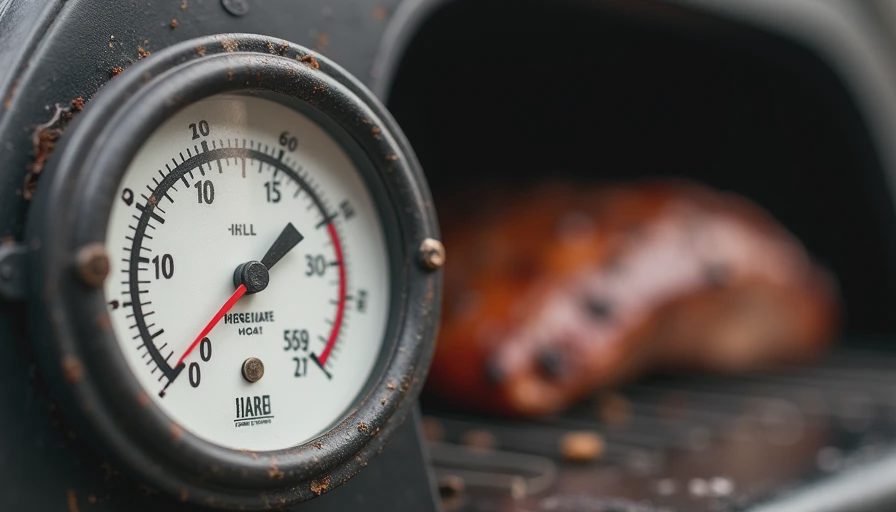
Put a reliable probe at grate level, not just in the lid thermometer. Lid gauges often read hotter or cooler than the meat actually experiences. Once the chamber is holding steady for 20 to 30 minutes, place the brisket on the grate with the fat side toward the hotter part of the cooker. In most offsets, that means fat side toward the firebox.
Cook until the brisket is ready to wrap
Place the brisket on the smoker with the thicker point facing the firebox. Close the lid and leave it alone for at least two hours. Every peek costs heat, smoke, and time. Spritzing is optional; I use a little water or diluted apple cider vinegar only when the surface looks dry and dusty. The brisket does not need to be shiny all day.
After about four hours, check the bark. When it is dark mahogany, dry to the touch, and no longer wipes away with a finger, wrapping becomes an option. That usually happens around 165 to 175 degrees internally, but bark matters more than the number. If you want a firmer bark, keep cooking unwrapped. If the flat is dark enough and the cook is slowing down, wrap it in unwaxed butcher paper or foil.
Paper preserves more bark and lets some moisture escape. Foil speeds the cook and holds in more juices, but it can soften the crust. This is a useful point in how to cook brisket in smoker: wrapping is a tool, not a rule. I prefer paper for a weekend brisket unless dinner timing is getting tight.
Finish by feel, not by a magic number
After wrapping, return the brisket to the smoker and keep the chamber near 265 degrees. The internal temperature may stall around 150 to 170 degrees as moisture evaporates from the surface. Do not panic and crank the heat to 350. You can wait it out, wrap more tightly, or move the wrapped brisket to a 275-degree oven. Once it is wrapped, the oven cannot add smoke, but it can finish the job reliably.
Start checking for tenderness around 195 degrees. A probe should slide into the flat with little resistance, like pushing into softened butter. Many briskets finish between 198 and 205 degrees, but temperature is only a guide. If the flat still feels tight at 203, keep cooking. If it feels tender at 198, pull it. The point may feel loose long before the flat, so test several spots in the flat.
This is where many explanations of how to cook brisket in smoker go wrong. They promise a guaranteed finish temperature, then leave a new cook with dry meat or chewy slices. Tenderness decides when the fire is done.
Rest the brisket before slicing
Resting is not a polite suggestion; it is part of the cook. Set the wrapped brisket in a pan or empty cooler and let it rest for at least one hour. Two hours is even better if dinner timing allows. If you use a cooler, fill the empty space with clean towels, and make sure the brisket is sealed so it does not pick up a fabric smell.
During the rest, carryover cooking will finish the connective tissue while the juices settle back into the meat. Unwrap it briefly if the internal temperature is climbing too high, then re-cover it loosely. A brisket that rests 90 minutes will usually slice more cleanly than one attacked immediately after leaving the smoker.
When it is time to slice, separate the point and flat if needed. Slice the flat across the grain into pencil-thick pieces. The grain changes direction near the point, so rotate that section before slicing. If a slice bends over your finger without breaking and still looks moist, you are in good shape. If it crumbles, your slices are too thin or the brisket went a little too far.
A simple timeline for a Saturday cook
For a 12-pound brisket, trim and season it Friday night. Light the smoker around 5:00 or 6:00 Saturday morning, then place the meat on once the chamber holds 265 degrees. Expect to wrap somewhere between late morning and early afternoon. Begin tenderness checks in the afternoon, but leave a generous buffer before dinner.
If the brisket finishes early, that is a gift. A wrapped brisket can rest for several hours in a properly insulated cooler. If it is running late, finish it in a 275-degree oven rather than making everyone wait beside a cold potato salad. My kids have learned that barbecue timing is flexible; football kickoff is not.
Keep notes on the weight, smoker temperature, wood, wrap time, and finish temperature. After two or three cooks, you will know how your particular smoker runs. That personal record is more useful than copying someone else's exact schedule.
The short version of how to cook brisket in smoker is simple: trim the hard fat, season plainly, burn a clean oak fire, hold 250 to 275 degrees, wrap when the bark is ready, and cook until the flat feels tender. Rest it properly, slice across the grain, and serve it without drowning the meat in sauce. Good smoke. Good sweets. Good people.

No notes yet — write the first one.