The first beef cross rib roast I cooked came out looking handsome and eating like a boot. I had blasted it at high heat, guessed at doneness, and sliced it before the juices settled. That is three good ways to make an affordable roast disappointing. The fix is simple: season it well, cook it gently, add moisture to the pan, and use a thermometer instead of the clock.
A beef cross rib roast comes from the shoulder area, so it has good beef flavor but more connective tissue than a naturally tender rib roast. It is leaner than chuck and usually costs less than prime rib. With the right method, it makes a solid Sunday dinner for four to six people, with enough left over for sandwiches or tacos the next day.
How to choose a beef cross rib roast
At the store, look for a roast weighing about 2 1/2 to 4 pounds with a firm surface and some visible marbling. A little fat inside the muscle helps, but do not expect the thick fat cap you might see on brisket. The roast may also be labeled shoulder roast, cross rib pot roast, or boneless shoulder roast, depending on the butcher.
Treat this beef cross rib roast as a braising cut that can be roasted gently. If the package says “cross rib steak,” that is a different, thinner cut and needs different timing. Ask the meat counter for a boneless cross rib roast if you are unsure. I prefer one around 3 pounds because it fits a Dutch oven comfortably and gives me enough browned surface for good gravy.
Take the roast from its packaging, pat it dry, and trim away loose silver skin. Do not shave off every bit of exterior fat. There probably is not much, and the small amount that remains helps protect the meat during the long cook. Salt it at least 45 minutes ahead, or season it the night before and leave it uncovered in the refrigerator. That overnight salt does more for flavor than another dozen spices.
Seasoning and browning that actually matter
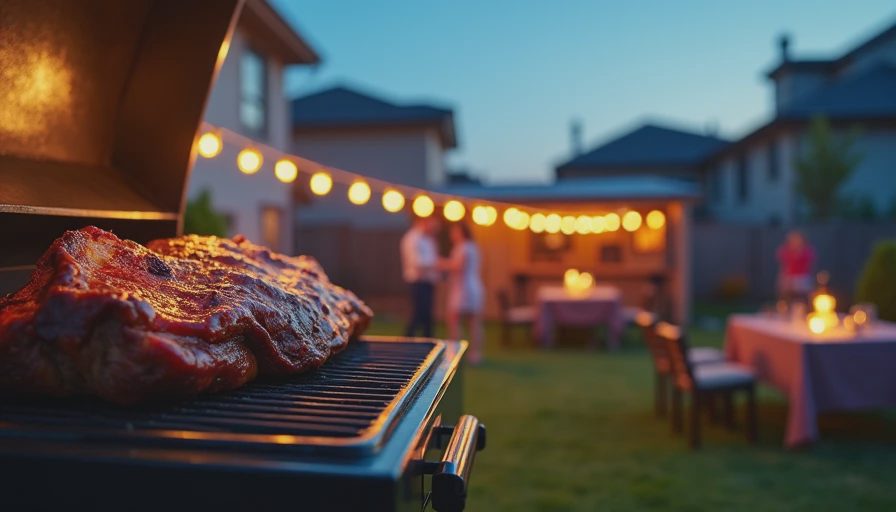
For a 3-pound beef cross rib roast, I use 2 teaspoons kosher salt, 1 teaspoon coarse black pepper, 1 teaspoon garlic powder, 1 teaspoon onion powder, and a half teaspoon smoked paprika. That gives you a savory crust without turning dinner into a spice experiment. A teaspoon of dried thyme or rosemary works well too, especially if you are serving mashed potatoes.
Heat a heavy Dutch oven over medium-high heat with a tablespoon of neutral oil. Brown the roast for three to four minutes on each broad side, then briefly brown the edges. You are not cooking the center here. You are building the dark bits that make the pan sauce taste like something rather than salty water. Move the meat to a plate before adding liquid.
Add one sliced yellow onion and two chopped carrots to the pot. Cook them for four minutes, scraping up the browned spots. Add three minced garlic cloves for the final 30 seconds. Pour in 1 1/2 cups beef broth, then add a tablespoon of tomato paste and a teaspoon of Worcestershire sauce. The liquid should come about one-third of the way up the roast, not cover it.
How to cook beef cross rib roast
Set beef cross rib roast into the vegetables and liquid, then cover the Dutch oven tightly. Put it in a 325°F oven. After 90 minutes, check the liquid level and turn the roast if the top looks dry. Continue cooking until a fork slides into the thickest section with only slight resistance. For a 3-pound roast, that usually takes 2 1/2 to 3 1/2 hours, but the meat decides when it is ready.
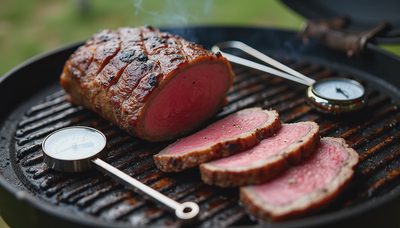
The target is not the medium-rare temperature you would use for tenderloin. This cut needs time for connective tissue to soften. Start checking around 195°F internal temperature, but do not pull it just because a number appeared on the thermometer. If the roast is still tight when you probe it, cover it again and give it another 20 to 30 minutes. A finished roast often lands between 195°F and 205°F.
If your beef cross rib roast reaches temperature but still feels firm, that is not a failure. It simply needs more time in its braising liquid. I made this mistake during a Longhorns game, pulled the roast early, and spent the fourth quarter chewing politely. Put it back in the oven. Dinner can wait twenty minutes; tough beef should not be served just because the timer rang.
Resting, slicing, and making the gravy
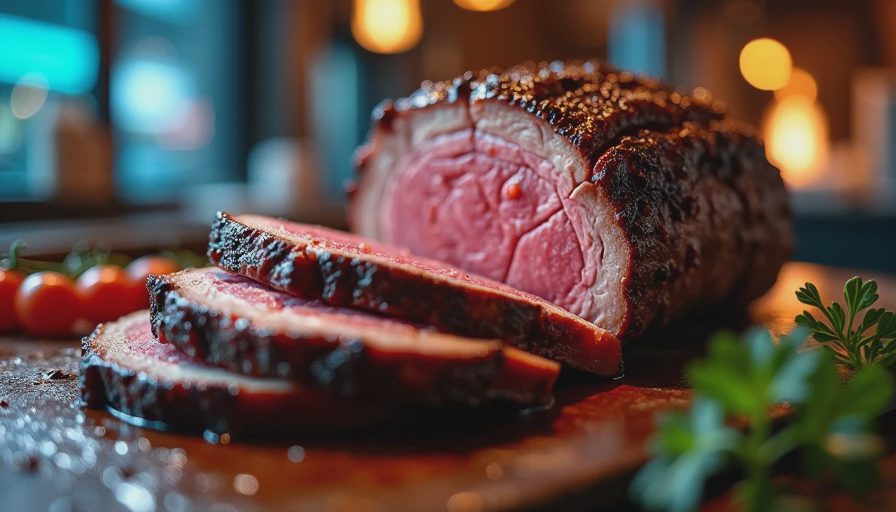
Move the roast to a cutting board and tent it loosely with foil. Rest it for 20 to 30 minutes. This gives the juices time to settle and lets the meat finish relaxing. Slice across the grain in pieces about a quarter-inch thick. The grain can change direction slightly, so look closely before cutting. If the roast falls apart instead, serve it like pot roast and call it a win.
For gravy, strain the cooking liquid into a large measuring cup and skim off excess fat. Put the vegetables back in the pot if you like a rustic sauce, or discard them for a smoother result. Mix two tablespoons of cornstarch with two tablespoons of cold water. Bring two cups of strained liquid to a simmer, whisk in the slurry, and cook for two minutes. Add black pepper and salt only after tasting.
Serve the slices with mashed potatoes, roasted carrots, or buttered egg noodles. The broth-based gravy is rich without needing cream, and leftovers reheat better when stored in their sauce. I like cold slices on toasted bread with horseradish, while the kids usually turn the leftovers into quesadillas.
Common mistakes with this roast
The biggest mistake is cooking it uncovered the entire time. Dry heat alone can make the lean shoulder meat stringy before the connective tissue softens. The next mistake is using a shallow pan with barely any liquid, which gives you little protection and no useful gravy. A covered Dutch oven or tightly sealed roasting pan solves both problems.
Do not slice the roast immediately after removing it from the oven. Do not rely on a pop-up timer. Do not confuse a cross rib roast with prime rib and expect the same medium-rare texture. And do not drown the meat in liquid from the start; braising is not boiling. Keep the liquid low, keep the lid tight, and let the oven do the slow work.
A practical Saturday dinner plan
Season the roast Friday night if you remember. On Saturday, brown it around 1:30 p.m., add the broth and vegetables, and put it in the oven by 2 p.m. Check it at 4:30, then let it rest while you finish potatoes and gravy. That schedule gets dinner on the table around 5:30, leaving room for a fishing trip in the morning or a backyard football game before supper.
This is not a fancy cut, and that is exactly why I like it. It rewards patience, gives you a forgiving pan of vegetables and gravy, and costs less than the cuts people usually reserve for company. Good smoke. Good sweets. Good people. And on a cold weekend, a properly cooked roast belongs right in the middle of the table.

No notes yet — write the first one.