The first time I tried to roast cross rib, I treated it like a rib roast. That was my mistake. I blasted it with heat, sliced it early, and served beef that was technically cooked but chewier than a boot heel. Cross rib comes from the shoulder area, so it has good beef flavor but less natural tenderness than a ribeye roast. The fix is simple: roast cross rib gently, give it enough time, and let the finished meat rest before cutting.
This is the kind of Saturday dinner that works when the kids are doing homework at the table and a football game is on in the background. You do not need a smoker, fancy rub, or expensive equipment. A roasting pan, a rack, a reliable thermometer, and a little patience will get you there.
Choose and Season the Beef
Look for a cross rib roast weighing about 2 1/2 to 4 pounds. Some butchers label it shoulder roast, shoulder center roast, or cross-rib roast. The names are close enough for this method, but ask whether the cut is boneless and whether it has a thick seam of connective tissue. A roast with some marbling will stay juicier than a very lean piece.
Pat the beef dry with paper towels. For a 3-pound roast, I use 1 1/2 teaspoons of kosher salt, 2 teaspoons of coarse black pepper, 1 teaspoon of garlic powder, and 1 teaspoon of smoked paprika. Rub the mixture over every side, then place the roast uncovered in the refrigerator for at least four hours. Overnight is better. That dry-brining step seasons beyond the surface and helps the outside brown.
Take the roast from the refrigerator 45 to 60 minutes before cooking. It will not become room temperature all the way through, and that is fine. The goal is simply to remove the refrigerator chill while you heat the oven to 275 degrees F.
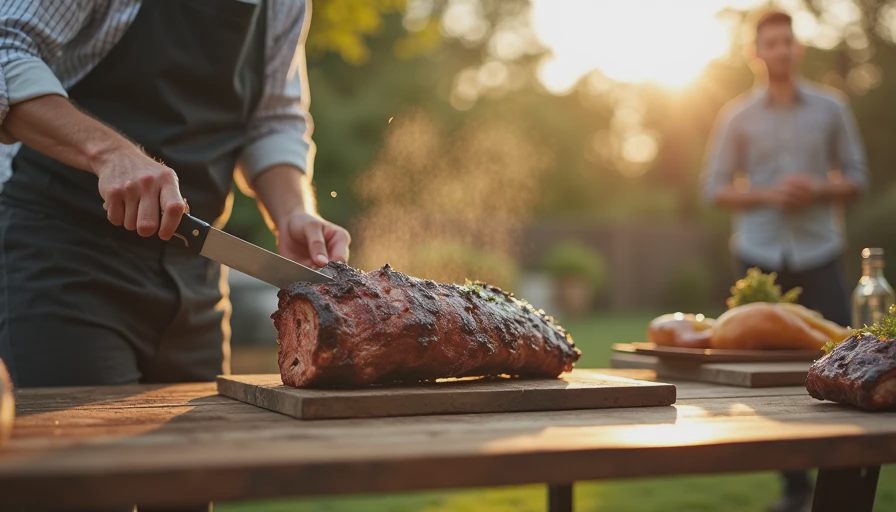
The Best Way to Roast Cross Rib
Set the seasoned beef on a rack inside a roasting pan. Add one sliced onion, two smashed garlic cloves, and 1 cup of unsalted beef stock to the bottom of the pan. Keep the liquid below the meat instead of letting it steam the roast. I also like a sprig of rosemary, though thyme works just as well.
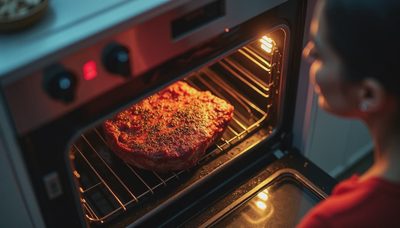
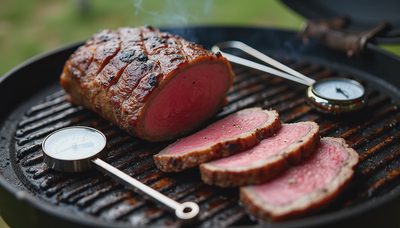
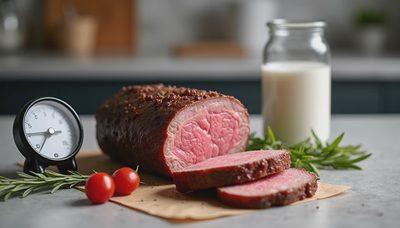
Place the pan in the 275-degree oven and cook until the center reaches about 125 degrees F for medium-rare or 135 degrees F for medium. A 3-pound roast usually takes 2 1/2 to 3 1/2 hours, but the thermometer matters more than the clock. Shape, thickness, and starting temperature can move that timing around.
For a stronger crust, remove the pan when the beef is about 10 degrees below your target. Transfer the roast to a plate and raise the oven to 450 degrees F. When the oven is hot, return the beef for 8 to 12 minutes, turning the pan once if one side browns faster. This reverse-sear approach gives you a deeper exterior without overcooking the middle.
Do not cut into the roast to check it. Every slice releases juice, and you still will not know the internal temperature accurately. Insert the probe into the thickest part, avoiding a pocket of fat or the pan itself.
Resting, Slicing, and Gravy
Rest the roast for at least 20 minutes, loosely covered with foil. For a larger 4-pound roast, I give it 25 to 30 minutes. The temperature will usually rise another 5 degrees or so, and the juices will settle back into the meat. Cutting immediately is how a good roast turns into a cutting-board puddle.
Slice across the grain in thin pieces. The grain can change direction in a shoulder cut, so look closely before slicing. If one section seems unusually stringy, rotate the roast and cut across the new direction. Thin slices make a noticeable difference with cross rib because they shorten the muscle fibers your teeth have to deal with.
For quick gravy, pour the pan juices through a strainer into a measuring cup. Skim off excess fat, then return 2 tablespoons of fat to the roasting pan over medium heat. Whisk in 2 tablespoons of flour and cook for 1 minute. Gradually whisk in the reserved juices and enough beef stock to make about 2 cups. Simmer until thick, usually 4 to 6 minutes. Taste before adding salt because the drippings can already be seasoned.
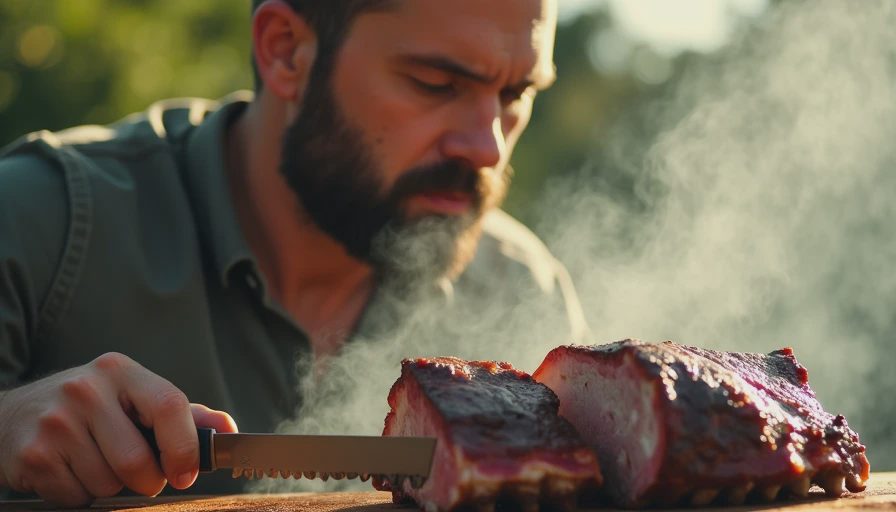
What Usually Goes Wrong
The most common failure when people roast cross rib is using the wrong temperature strategy. A 400-degree oven can brown the outside quickly, but the shoulder muscles have not had time to soften. You end up with a dark crust surrounding firm, dry slices. Low heat followed by a short hot finish is much more forgiving.
Another problem is pulling the roast at an arbitrary time. A 2-pound piece may be ready well before a thick 4-pound piece. Use the thermometer and start checking after about 2 hours. If the center is only 100 degrees, close the oven and keep cooking. If it is already 120 degrees, begin watching closely.
Avoid adding too much liquid. You are roasting, not boiling. A cup of stock creates useful moisture for gravy, but covering the meat tightly changes the texture and steers the dish toward pot roast. If you want fall-apart beef, use a braising recipe instead and cook the roast covered until it reaches roughly 195 to 205 degrees F.
Dinner Ideas and Leftovers
A properly cooked roast cross rib makes a solid Sunday meal with mashed potatoes, roasted carrots, and green beans. For something less formal, pile thin slices onto toasted rolls with melted provolone and a spoonful of the pan gravy. Horseradish cream, pickled onions, or a sharp mustard helps balance the rich beef.
Leftovers should cool promptly and go into a covered container in the refrigerator. Use them within three to four days. Cold slices are excellent in a lunch sandwich, while chopped pieces can warm gently in gravy for tacos, hash, or a bowl of rice. Reheat with a splash of stock and low heat; a microwave blast turns yesterday's tender meat into shoe leather fast.
If your roast cross rib comes out slightly tougher than planned, do not throw it away. Slice it very thin, add it to hot gravy, and let it simmer gently for 20 to 30 minutes. That will not recreate medium-rare beef, but it can turn a disappointing roast into a respectable dinner.
The short version is this: season early, cook at 275 degrees, trust the thermometer, finish hot for color, and rest before slicing. Roast cross rib is not a cut that rewards rushing, but it gives back plenty of flavor when you treat it like shoulder beef instead of pretending it is prime rib. Good smoke. Good sweets. Good people.

No notes yet — write the first one.