The first time I grilled pork chops for my family, I treated them like little steaks and cooked them until they were gray all the way through. That is the fastest way to turn dinner into dry chewing practice. Learning the right pork temperature grill target gives you juicy meat, a safe meal, and enough confidence to stop poking every thirty seconds. The trick is knowing which cut you have, where to place the thermometer, and when to pull the meat before carryover cooking finishes the job.
The safe temperature for grilled pork
For whole cuts of pork, including chops, tenderloin, pork loin, and roasts, the USDA safe minimum internal temperature is 145 degrees Fahrenheit, followed by a three-minute rest. That number applies to the thickest part of the meat, not the surface touching the grate. Ground pork needs to reach 160 degrees because grinding spreads bacteria throughout the meat.
I usually pull grilled chops at 140 to 143 degrees, then set them on a plate for three to five minutes. Their internal temperature normally rises those final few degrees while the juices settle. If you prefer a firmer, more thoroughly cooked texture, taking pork to 150 degrees is fine, but pushing lean cuts much beyond 155 can make them dry quickly. The most useful pork temperature grill habit is trusting a reliable instant-read thermometer instead of judging doneness by color.
Insert the probe through the side of a chop or tenderloin so the tip lands in the center. Avoid touching the bone, because bone can give you a misleading reading. Check two spots when cooking several pieces, especially if one chop is noticeably thicker than the others.
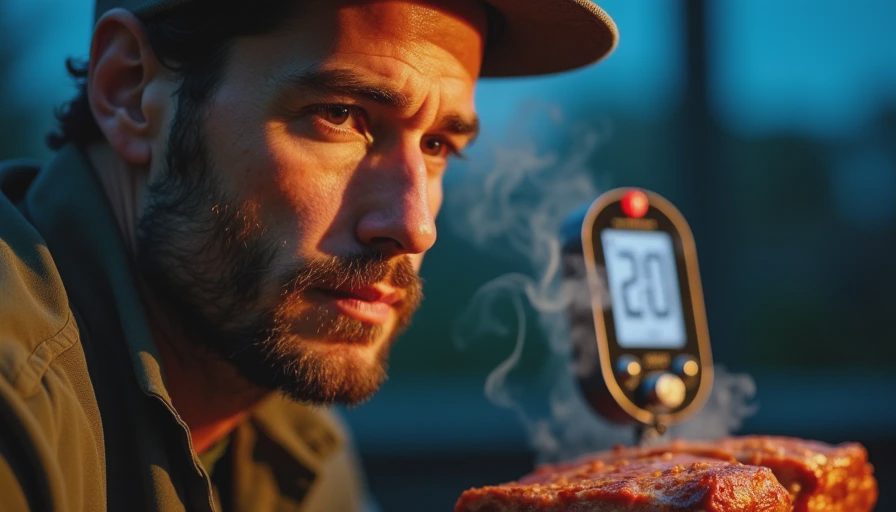
Pork temperature grill targets by cut
Pork chops that are about one inch thick usually need roughly four to six minutes per side over medium-high heat, around 400 to 450 degrees. Start checking at 135 degrees, then move them to a cooler section if the outside is browning too fast. The final pork temperature grill target is 145 degrees after resting.
Pork tenderloin is lean but forgiving if you do not overcook it. Sear it over direct heat for two to three minutes per side, then finish over indirect heat until the center reaches 145 degrees. A one-pound tenderloin often takes 20 to 30 minutes total, but thickness matters more than weight. Rest it before slicing into medallions.
A boneless pork loin roast needs gentler heat. Grill it indirectly at about 350 degrees until the center reaches 140 to 145 degrees. A two-pound roast may take 45 to 70 minutes. Turn it occasionally if your grill has a hot side, and use a shallow pan beneath it to catch drippings.
Ribs are different. They are safe long before they become tender. Baby back ribs often cook for three to five hours at 250 to 275 degrees, while spare ribs may take four to six hours. Use tenderness, bone pullback, and a flexible rack as your guides rather than chasing one pork temperature grill number.
Managing the grill without drying dinner
The mistake I see most often is running the grill too hot because everyone is hungry. A blazing 600-degree grate can blacken a sugary rub before the center is ready. Build two zones instead: one side with direct heat and one side with no active burner or coals. Sear over the hot zone, then finish over the cooler side with the lid closed.
For charcoal, spread the coals over roughly two-thirds of the kettle and leave a clear area for indirect cooking. For gas, light one or two burners and leave the final burner off. Keep the lid closed between checks. Every peek dumps heat and turns a predictable cook into a guessing game.
Seasoning matters, too. A simple mixture of kosher salt, black pepper, paprika, garlic powder, and a little brown sugar works well, but sugar burns if it sits directly over high heat too long. Add a barbecue sauce during the last five to ten minutes, not at the beginning. I learned that while trying to get dinner ready before a Longhorns kickoff; the sauce looked beautiful until it turned black.
How to check pork without losing its juices
Use a thermometer quickly, but do not stab the meat repeatedly. Insert it from the side into the thickest center, wait for the number to stop moving, and remove it. If the reading is below your target, close the lid and check again after two minutes. For a thick tenderloin or roast, leave the probe in place if it is rated for grill heat, but keep the cable away from flames.
The pork temperature grill reading can change depending on where you measure. A thin end may already be 150 degrees while the thick center is only 135. When cooking a family meal, check the largest piece first. If one chop is done early, move it to a plate and tent it loosely with foil. Do not wrap it tightly, or the crust will steam and soften.
A quick note about pink pork: color alone does not prove that meat is unsafe. Fully cooked pork can remain slightly pink, especially when grilled or smoked. Temperature is the better guide. Clean the thermometer stem between raw and cooked meat, and use separate plates for uncooked and finished food.
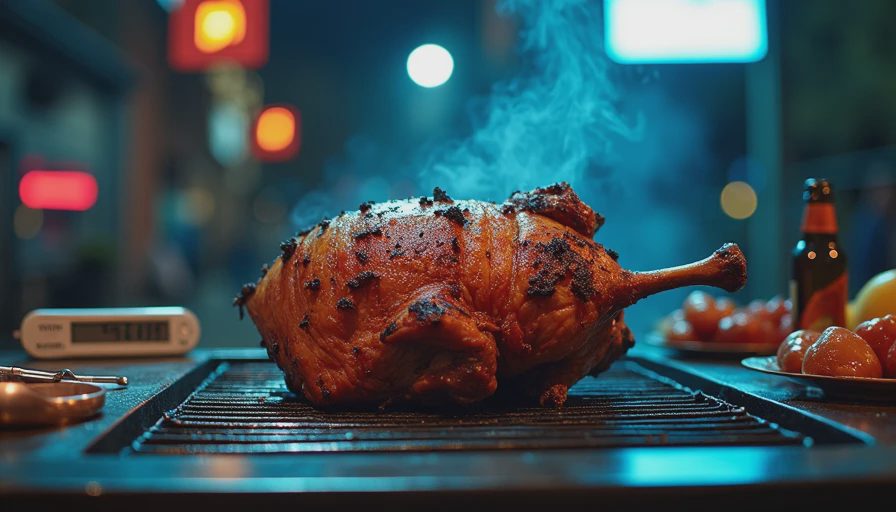
A simple grilled pork timeline
Take chops or tenderloin from the refrigerator about 20 to 30 minutes before grilling. Pat them dry so they sear instead of steaming, then season both sides. Preheat the grill with the lid closed for 10 to 15 minutes. Clean the grates and oil them lightly with a paper towel held by long tongs.
Sear the pork over direct heat until it has clear grill marks, usually two to four minutes per side depending on thickness. Move it to indirect heat, close the lid, and begin checking the center. For a one-inch chop, start at the eight-minute mark. For tenderloin, check after 15 minutes of indirect cooking. Pull the meat at 140 to 143 degrees and rest it for three to five minutes.
This pork temperature grill routine works especially well when June and Sam are setting the table, because it gives me a few minutes of breathing room without sacrificing dinner. Slice against the grain, spoon over any collected juices, and serve while the crust is still lively.
Fixing common grilled pork problems
If the outside is burned but the center is raw, the fire is too hot or the meat is too close to direct heat. Move it to the cool zone and lower the grill temperature to about 350 degrees. If the pork is dry throughout, it was probably cooked past its best target, sliced immediately, or cut too thin for the heat used. Next time, pull it earlier and rest it.
If the crust is pale, dry the surface more thoroughly and give the grill time to preheat. If the meat sticks, it may have been moved too soon. Let the surface sear for a couple of minutes before turning. A clean, lightly oiled grate helps, but excessive oil can flare up.
For pulled pork, do not confuse the safety temperature with the finishing temperature. A shoulder is safe at 145 degrees, but connective tissue usually needs to break down around 195 to 205 degrees for shreddable texture. Cook it low and slow, rest it for at least 30 minutes, and let a probe slide in with little resistance. That is the pork temperature grill lesson that took me the longest to learn: safe and tender are not always the same destination.
Good smoke. Good sweets. Good people. Put a thermometer beside the tongs, control the heat with two zones, and your next pork cook will be far more dependable.

No notes yet — write the first one.