The first time I made beef ribs, I treated them like giant pork ribs. Too much sugar, too much heat, and a rack that came off black outside and stubbornly tough inside. The right rub for beef ribs should support the meat, not bury it under a candy shell. Beef ribs already bring plenty of beefy flavor, fat, and richness, so the seasoning needs to be salty, peppery, and sturdy enough to stand up to several hours of smoke.
This blend is the one I use on weekend cooks at home. It works on plate ribs, back ribs, and smaller beef rib sections from the grocery store. You do not need a $3,000 offset smoker, either. A kettle grill, pellet smoker, or basic electric smoker can make excellent ribs if you control the heat and avoid rushing the finish.
The best rub for beef ribs
For about one full rack of beef ribs, mix four tablespoons of coarse black pepper, two tablespoons of kosher salt, one tablespoon of granulated garlic, two teaspoons of onion powder, one teaspoon of smoked paprika, and half a teaspoon of chili powder. That is enough for a savory bark with a little warmth, but not enough heat to make June reach for a glass of milk before dinner.
Use coarse pepper rather than finely ground pepper. The larger pieces create the classic Texas-style bark and keep the seasoning from tasting dusty. If your kosher salt is very dense, such as a fine-grained brand, use a little less. Salt crystal size changes the amount that fits in a spoon, and an overly salty rack is difficult to rescue.
I skip brown sugar for long cooks. Sugar can darken too quickly at barbecue temperatures, especially when a rib rack sits near a hot spot. If you are cooking in the oven at a lower temperature and want a slightly sweeter finish, add one tablespoon of brown sugar to the mixture. For a smoker running around 250 degrees Fahrenheit, the savory version is more forgiving.
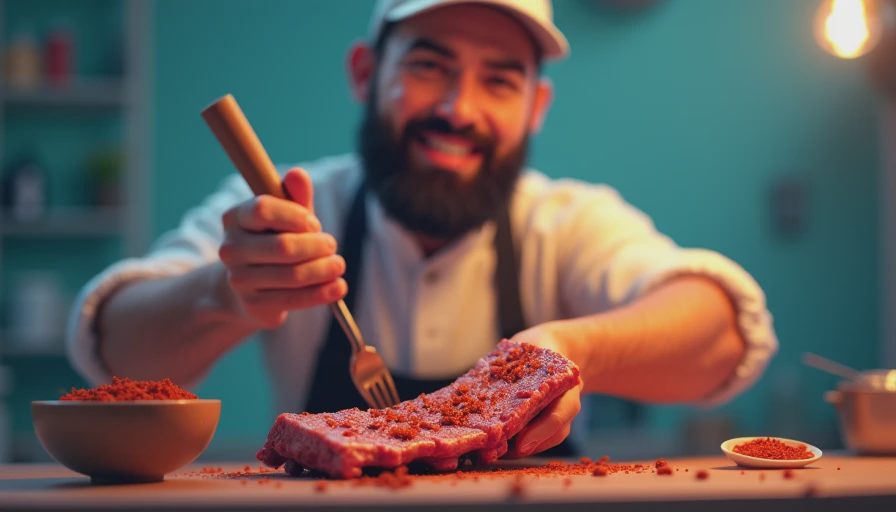
Pat the ribs dry, then spread a thin coat of yellow mustard or Worcestershire sauce over the meat side. You will not taste much mustard after the cook; it simply helps the seasoning stick. Apply the rub evenly instead of dumping it in one pile. You want a visible coating, but you should still see some of the meat underneath.
Preparing ribs before seasoning
Beef ribs often come with a thick membrane on the bone side. Slide a dull butter knife under one corner, grip the membrane with a paper towel, and pull slowly. If it tears, catch another edge and continue. Some back ribs arrive already trimmed, while plate ribs may have a heavy fat cap. Remove hard, waxy fat and loose scraps, but leave a reasonable layer of soft fat to protect the meat.
Season the ribs 30 minutes before cooking if you are in a hurry. A few hours in the refrigerator gives the salt more time to work into the surface, but it is not mandatory. I usually season them after breakfast, then light Old Hoss while the kids argue about who gets to place the wood chunks. That schedule gives the rub time to settle without turning dinner into an all-day science project.
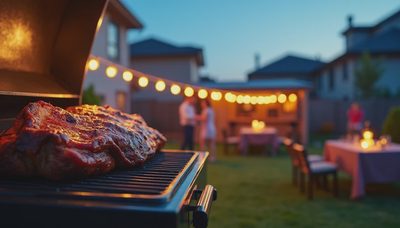
For a standard cook, set the smoker between 250 and 275 degrees. Oak is my first choice for beef because it provides clean, medium-strength smoke. Hickory works too, but use a lighter hand if your fire runs smoky. The goal is a clean wood fire or clean-burning chunks, not white clouds pouring from the stack.
How to use rub for beef ribs on the smoker
Place the ribs bone side down and leave them alone for the first two hours. Opening the lid every 20 minutes costs heat and extends the cook. After the bark looks dry and mahogany-colored, spritz only if the surface appears genuinely dry. Water, diluted apple cider vinegar, or plain beef stock all work; none is a magic ingredient.
At around 165 to 175 degrees internal temperature, the meat may slow down as moisture evaporates from the surface. This stall is normal. If you need dinner at a specific time, wrap the ribs in unwaxed butcher paper once the bark is set. Foil will cook them faster and hold more moisture, but it can soften the bark.
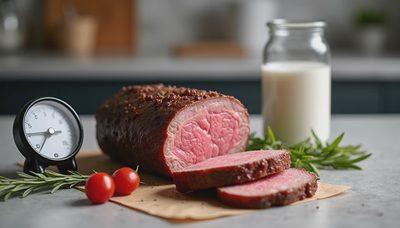
The useful finish test is tenderness, not a number on the thermometer. Start checking around 200 degrees. A probe should slide between the bones with little resistance, similar to pushing into softened butter. Depending on the size of the rack, that can take five to eight hours. Thin back ribs may finish sooner; thick plate ribs can take longer.
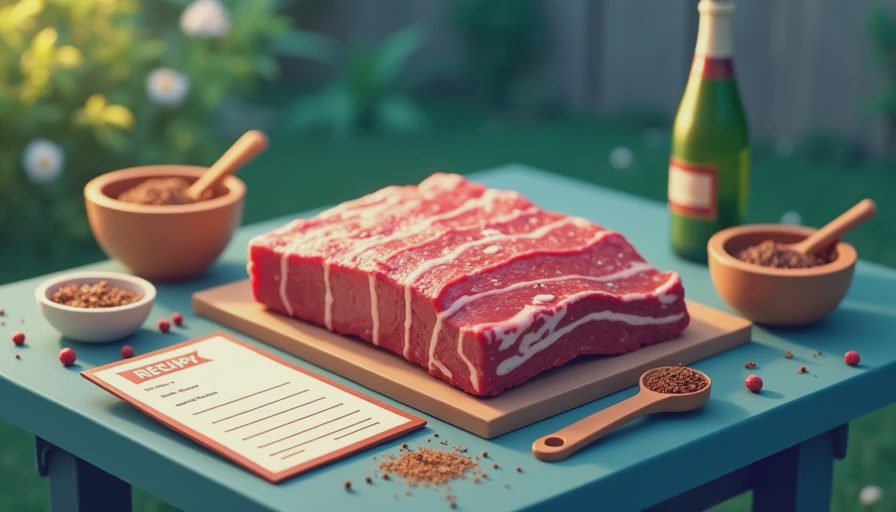
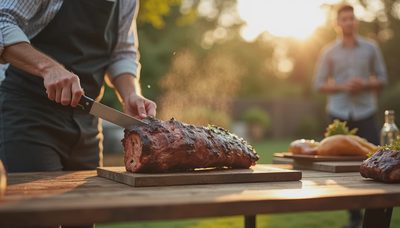
Rest the cooked ribs for at least 30 minutes, loosely covered. I have sliced too early more times than I care to admit, and the result is a cutting board covered in juice instead of meat that stays moist. Resting also gives the bark time to firm up. Slice between the bones with a sharp knife and serve the ribs as they are, or add a small spoonful of thin barbecue sauce at the table.
Adjusting rub for beef ribs to match your crowd
The basic rub is intentionally balanced, but you can move it in different directions. For a pepper-forward Central Texas profile, increase black pepper to five tablespoons and leave out the paprika. For a sweeter backyard flavor, add brown sugar and a teaspoon of ground mustard. For heat, use chipotle powder, cayenne, or crushed red pepper rather than piling on extra chili powder.
If children are eating, keep the base mild and put hot sauce on the table. Sam calls anything more intense than black pepper “dragon food,” so this approach lets everyone eat the same ribs. You can also divide the seasoning into two bowls and add cayenne to only one. That is easier than trying to explain why the family meal suddenly requires a fire extinguisher.
Do not add barbecue sauce during the entire cook unless you specifically want a saucy, sticky finish. Sauce can mask the bark and burn around the edges. Beef ribs have enough fat to taste rich without a heavy glaze, and a little sauce after slicing gives each person control.
Common mistakes that ruin the bark
The biggest mistake is using too much rub. A thick layer does not create better flavor; it creates a salty, bitter crust. For a full rack, you should generally use two to four tablespoons, depending on the size and surface area. Start light. You can always season the sliced meat, but you cannot remove excess salt from the bark.
Another mistake is cooking by time alone. “Six hours at 250” is a useful planning estimate, not a guarantee. Rib thickness, airflow, weather, and the starting temperature of the meat all matter. Use the thermometer to monitor progress, then use a probe to decide when the ribs are ready.
Finally, do not confuse smoke flavor with smoke volume. Clean smoke smells like toasted wood. Heavy gray smoke tastes acrid and can turn even a good rub for beef ribs harsh. Let the fire settle before putting on the meat, and keep your vents open enough for the fire to breathe.
A dependable Saturday rib plan
For a 6 p.m. dinner, season the ribs around 8 a.m. Start the smoker by 9:30, then put the rack on at 10. Cook at 250 to 275 degrees, checking the bark around noon and wrapping only if the color is right. Begin probing around 3 p.m., but allow a one-hour cushion because beef ribs finish when they are tender, not when the clock says so.
If the ribs finish early, wrap them and hold them in an empty cooler for up to two hours. Do not pack the cooler with loose ice; the goal is insulation, not chilling. While the meat rests, make coleslaw, warm tortillas, or put beans on the stove. Around here, football is usually on, June is hunting for the best rib bone, and Kate is reminding me that dinner does not need another thermometer alarm.
Save any leftover seasoning in a labeled jar and use it within a few months, especially if it touched raw meat. Rub for beef ribs is also good on chuck roast, burgers, and roasted potatoes. Keep the smoke clean, give the meat time, and let the seasoning do its job. Good smoke. Good sweets. Good people.
No notes yet — write the first one.