The first time I cooked beef back ribs, I treated them like pork ribs. That was the mistake. I used too much sugar, ran the smoker too hot, and ended up with black edges and a bark that tasted like burnt candy. A good dry rub for beef back ribs needs to respect the meat first. Beef already brings plenty of flavor, so the seasoning should build a dark crust, add a little heat, and let the smoke do its job.
This blend is the one I use for a Saturday cook when the kids are playing in the yard and I need dinner ready before football starts. It takes five minutes to mix, uses ordinary pantry spices, and works in a smoker, kettle grill, or oven. The recipe below makes enough for about 5 pounds of ribs, with a little left over for burgers or roasted potatoes.
A Balanced Dry Rub for Beef Back Ribs
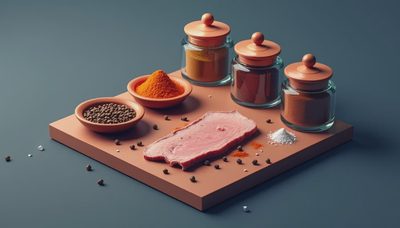
For one batch, combine 3 tablespoons kosher salt, 2 tablespoons coarse black pepper, 1 tablespoon smoked paprika, 2 teaspoons garlic powder, 2 teaspoons onion powder, 1 teaspoon chili powder, 1 teaspoon ground mustard, and one-half teaspoon cayenne. If your family prefers less heat, leave out the cayenne. My daughter June likes the smoky flavor but considers black pepper “spicy,” so I sometimes reduce the pepper by a tablespoon when cooking for the whole table.
This dry rub for beef back ribs is deliberately less sweet than many barbecue blends. You can add 1 tablespoon brown sugar if you are cooking at 250 degrees Fahrenheit or lower and want a slightly sweeter crust. I would not add more than that. Beef ribs have enough fat to brown beautifully, and excessive sugar can scorch before the connective tissue has softened.
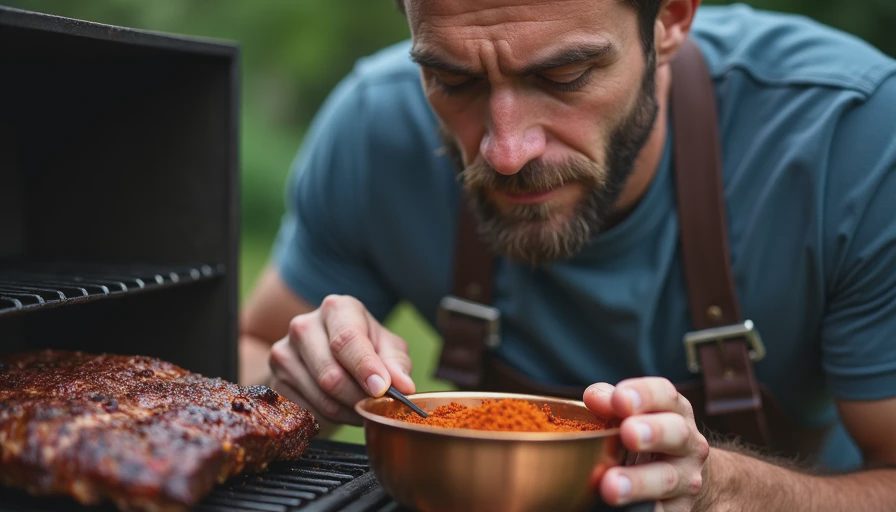
Mix the spices thoroughly in a bowl, breaking up any brown sugar if you include it. Taste a tiny pinch before it touches the meat. You should notice salt first, then pepper and garlic, followed by smoke and mild heat. If it tastes flat, add a little more salt. If it tastes harsh, give it time; the flavor mellows after the ribs cook.
Preparing the Ribs Before Seasoning
Start with cold beef back ribs and pat them dry with paper towels. Look at the bone side for a thin, shiny membrane. Slip a butter knife under one corner, grab that corner with a paper towel, and pull it away in one piece. Removing the membrane helps the seasoning reach the meat and keeps the finished ribs from having a chewy, papery layer.
Beef back ribs often have uneven patches of fat or thin meat left from trimming. Do not carve them into perfectly clean competition-style bones. Remove only hard chunks of fat and dangling scraps that could burn. A soft layer of fat is useful because it melts during the cook and carries seasoning into the surface.
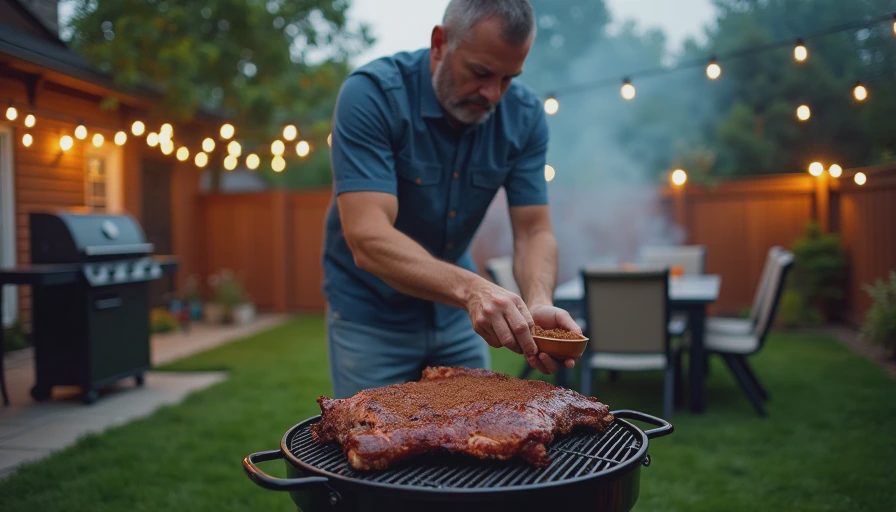
Coat the ribs lightly with yellow mustard, hot sauce, or a teaspoon of neutral oil. This binder will not make the ribs taste like mustard or hot sauce after several hours of cooking. Sprinkle the dry rub for beef back ribs evenly over every side, then press it into the surface instead of rubbing aggressively. You want a complete coating without scraping the meat.
For the best result, season the ribs 30 minutes before cooking or refrigerate them uncovered for up to 12 hours. The overnight method gives the salt time to work into the outer meat. Set the ribs on a wire rack over a sheet pan so air can circulate. Take them from the refrigerator while the smoker heats, but do not leave raw meat sitting out for hours.
Smoking Beef Back Ribs Without Burning the Bark
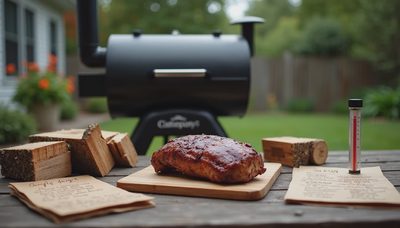
Set your smoker to 250 degrees Fahrenheit. Oak is my first choice for beef because it gives a steady, savory smoke. Pecan works too, while mesquite can become sharp if the fire runs hot. Use a clean-burning fire with light blue smoke. Thick white smoke is not a badge of honor; it usually leaves a bitter coating on the ribs.
Place the ribs bone side down and leave them alone for the first two hours. Spritzing every 30 minutes sounds productive, but opening the cooker repeatedly costs heat and extends the cook. After about three hours, check the surface. If the bark looks dry and the edges are darkening too quickly, spritz lightly with water or diluted apple cider vinegar.
The ribs are usually ready in 5 to 7 hours, but the clock is only a guide. Start checking when the meat has pulled back from the bones and a probe slides between them with little resistance. An internal temperature around 200 to 205 degrees is common for tender beef ribs, though feel matters more than one exact number. A rack can reach that range and still need another hour if the connective tissue has not relaxed.
Oven Method for Rainy Saturdays
You do not need a smoker to make this dry rub for beef back ribs work. Heat the oven to 275 degrees Fahrenheit and place seasoned ribs on a rack over a foil-lined pan. Add a small splash of water to the bottom of the pan, but keep the liquid below the rack so the ribs roast rather than boil.
Cover the pan tightly with foil and cook for about 3 hours. Remove the foil, brush on a thin layer of barbecue sauce if you like, and cook uncovered for another 30 to 60 minutes. For a smoky note, add a little smoked paprika to the rub or finish the ribs on a hot grill for 5 minutes per side. The bark will not be identical to a wood fire, but the meat can still be tender and deeply seasoned.
Common Rub Problems and Easy Fixes
If the ribs taste too salty, the coating was probably too heavy or the salt crystals were finer than expected. Kosher salt brands differ in crystal size, so weigh it when you can or start with 2 tablespoons and adjust next time. If the bark is bitter, the fire likely produced dirty smoke or the sugar burned. If the ribs are bland despite a dark crust, the seasoning may have stayed mostly on the outside because the rack was not salted early enough.
Another common problem is tough meat caused by stopping the cook too soon. Beef back ribs can look finished when the bones are exposed, but tenderness comes from time and heat breaking down connective tissue. Wrap the rack in butcher paper or foil if the surface is getting too dark, then return it to the cooker until a probe slides in easily.
Serving and Storing the Ribs
Rest the ribs for at least 20 minutes before slicing. Cut between the bones with a sharp knife, and serve them with simple sides such as beans, vinegar slaw, cornbread, or roasted potatoes. The rub already carries plenty of flavor, so sauce should be served at the table rather than poured over every inch of bark.
Leftovers keep in the refrigerator for about four days in a sealed container. Reheat them covered at 250 degrees with a tablespoon of beef broth or water. The next day, chopped rib meat makes a fine sandwich with pickles, or it can turn a bowl of pinto beans into a proper supper. Mix another small batch of dry rub for beef back ribs if you want to season extra meat, but store unused spice in a sealed jar away from heat for up to three months.
The goal is not a complicated formula or a mountain of sugar. Use the dry rub for beef back ribs lightly, run a steady fire, and cook until the meat feels tender. Good smoke. Good sweets. Good people.
No notes yet — write the first one.