The first time I mixed meathead memphis dust, I treated it like a heavy competition rub and piled it onto a rack of ribs. That was my mistake. The outside turned salty before the meat had time to pick up smoke, and June declared the ribs "too spicy" after one bite. Used with a lighter hand, this Memphis-style blend is a very useful all-purpose rub for ribs, pork shoulder, chicken, burgers, and even roasted vegetables.
The formula associated with Meathead Goldwyn is built around paprika, sugar, salt, garlic, onion, and several warm spices. It is not a secret sauce, and it does not need expensive equipment. A small bowl, measuring spoons, and a smoker or grill will get you there. The trick is understanding what each part does and giving the rub enough time to work without letting the sugar scorch.
What meathead memphis dust tastes like
Meathead memphis dust has a balanced barbecue profile rather than a sharp, pepper-forward Central Texas profile. Paprika brings color and a mild earthy flavor. Brown sugar helps the surface brown and gives pork and chicken a gentle sweetness. Garlic and onion add the savory backbone, while chili powder and other spices provide warmth without turning the food into a dare.
That balance makes it especially good for family cooking. Sam will eat chicken rubbed with it, provided I do not add extra cayenne. Kate likes it on pork tenderloin because the seasoning tastes rounded instead of aggressively smoky. For adults, I put hot sauce on the table after cooking rather than making the whole batch too hot for the kids.
The exact mixture can differ depending on the published version or how you measure ingredients, so read the recipe you are following and use fresh spices. Old paprika produces dull color and a flat flavor. If your spice drawer has been sitting beside the stove for two years, replace the paprika, chili powder, and garlic powder before blaming the smoker.
Mixing and applying the rub
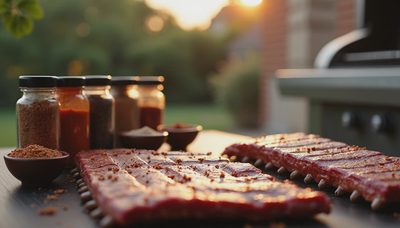
When I make meathead memphis dust, I whisk the ingredients in a wide bowl instead of shaking them together in a jar. Sugar tends to settle, and a wide bowl lets you break up brown sugar lumps with the back of a spoon. Mix until the color looks even, then transfer the blend to an airtight container.
For a typical rack of baby back ribs, start with roughly 2 to 3 tablespoons of rub. Spare ribs can take a little more because they have greater surface area. A whole chicken usually needs about 3 tablespoons, while a pork shoulder may take 1/4 to 1/3 cup depending on its size. Those are starting points, not a contest. The meat should look evenly coated, not buried under a thick red crust.
Pat the meat dry first. A thin coat of yellow mustard can help the seasoning stick, but it does not make the finished meat taste like mustard. I usually apply the rub 30 minutes before cooking for chicken and ribs. For a large pork shoulder, applying it several hours ahead or overnight gives the salt more time to move into the outer layer.

Cooking with meathead memphis dust
Sugar changes how you manage heat. On ribs, I run the cooker around 250 to 275 degrees Fahrenheit and watch the color during the first two hours. If the outside darkens quickly, move the meat away from the hottest section or wrap it once the bark has set. On a charcoal grill, indirect heat matters more than having a perfectly steady number on the lid thermometer.
For chicken, meathead memphis dust works well at 325 to 375 degrees Fahrenheit. That hotter cook helps render the skin instead of leaving it rubbery. Put the chicken over indirect heat until the breast reaches 160 to 165 degrees and the thighs are at least 175 degrees for better texture. Let carryover cooking finish the last bit while the meat rests.
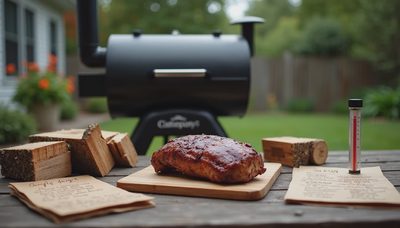
Pork shoulder is more forgiving. Cook it until it is probe-tender, often around 195 to 205 degrees internally, rather than pulling it at a specific number every time. A thermometer should slide into several parts of the roast with little resistance. Rest it for at least 45 minutes before pulling so the juices do not run across the cutting board.
Smoke choice matters, but it does not need to become a personality test. I like hickory with pork and a little apple or cherry with chicken. Use a clean fire. Thick white smoke can make the sweet rub taste bitter, while a thin stream of light smoke gives you the flavor people actually want at dinner.
Fixing common rub mistakes
If the finished meat is too salty, the problem is usually too much rub, a salty brine underneath, or both. Next time, skip any additional salt in the marinade and apply a thinner layer. Do not try to rescue salty ribs with extra sauce; sweetness can mask the issue for a bite, but it will not correct it.
If the bark tastes too sweet, lower the cooking temperature slightly or wrap the meat after the color is right. You can also make a less-sweet batch by reducing the brown sugar and replacing some of it with paprika. That changes the traditional balance, but barbecue at home is allowed to fit your table.
If the flavor seems weak, check the age of the spices and the amount of meat. A full pork shoulder needs more seasoning than a couple of chops. Give meathead memphis dust time to bond with a dry surface, and do not judge the flavor before the bark has developed. Raw rub tastes much harsher than cooked rub.

Storage and smart batch sizes
Store meathead memphis dust in a cool, dark cabinet in a sealed glass jar or sturdy food container. Label the jar with the mixing date. A small batch is better than a giant container that sits open beside the grill all summer. For normal weekend cooking, I mix enough for two racks of ribs, one chicken, or a smaller pork roast, then make it again when the spices still smell lively.
Keep the dry rub away from steam, wet hands, and used measuring spoons. Once it touches raw meat, do not pour the leftover seasoning back into the clean jar. Put a portion in a separate bowl before applying it, and discard anything that has contacted raw pork or poultry. That simple habit prevents cross-contamination and saves the main batch.
You can adjust meathead memphis dust without losing its identity. Add black pepper for more bite, cayenne for real heat, or smoked paprika for deeper color. Reduce the sugar when cooking over direct heat. For vegetables, I use less salt and add a drizzle of oil so the seasoning clings to corn, potatoes, mushrooms, or thick slices of cauliflower.
A Saturday cook that actually works
I will often season ribs in the morning, put them on Old Hoss around lunchtime, and use the same blend on chicken thighs for dinner. The ribs get low, indirect heat and the chicken goes on later at a hotter temperature. While the meat rests, June can toss seasoned potatoes into the oven and Sam can complain that the football game is taking too long to come back from commercial.
The useful lesson is not that one rub fixes every cook. It is that meathead memphis dust gives you a dependable starting point, then lets you adjust for the cut, cooker, heat, and people sitting at the table. Start with less than you think you need, keep the fire clean, and taste the bark before adding sauce.
That is how I use it: simple seasoning, controlled heat, and enough patience to let the meat finish properly. Good smoke. Good sweets. Good people.


No notes yet — write the first one.