The first time I used a Camp Chef outdoor oven, I made the mistake of treating it like a regular indoor oven with a fancy hat. I cranked the heat, walked away to check the brisket, and came back to pizza with a black bottom and cheese that had barely softened. That was on me. Once I learned how the burner, stone, and door worked together, this became one of the handiest pieces of backyard cooking equipment I own.
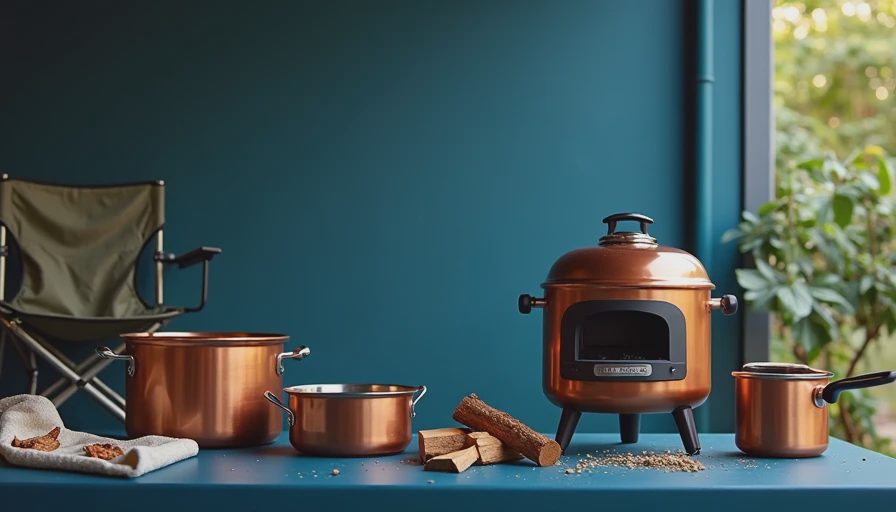
A Camp Chef outdoor oven is useful because it fills the gap between a kitchen oven and a full outdoor pizza setup. It can handle pizza, biscuits, cornbread, roasted vegetables, chicken, and smaller cuts of meat without heating the house. It is not magic, and it will not replace a smoker or a cast-iron skillet, but it earns its footprint when Saturday dinner includes both fire and flour.
What the Camp Chef outdoor oven does best
The biggest strength is speed. After preheating, the oven can reach temperatures far beyond a typical indoor oven, making it practical for thin-crust pizza and flatbreads. I usually give the stone 20 to 30 minutes to heat fully rather than trusting the air temperature alone. A cheap infrared thermometer pointed at the cooking surface tells the truth; the built-in gauge tells you the general neighborhood.
Pizza is the obvious job, but it is not the only one. I have used a Camp Chef outdoor oven for sourdough loaves, cast-iron cornbread, cinnamon rolls, baked potatoes, and a tray of chicken thighs. At 400 to 425 degrees, it behaves much like a conventional oven. At higher heat, the bottom can cook faster than the top, so rotating the pan or pie becomes part of the routine.
The unit also keeps summer cooking outside. When June and Sam want to make individual pizzas, they can build their own without flouring every counter in the house. Kate appreciates that part more than any claim about restaurant-style crust.
The mistakes that cause bad results
The first mistake is launching food before the cooking surface is ready. A hot-looking oven does not always mean a hot stone. Give the oven time, use a thermometer when possible, and let the stone recover between pizzas. If you slide three pies in back-to-back, the third one may have a soft bottom even though the flame is still roaring.
The second mistake is using too much flour or cornmeal under the dough. Loose flour burns quickly at high temperatures and leaves a bitter taste. I prefer a lightly floured peel and a quick, confident launch. If the dough sticks, the answer is usually better dough handling, not a handful more flour.
The third mistake is opening the door every minute. Heat escapes fast, especially during baking. Check a pizza after two minutes, rotate it if one side is coloring faster, and close the door. For bread or biscuits, resist the urge to peek until the structure has started to set.
A Camp Chef outdoor oven also needs a level, stable surface with proper clearance around it. Keep the propane hose away from hot surfaces, wipe spills after the unit cools, and never use it in an enclosed garage or screened room. Fire is useful right up until it is not.
Pizza, bread, and everyday baking
For a simple pizza, I preheat the oven thoroughly, stretch a dough ball to about 10 or 12 inches, and keep the toppings restrained. Two ounces of low-moisture mozzarella, a few spoonfuls of sauce, and a little pepperoni cook more evenly than a pile of wet vegetables. The first side usually needs more attention, so I rotate the pizza with a peel instead of waiting for the whole top to brown evenly.
The Camp Chef outdoor oven is especially good for small batches. You can bake two or three loaves, a skillet of cornbread, or a pan of biscuits without committing to a full indoor-oven production. For biscuits, I use a moderate 400-degree setting and watch the tops closely. If the bottoms darken before the centers finish, raise the pan slightly or reduce the heat.
Baking outdoors does require a little weather awareness. Wind can affect the burner and make temperature control frustrating. On a calm day, the oven settles in quickly. On a gusty day, I position it where the house provides some shelter without blocking ventilation. That small adjustment has saved more than one batch of dinner rolls.
Using it alongside a smoker or grill
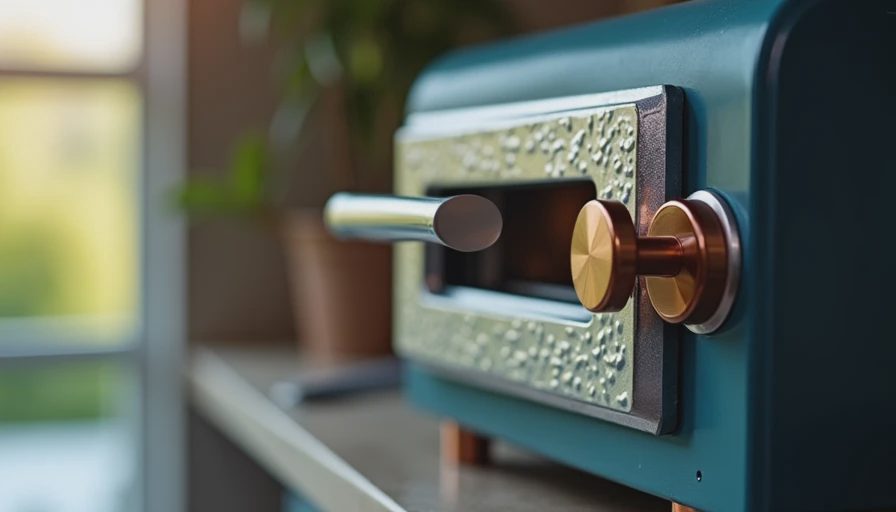
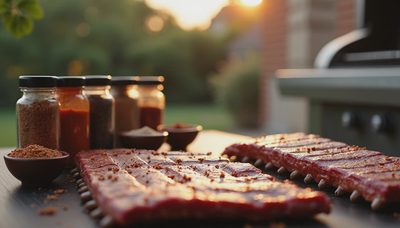
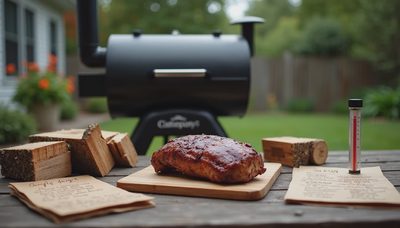
This oven makes the most sense when it works as part of a larger backyard setup. I can run ribs or a brisket on Old Hoss, then use the outdoor oven for jalapeno cornbread while the meat rests. That keeps the kitchen free and gives the family something warm to eat while the main event finishes.
It is also useful for side dishes that compete for indoor oven space. Mac and cheese, roasted potatoes, stuffed peppers, and baked beans can all move outside. A Camp Chef outdoor oven will not add smoke flavor by itself, so I do not pretend it is a smoker. If I want smoke, I cook the food in the smoker. If I want steady dry heat, I use the oven and get predictable results.
For game day, that division of labor matters. The ribs can hold in a cooler, the cornbread can bake outside, and nobody has to pause the Texas Longhorns game to shuffle pans around the kitchen.
Is the Camp Chef outdoor oven worth buying?
For a family that bakes occasionally and wants to cook outside, I think it is worth considering. It gives you more control than a basic grill, reaches useful pizza temperatures, and handles ordinary baking jobs without a large permanent kitchen setup. The value improves if you already own a propane cylinder, peel, thermometer, and sturdy outdoor table.
It is less appealing if you only want traditional barbecue. A good grill or smoker will do more for brisket, ribs, and pulled pork. It is also not the best choice for someone who expects completely automatic temperature control. You still need to watch the flame, rotate food, and learn where the hot spots live.
Prices change by model and package, but remember to budget for accessories. A reliable peel can cost $25 to $60, an infrared thermometer often runs $20 to $40, and a covered cart or table can add considerably more. Those tools make the oven easier to use and prevent the usual first-week frustrations.
My practical setup for Saturday dinner
I start by checking the propane connection and clearing the cooking area. Then I preheat while mixing dough or seasoning meat. For pizza, I aim for a fully heated stone and cook one pie at a time. For a roast or casserole, I use a pan, lower the heat, and allow extra time for the center to warm. I keep a small notebook nearby because wind, outside temperature, and pan material all change the result.
After cooking, I let the unit cool completely before brushing away crumbs. I do not hose it down or scrape the stone with soap. A dry brush and a little patience are enough. If something spills, I deal with it once the surface is safe to touch.
The Camp Chef outdoor oven will not make every backyard meal perfect. I have still burned edges, underbaked a loaf, and served pizza later than planned. But it has helped me put hot food on the table while the smoker runs, the kids make a mess, and friends wander over from the fence. Good smoke. Good sweets. Good people.

No notes yet — write the first one.