The first time I made pastrami, I treated the brisket like a regular Texas barbecue brisket. That was the mistake. I used too much smoke, skipped the cure, and piled on a rub that tasted like a pepper shaker had exploded. The result was edible, but nobody was reaching for seconds. Good pastrami needs time, restraint, and the right pastrami rub seasoning. This version gives you the peppery crust, coriander aroma, and savory bite you expect without requiring a deli counter or a $3,000 smoker.
What Makes a Good Pastrami Rub
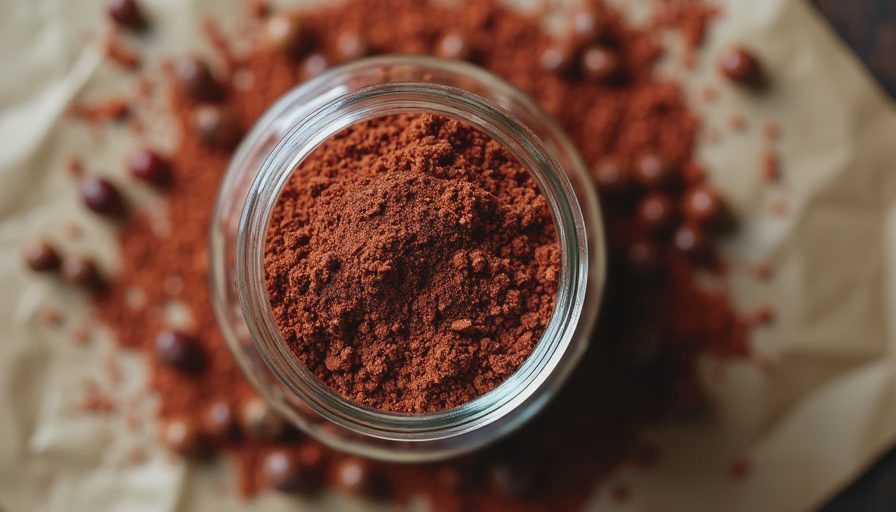
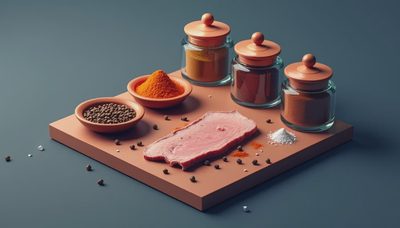
Pastrami rub seasoning starts with coarse black pepper and ground coriander. Those two ingredients do most of the heavy lifting. Pepper creates the familiar bite, while coriander brings a citrusy, almost floral note that keeps the beef from tasting flat. I add paprika for color, garlic powder for savoriness, and a modest amount of onion powder for roundness.
For a four- to six-pound beef brisket flat, mix three tablespoons coarse black pepper, three tablespoons ground coriander, one tablespoon paprika, two teaspoons garlic powder, two teaspoons onion powder, one teaspoon mustard powder, and one teaspoon brown sugar. Add one teaspoon kosher salt only if the meat has not already been cured. A cured brisket or store-bought corned beef can become unpleasantly salty when extra salt is added without thinking.
I like this balance because it tastes assertive after steaming but not harsh. If you enjoy heat, add half a teaspoon of cayenne. If kids are eating, leave it out. June and Sam prefer the crust without the extra fire, and I would rather see them grab another sandwich than sprint for a glass of milk.
Choosing and Preparing the Beef
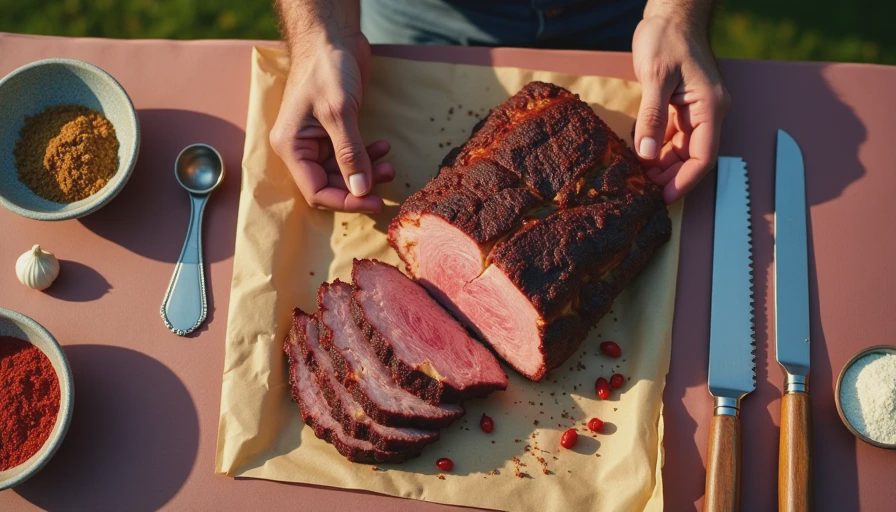
The easiest starting point is a corned beef brisket. Rinse it under cool water, then soak it in a large bowl for four to eight hours, changing the water once. This pulls out some curing salt. Pat it completely dry before applying pastrami rub seasoning. A wet surface makes the spices slide around and weakens the bark.
You can also cure a plain brisket yourself, but that is a separate project requiring curing salt and several days in the refrigerator. Do not confuse pink curing salt with regular Himalayan pink salt. They are not interchangeable. For a first attempt, a cured brisket from the grocery store is simpler and gives you a better chance of having dinner ready on schedule.
Trim away thick, hard pieces of fat, but leave a thin layer over the top. Pastrami benefits from some protection during the smoke. Coat the meat lightly with yellow mustard or a small amount of neutral oil, then press on the seasoning rather than rubbing it aggressively. You want an even layer that stays attached.
Applying Pastrami Rub Seasoning Correctly
Use about two tablespoons of pastrami rub seasoning per pound of meat as a starting point. That is enough to cover a brisket without burying it under a dusty, bitter coating. Press the mixture into every side, including the narrow edges. Place the seasoned brisket on a rack over a tray and refrigerate it uncovered for at least four hours, preferably overnight.
That uncovered rest does two useful things. The surface dries slightly, which helps smoke and seasoning adhere, and the spices hydrate against the meat. I have rushed this step when football started earlier than expected, and the flavor was noticeably less developed. Four hours is workable; overnight is better.
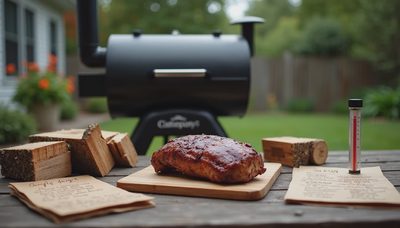
For smoke, use oak, maple, or a small amount of hickory. Oak is my everyday choice because it tastes sturdy without overwhelming the coriander. Run the smoker at 250 degrees Fahrenheit. Add smoke for the first three to four hours, then let the heat finish the work. Pastrami is not improved by six straight hours of heavy smoke.
Smoking and Steaming the Pastrami
Smoke the brisket until the thickest part reaches about 165 degrees Fahrenheit and the bark looks dark, dry, and firmly attached. Depending on the cut, this usually takes four to six hours. Do not cook strictly by the clock. A probe thermometer is more useful than a timer, especially when the brisket flat is thin on one end.
Once it reaches 165 degrees, wrap it tightly in foil or unwaxed butcher paper with a few tablespoons of water or beef stock. Continue cooking until the meat reaches 195 to 203 degrees and a probe slides into the flat with little resistance. Temperature tells you when to start checking; tenderness tells you when it is done.
Steaming is the step that separates decent smoked corned beef from proper pastrami. Put the wrapped brisket in a steamer basket or on a rack above simmering water. Steam for one to two hours, until the meat is soft enough to slice cleanly. Keep the water below the meat so the crust does not wash away.
Slicing, Serving, and Saving the Bark
Rest the cooked brisket for at least 30 minutes before slicing. For the cleanest sandwiches, chill it overnight, then steam individual portions the next day. That is how I handle a Saturday cook when Sunday lunch needs to happen without turning the kitchen upside down.
Slice across the grain, aiming for slices about one-eighth to one-quarter inch thick. Too thin and the meat can seem dry; too thick and it chews like pot roast. Serve it on rye with mustard, or pile it onto toasted sourdough with pickles and a little cabbage slaw. The crust should stay visible instead of disappearing under a mountain of toppings.
Leftovers keep in the refrigerator for three to four days in a sealed container. Reheat slices with a splash of water in a covered skillet, or steam them for a few minutes. Avoid blasting them in the microwave uncovered. That turns good pastrami into salty leather faster than a hot fire burns a brisket edge.
Troubleshooting Common Rub Problems
If the finished meat tastes too salty, the cure was probably not soaked long enough, or extra salt was added to the pastrami rub seasoning. Next time, extend the soak and leave salt out of the blend. If the crust tastes bitter, reduce the paprika and sugar, avoid prolonged direct heat, and use less hickory.
A pale crust usually means the surface was wet, the rub was applied immediately before cooking, or the smoker did not have clean-burning smoke. Let the seasoned meat rest uncovered and wait for thin blue-gray smoke rather than thick white clouds. Heavy smoke makes the outside taste acrid while the center is still undercooked.
If the brisket is tough at 200 degrees, it is not automatically ruined. Wrap it again and keep cooking until the probe meets little resistance. If it is dry, the cut may have been too lean, it may have cooked uncovered too long, or it was sliced with the grain. Good notes fix more barbecue mistakes than fancy equipment.
A Simple Weekend Timeline
On Friday evening, rinse and soak the corned beef. Before bed, dry it and apply pastrami rub seasoning. On Saturday morning, light the smoker and put the brisket on at 250 degrees. Around lunchtime, check the bark and internal temperature. Wrap at roughly 165 degrees, then steam after the brisket reaches tenderness.
For a six-pound piece, plan on eight to ten hours of active cooking and resting, though the exact schedule depends on thickness. Start earlier than you think you need to. Finished pastrami can rest wrapped in a cooler for an hour or stay warm in a low oven, but hungry guests do not appreciate a cook who is still waiting for the stall at dinnertime.
The best part is that this pastrami rub seasoning also works on chuck roast, turkey breast, and pork shoulder. Use less salt on already seasoned meat, keep the smoke clean, and take notes after every cook. Good smoke. Good sweets. Good people.
No notes yet — write the first one.