The first time I made pastrami at home, I treated the seasoning like an afterthought. I used too much salt, not enough cracked pepper, and ended up with a crust that tasted like a salt lick. This pastrami seasoning rub fixes that problem with a simple ratio that works on brisket, beef roasts, turkey, and even roasted vegetables. It brings the peppery bite, garlic, coriander, and gentle sweetness you want without burying the meat.
What Makes a Good Pastrami Seasoning Rub
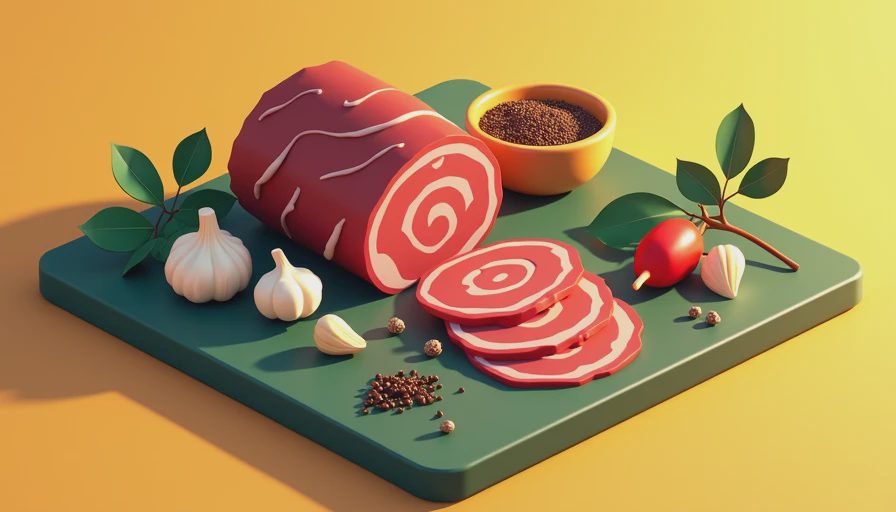
Classic pastrami flavor comes from a few sturdy ingredients rather than a crowded spice cabinet. Coarse black pepper gives the crust its sharp bite. Coriander adds a citrusy, almost floral note that rounds out the pepper. Garlic, paprika, and a little brown sugar fill in the middle and help the surface brown as it cooks.
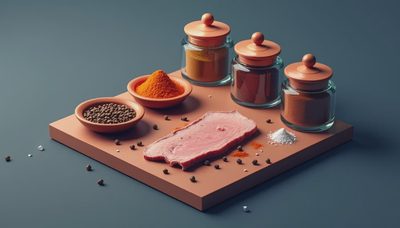
For about one cup of pastrami seasoning rub, mix 1/3 cup coarse black pepper, 1/3 cup crushed coriander seed, 2 tablespoons granulated garlic, 1 tablespoon smoked paprika, 1 tablespoon brown sugar, 2 teaspoons mustard powder, and 1 teaspoon onion powder. Add 1 teaspoon kosher salt only if the meat has not already been brined or cured. That last point matters. A cured corned beef brisket already carries plenty of salt, and adding a full salty rub can push dinner straight past enjoyable.
Use coarse pepper and coriander when possible. Fine powders turn into a paste on wet meat and can taste harsh. I crush whole coriander with the bottom of a small skillet, leaving some pieces chunky. The uneven texture gives the bark more character and keeps every bite from tasting identical.
How to Use the Rub on Brisket
Rinse a corned beef brisket under cold water, then soak it for two to four hours if the cure tastes aggressively salty. Change the water once halfway through. Pat the brisket completely dry with paper towels. Moisture on the outside prevents the rub from clinging evenly and delays browning.
Spread a thin coat of yellow mustard or Worcestershire sauce over the meat. You will not taste much mustard after a long cook; it simply gives the pastrami seasoning rub something to grab. Apply the mixture generously on every side, pressing instead of rubbing so you do not knock the spices onto the cutting board. For a 4-pound brisket, use roughly 1/2 to 3/4 cup, depending on how thick you want the crust.
Let the seasoned brisket sit uncovered in the refrigerator for at least four hours, preferably overnight. That rest gives the salt and spices time to hydrate and stick. Pull it from the refrigerator 30 to 45 minutes before cooking so the surface is not ice-cold when it hits the smoker.
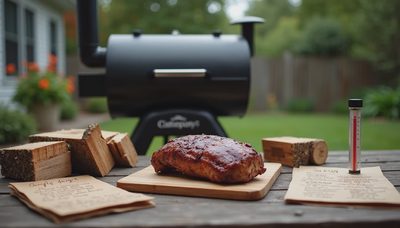
For smoking, run the cooker at 250 degrees Fahrenheit and use oak, pecan, or a modest amount of hickory. Cook until the thickest part reaches about 195 to 205 degrees and feels probe-tender. The thermometer number is a guide, not a finish line. A brisket that still feels tight needs more time, even if the display says 203.
Smoking and Oven Options
Smoke the brisket uncovered for the first three to four hours, then wrap it in butcher paper once the bark is dark and dry. If the surface looks pale or wet, give it another hour before wrapping. Butcher paper keeps the bark firmer than foil, while foil speeds the cook and traps more moisture. Both methods work; they simply produce different textures.
No smoker? Bake the rubbed brisket on a rack at 275 degrees in a roasting pan. Add a cup of water to the pan, cover tightly with foil, and cook until tender, usually three to five hours for a smaller cut. Remove the foil for the final 20 minutes so the outside can dry slightly. You will not get a true smoke ring, but the pastrami seasoning rub still gives you the right pepper-coriander flavor.
Rest the cooked meat for at least 30 minutes before slicing. For sandwiches, chill it overnight and slice it thin across the grain. For dinner plates, thicker slices are fine. I like to save the cooking juices, chill them, and skim the fat before warming them as a dipping jus.

Beyond Brisket: Turkey, Beef, and Vegetables
Turkey breast takes especially well to this pastrami seasoning rub because the pepper and coriander give lean meat some needed personality. Brush the turkey with oil, apply the rub, and roast at 350 degrees until the center reaches 160 to 165 degrees. Rest it for 15 minutes before slicing. A 3-pound breast usually takes around 70 to 90 minutes, but thickness matters more than the clock.
Try it on a chuck roast when you want pastrami flavor without buying a whole brisket. Rub a 3-pound roast, smoke it at 250 degrees, and cook until it reaches approximately 200 degrees and shreds easily. Serve it on rye rolls with mustard and pickles, or pile it over mashed potatoes when the weather turns cold.
Vegetables do not need a long marinade. Toss thick cauliflower wedges, mushrooms, carrots, or potato chunks with oil and a light coating of pastrami seasoning rub. Roast at 425 degrees for 25 to 40 minutes, turning once. The sugar can darken quickly, so keep an eye on the edges during the last ten minutes.
Common Mistakes With Pastrami Rub
The biggest mistake is adding too much salt before considering the meat. Cured brisket, corned beef, and some store-bought roasts already contain sodium. Taste a tiny pinch of the rub and use a restrained hand if the meat has been brined. You can always add salt at the table; you cannot pull it back out of a brisket.
Another problem is using ground coriander that has been sitting in the cabinet for years. It will not hurt you, but it will taste flat. Freshly crushed seed costs little and wakes up the whole blend. I also avoid packing the rub onto a cold, wet surface. Dry meat and a short uncovered rest produce a cleaner bark.
Finally, do not slice immediately after cooking. The juices need time to settle. Cutting too early leaves the board wet and the meat dry, which is exactly backward. If dinner timing gets complicated, hold the wrapped brisket in a dry cooler for up to two hours.
Storing and Adjusting the Blend
Store leftover pastrami seasoning rub in a sealed jar away from heat and light. Label it with the date and use it within three months for the brightest flavor. The blend remains safe longer if kept dry, but pepper and coriander lose their punch over time.
For more heat, add 1 teaspoon cayenne or 2 teaspoons crushed red pepper. For a sweeter barbecue edge, increase the brown sugar to 2 tablespoons, but avoid going much higher on a hot smoker because sugar can scorch. If you prefer a darker crust, add another teaspoon of paprika rather than dumping in extra sugar.
This pastrami seasoning rub is not complicated, and that is the point. Get the salt right, use fresh pepper and coriander, give the meat time to rest, and cook until tender instead of chasing a number. I have used it for Saturday brisket, turkey after Thanksgiving, and potatoes while watching Texas football. Good smoke. Good sweets. Good people.
No notes yet — write the first one.