The first mistake I made with Texas BBQ recipes was treating every cut of meat like it wanted the same fire. I ran ribs too hot, dried out a perfectly decent brisket, and once served sausage with the texture of a pencil eraser. The fix was not a $3,000 smoker. It was learning to control heat, use simple seasoning, and give the meat enough time. These recipes are built for a normal backyard, a kettle grill or offset smoker, and a family that would like dinner before bedtime.
Start with the Texas barbecue basics
Good Texas barbecue begins with a clean fire and a short ingredient list. For brisket, ribs, and beef sausage, I usually use post oak, but hickory works when you want a stronger edge. Mesquite can be excellent in small amounts and harsh when it burns for six hours. Use seasoned wood that produces thin, clean smoke instead of thick white clouds.
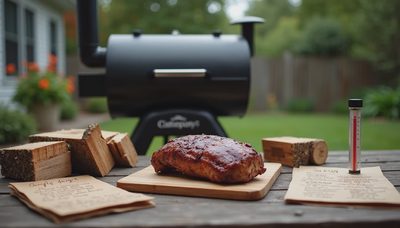
Keep the cooking chamber around 250 to 275 degrees Fahrenheit. A cheap oven thermometer clipped near the grate is useful because the lid gauge on many backyard smokers can be off by 25 degrees or more. Build a small coal bed, add one split at a time, and wait for the new wood to catch before adding another. If the smoke smells bitter, the fire needs more airflow or a few minutes to burn cleaner.
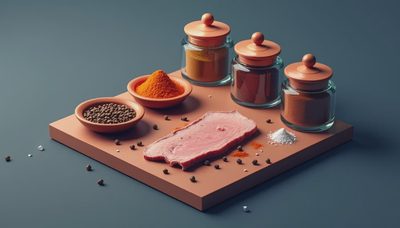
For seasoning, start with equal parts kosher salt and coarse black pepper. Add garlic powder if you like, but do not bury the beef under sugar or a dozen spices. Texas BBQ recipes work because smoke, salt, beef, and time have room to show up.
Central Texas brisket without the panic
Trim a whole packer brisket so the fat cap is roughly one-quarter inch thick, removing hard chunks of fat that will not render. Save the trimmings for tallow or discard them. Coat the brisket with the salt-and-pepper rub, then let it sit while the smoker comes to temperature.
Place it on the grate with the thicker point toward the fire. Smoke at 250 to 275 degrees until the bark is dark and the internal temperature is usually between 160 and 175 degrees. That often takes six to nine hours, depending on the brisket and the cooker. When the bark looks right, wrap it in unwaxed butcher paper. Foil works faster but softens the bark.
Continue cooking until a probe slides into the flat with little resistance, often around 200 to 205 degrees. Temperature is a guide, not a finish line. Rest the wrapped brisket in a cooler or turned-off oven for at least one hour, preferably two. Slice the flat across the grain in pencil-thick pieces and cut the point a little thicker. The biggest brisket error is slicing immediately because everyone is hungry. I have made that mistake during football season, and the juice ended up on the cutting board instead of the plate.
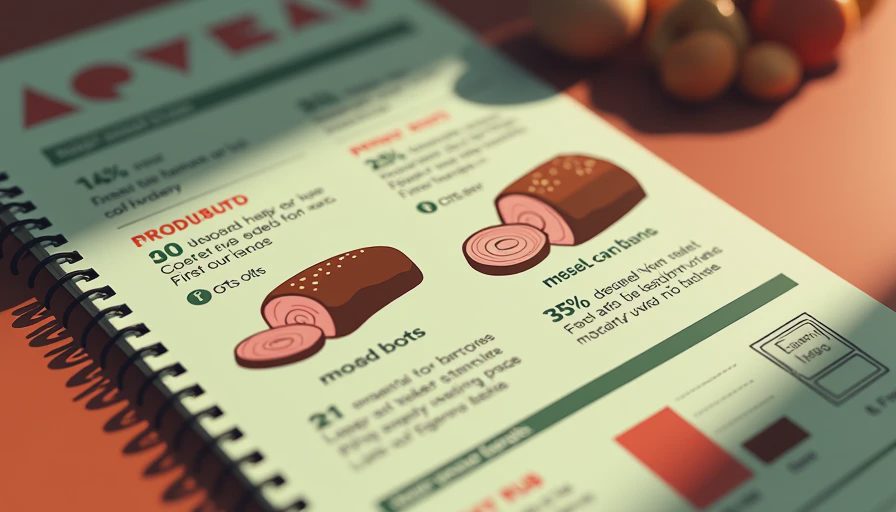
Ribs and sausage for a shorter cook
Beef ribs need patience but less babysitting than brisket. Remove the membrane from the bone side, season with salt and pepper, and smoke at 275 degrees for about five to seven hours. They are ready when the meat has pulled back from the bones and a skewer slides between the ribs easily. Wrap them only if they are getting too dark or the bark has stopped developing.
For pork spare ribs, trim away loose flaps, remove the membrane, and use a rub with salt, pepper, paprika, and a little brown sugar. Cook at 275 degrees for four to five hours. Sauce during the last 20 minutes rather than early in the cook, when sugar can burn.
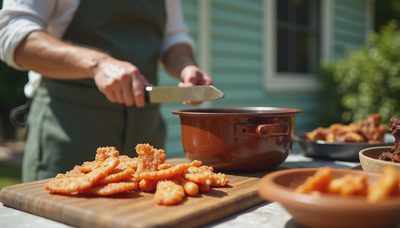
Sausage is the weeknight-friendly option among Texas BBQ recipes. Smoke fresh links at 250 to 275 degrees until they reach 160 degrees internally, usually 60 to 90 minutes. Let them rest five minutes before slicing. Serve with white bread, sliced onions, pickles, and mustard. Do not poke holes in the casing; that releases the fat that keeps the sausage juicy.
Sides that can handle a backyard crowd
A barbecue plate needs something bright and something filling. My quick pinto beans start with two cans of rinsed beans, half a chopped onion, one minced jalapeno, a cup of beef broth, and a spoonful of leftover brisket drippings. Simmer everything for 30 minutes, then add salt to taste. If children are eating, leave out the jalapeno and put hot sauce on the table.
For simple vinegar slaw, shred half a green cabbage and one carrot. Stir together one-third cup apple cider vinegar, two tablespoons sugar, two tablespoons oil, half a teaspoon salt, and black pepper. Toss it 20 minutes before serving. The crisp acidity cuts through brisket better than a heavy, sweet dressing.
Potato salad is best made ahead. Boil two pounds of cubed Yukon Gold potatoes until tender, drain them well, and fold in mayonnaise, yellow mustard, chopped dill pickles, celery, and scallions. Chill for at least an hour. Keep cold dishes refrigerated until the meat is ready; a sunny Texas afternoon is not the place to test your luck.
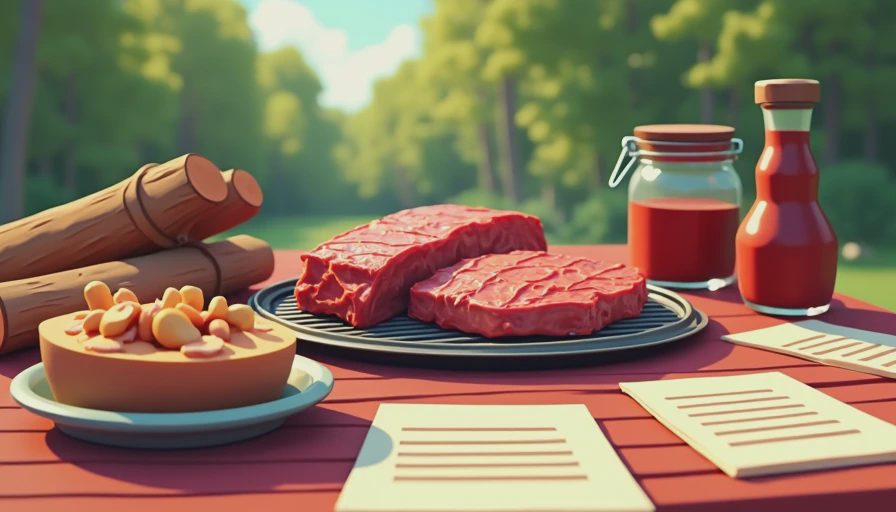
A peach cobbler for the sweet side
The dessert in this collection of Texas BBQ recipes is easy enough for a child to help measure. Heat the oven to 350 degrees. Melt six tablespoons of butter in a 9-by-13-inch baking dish. In a bowl, mix one cup flour, one cup sugar, two teaspoons baking powder, and a pinch of salt. Stir in one cup milk, then pour the batter over the butter without mixing.
Spread four cups of sliced peaches over the batter. Fresh peaches are great in summer, but drained canned peaches work when the store fruit is hard as a baseball. Bake for 45 to 55 minutes, until the top is golden and the edges are bubbling. June usually handles the flour while Sam supervises the peaches, which means I find one missing slice before the cobbler reaches the table. Serve it warm with vanilla ice cream.
Plan the cook so dinner arrives on time
The practical trick with Texas BBQ recipes is starting earlier than feels reasonable. For brisket, light the smoker around 6 a.m. for a 6 p.m. meal, and build in a two-hour rest. Ribs can go on at 10 a.m. Sausage can wait until midafternoon. Make slaw and potato salad in the morning, then bake the cobbler while the meat rests.
Keep a simple notebook with the wood used, pit temperature, wrapping time, and final texture. If the brisket is dry, note whether the flat was under-rested or overcooked. If the bark is bitter, fix the fire rather than adding more rub next time. That small record has taught me more than any fancy gadget.
You do not need perfection to feed people well. You need a steady fire, food that is seasoned properly, and enough time to sit down while the last slice disappears. Good smoke. Good sweets. Good people.
No notes yet — write the first one.