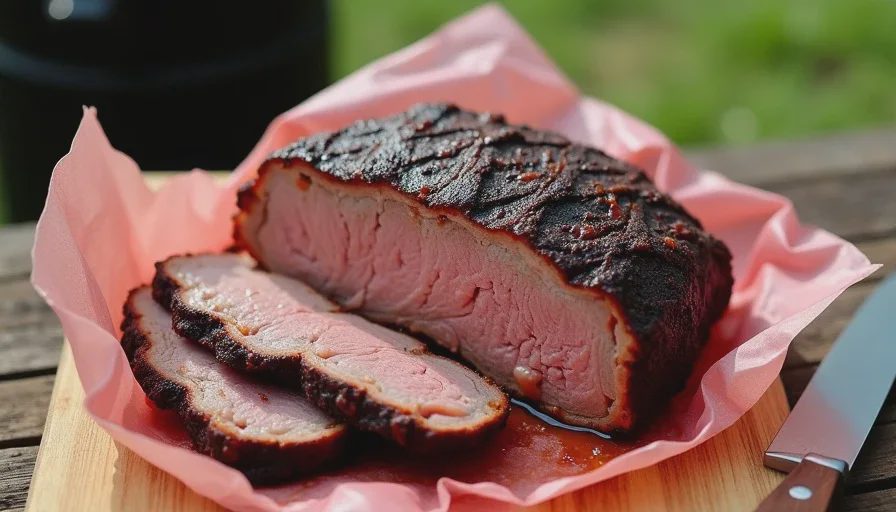
The first three briskets I took to competition were dry, and that's exactly why this Texas brisket recipe for beginners starts with what went wrong instead of what went right. I cooked those three on Old Hoss — my grandfather's cast-iron offset smoker — and each time I thought I'd fixed the problem, only to find a new way to ruin forty dollars of meat. The fourth brisket won me a ribbon at the Lockhart regional cook-off, People's Choice, and it wasn't because I discovered some secret. It was because I changed three things that I'd been getting wrong since the beginning, and none of them required new equipment.
The Three Briskets That Came Before (All Dry)
Brisket number one was undercooked and tough, number two was overcooked and stringy, and number three was somehow both at the same time. I was treating brisket like a steak — cook it to a number, pull it, slice it. The problem is that brisket doesn't work that way, and my probe thermometer was telling me numbers I didn't understand. I'd pull at 190°F because some forum post said that was the target, and I'd end up with meat that chewed like a shoe sole. June took one bite of brisket number two, put her fork down, and asked if we could just have hot dogs. She was six. She wasn't wrong.
What I Changed — Three Things
The fixes were embarrassingly simple, but it took me three failed cooks to figure them out. Here's what I changed between brisket number three and brisket number four:
What I Was Doing | What I Changed To | Why It Mattered |
|---|---|---|
Trimmed almost all the fat off | Left a quarter-inch fat cap on top | Fat renders into the meat during the cook, not onto the cutting board |
Wrapped in foil at 150°F | Wrapped in butcher paper at 165°F internal | Foil steams the bark soft; paper lets it breathe and keeps the crust |
Sliced ten minutes after pulling | Rested in a cooler for at least one hour | The temperature equalizes and the juices redistribute instead of pooling on the board |
That third one — the rest — was the one I fought the hardest. I'd pull the brisket off the smoker and want to cut into it immediately because I'd been staring at it for twelve hours and I was hungry. Kate finally made me a rule: if I pulled the brisket before it rested an hour, I had to do the dishes for a week. That rule stuck.
The Cook — Start to Finish
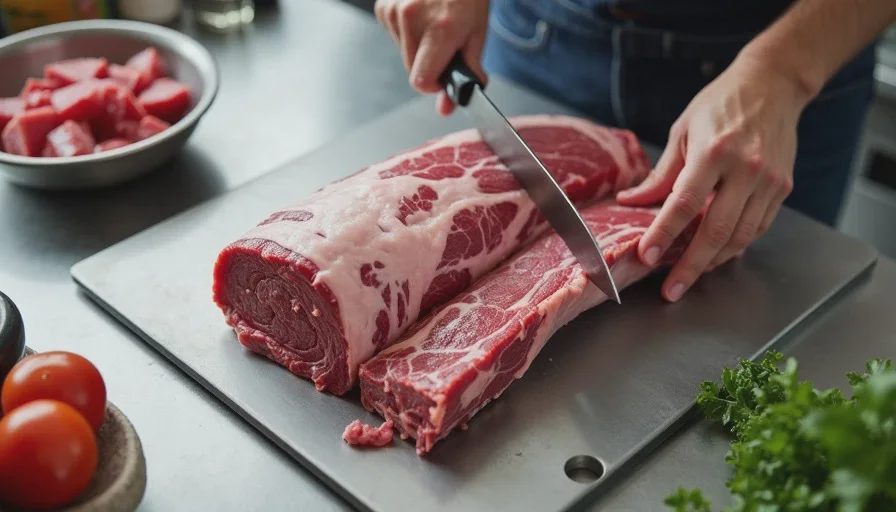
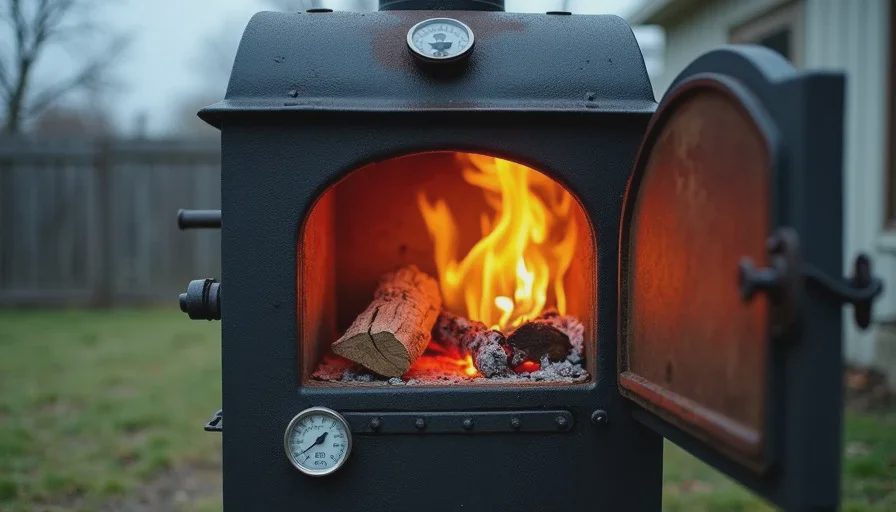
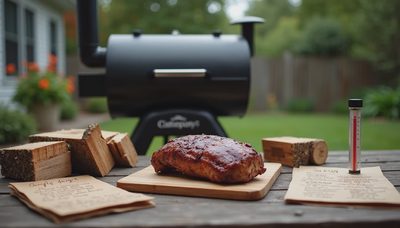
The cook that won the ribbon was a fourteen-hour haul on Old Hoss, and the reason it worked is that I stopped improvising and started following a timeline. I lit the firebox at 4:30 AM, had the smoker stabilized at 250°F by 5:15, and had the brisket on the grate by 5:30. The temperature never swung more than fifteen degrees in either direction, and that consistency is what made the difference. My previous cooks had temperature spikes up to 290°F and drops down to 220°F, and those swings are what dry out the flat.
Temperature and Timeline
Here's the timeline for the brisket that won. Your times will vary — every brisket is a different animal — but the temperatures are the part that matters.
Time | Internal Temp | What I Was Doing |
|---|---|---|
4:30 AM | — | Lit the firebox, opened the damper |
5:15 AM | — | Smoker stabilized at 250°F, put brisket on fat-side up |
8:00 AM | 165°F | Entered the stall — this is where I used to panic |
8:30 AM | 168°F | Wrapped in butcher paper, added a probe for the flat |
11:45 AM | 203°F | Pulled off the smoker, wrapped in a towel |
11:50 AM | — | Into a cooler to rest |
1:00 PM | — | Sliced and served to the judges |
The stall is where I lost every previous brisket. The internal temperature climbs to around 165°F and then just sits there for what feels like an eternity while the moisture evaporates and cools the meat. My instinct was to crank the heat, which is exactly wrong. You either wait it out or you wrap, and wrapping in butcher paper at 165°F was the move that saved me. The probe thermometer told me when I hit the stall, and I trusted it instead of fighting it.
What Beginners Get Wrong About Texas Brisket
Most home cooks I talk to are making the same three or four mistakes I made, and the fixes aren't complicated. Here's what I see at the farmers' market and at backyard cooks around Lockhart:
Pulling at the wrong temperature. 190°F is not done. Brisket needs to hit around 203°F for the collagen to break down. If you pull early, you get tough meat. If you pull late, you get dry meat. The window is narrow, and a probe thermometer is the only way to find it.
Trimming all the fat. I get it — a giant fat cap looks like something you should cut off. But that fat renders down and keeps the meat moist. Leave a quarter inch.
Skipping the rest. Slicing into a brisket right off the smoker is the fastest way to lose every drop of juice. Rest it for at least an hour in a cooler wrapped in a towel. Two hours is better.
Chasing temperature with the firebox. If the smoker drops ten degrees, don't throw three logs on. Adjust the damper and wait. Patience is a temperature control.
Competition vs. Saturday Afternoon
Competition brisket and Saturday afternoon brisket are two different animals, and you don't need to cook like you're at a cook-off every weekend. At a competition, you're cooking for judges who are looking at appearance, tenderness, and taste in that order. At home, you're cooking for your family, and they care about one thing: does it taste good and is there enough for seconds. The competition taught me discipline — stick to temperatures, trust the timeline, don't panic during the stall. But I don't wrap my Saturday brisket in butcher paper with the same anxiety I did at the cook-off. Sam doesn't care about bark formation. He cares about whether there's sauce.
That said, the competition habits made my home cooks better. I use the same probe thermometer, the same resting method, the same trim approach. The difference is that on a Saturday, if the temperature drifts to 260°F because I was watching the Longhorns game, I don't lose my mind. I adjust and keep going. At a competition, every degree matters. At home, the brisket forgives you as long as you got the big things right — the wrap, the rest, and the pull temperature.
Good smoke. Good sweets. Good people.
No notes yet — write the first one.